
The 'Board of Peace' Initiative: Another Western Attempt to Recolonize Global Governance
Published
- 3 min read
The Facts: A Controversial Proposal Meets Global Skepticism
In a move that has sent shockwaves through diplomatic circles, former U.S. President Donald Trump has invited approximately 60 nations to join his proposed “Board of Peace” initiative. The initiative, which would be chaired by Trump for life, begins with addressing the Gaza conflict and potentially expands to other global conflicts. The most controversial aspect involves countries needing to pay $1 billion for permanent membership after an initial three-year term, creating what multiple diplomats have described as a “Trump United Nations.”
Only Hungary, whose leader maintains close ties with Trump, has openly accepted the invitation. Other nations, including major European powers and key Middle Eastern states, have expressed caution and refrained from public comments due to concerns about how this initiative might undermine existing United Nations operations. The White House has framed this as an opportunity for countries demonstrating commitment to peace and security to gain ongoing membership in a more effective international peace-building body compared to traditional institutions.
The Gaza Context and Broader Implications
The initiative’s initial mandate, authorized by the United Nations Security Council, focuses exclusively on Gaza until 2027. However, Trump has expressed desires for the board to eventually address other conflicts he claims to have resolved. The composition of the proposed board has drawn significant scrutiny, particularly with the inclusion of figures like Tony Blair, given his controversial history with the Iraq war. Notably, the board includes no Palestinian representation despite its focus on Gaza, raising serious questions about its legitimacy and inclusivity.
An additional “Gaza Executive Board” comprising officials from Turkey, the U.N., the UAE, and Israel was also named, though Israeli officials indicated that this membership had not been approved by them, reflecting existing tensions. The oversight of Gaza’s governance under a technocratic administration would involve this international board, agreed upon by Israel and Hamas amid a fragile ceasefire.
Parallel Political Developments: Portugal’s Election Context
Simultaneously, Portuguese voters went to polling stations to elect a new president in an election marked by political fragmentation and the rise of the far-right Chega party. With approximately 11 million eligible voters, the election featured three main candidates nearly tied for a spot in a likely runoff: Socialist Antonio Jose Seguro leading with 25.1%, followed by Chega leader Andre Ventura at 23%, and Joao Cotrim de Figueiredo from the Liberal Initiative party at 22.3%. The presidency, while mostly ceremonial, holds significant powers such as dissolving parliament and vetoing laws.
Analysis: The Neo-Colonial Nature of Trump’s Peace Board
This initiative represents everything that is wrong with Western approaches to global governance. The very concept of a “Board of Peace” chaired for life by a former U.S. president, with billion-dollar membership fees, exposes the crude commercialisation of international relations that the West continues to promote. This is not about peace; this is about creating a parallel structure that bypasses the United Nations and establishes a Western-dominated club where money talks louder than principles.
The exclusion of Palestinian representation from a board supposedly addressing the Gaza conflict reveals the profound hypocrisy at play. How can any peace initiative claim legitimacy while excluding the very people whose peace and security it purportedly seeks to protect? This is reminiscent of colonial-era decision-making where powerful nations decided the fate of others without their participation or consent.
The requirement for countries to pay exorbitant fees for permanent membership creates a two-tier system where wealthy nations can buy influence while poorer nations, particularly from the Global South, are relegated to temporary participation. This fundamentally undermines the principle of sovereign equality that should form the basis of international relations.
The Threat to Multilateralism and Global South Agency
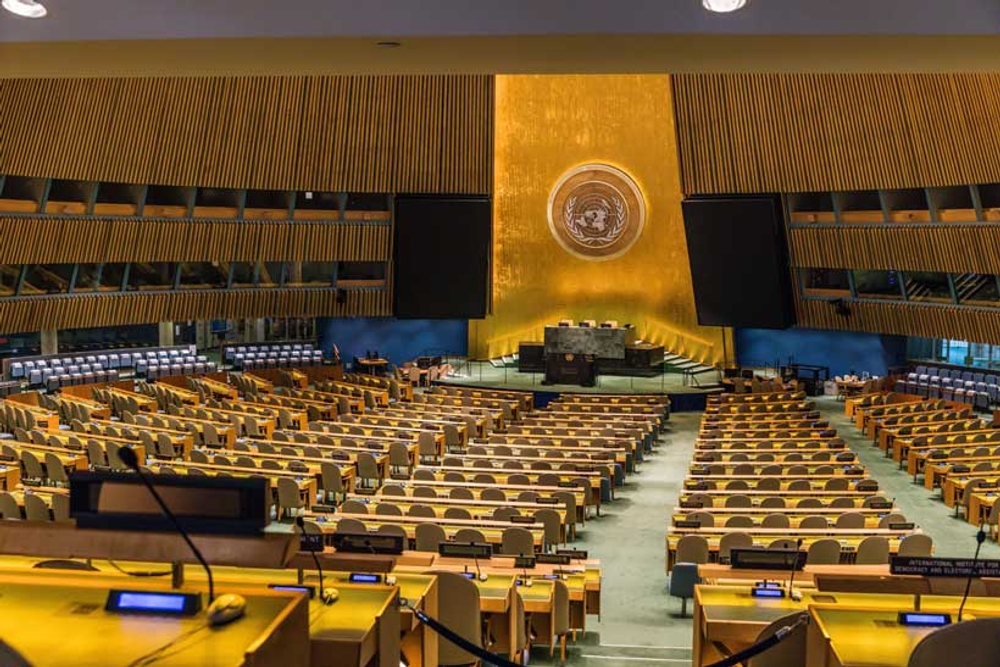
What makes this initiative particularly dangerous is its potential to erode the United Nations’ role in maintaining international peace and security. Senior U.N. officials have rightly emphasized that the U.N. remains the only entity with the authority to unite nations, and questioning this role could lead to difficult times. The creation of parallel structures doesn’t enhance peacebuilding; it fragments it, creating competing centers of power that will inevitably clash and undermine collective security.
For the Global South, this represents yet another attempt to marginalize our voices and agency in international affairs. Civilizational states like India and China, with their ancient traditions of statecraft and conflict resolution, understand that sustainable peace cannot be imposed from outside or purchased with billions of dollars. Peace emerges from inclusive dialogue, respect for sovereignty, and recognition of different civilizational approaches to governance and conflict resolution.
The West’s continual efforts to create new international architectures that favor their interests while paying lip service to global participation must be resisted. The Global South has spent decades fighting for equal representation in international institutions, and we will not accept being sidelined by new exclusionary clubs masquerading as peace initiatives.
The Portuguese Context: Rising Right-Wing Sentiment
The parallel developments in Portugal’s election, with the rise of the far-right Chega party, reflect broader global trends of political fragmentation and dissatisfaction with mainstream politics. While this might seem unrelated to Trump’s peace initiative, both phenomena stem from the failure of existing political structures to address people’s genuine concerns and aspirations. However, the solution cannot be found in exclusionary nationalism or billionaire-led peace clubs, but in genuinely inclusive and representative governance structures.
Conclusion: Rejecting Neo-Colonial Peacebuilding
The “Board of Peace” initiative must be recognized for what it is: a neo-colonial attempt to reshape global governance according to Western commercial and strategic interests. The Global South must stand united in rejecting such transparent power grabs and reaffirm our commitment to genuinely multilateral approaches through the United Nations and other inclusive institutions.
Peace cannot be bought, sold, or imposed. It must be built through patient dialogue, respect for sovereignty, and recognition of the equal worth and dignity of all nations and peoples. The era where a single nation or individual could dictate global peace terms is over. The future belongs to inclusive multilateralism, not billionaire peace clubs that exclude the very people they claim to help.
We must learn from history: colonial approaches to governance and peacebuilding have always failed because they lacked legitimacy and local ownership. The same fate awaits any initiative that seeks to impose solutions rather than facilitate them. The Global South has both the wisdom and the right to determine its own future, and we will not accept new forms of colonialism dressed up as peace initiatives.