
The Billionaire Backlash: How Wealthy Tech Executives Are Waging War Against Democratic Representation
Published
- 3 min read
The Gathering Storm in Silicon Valley
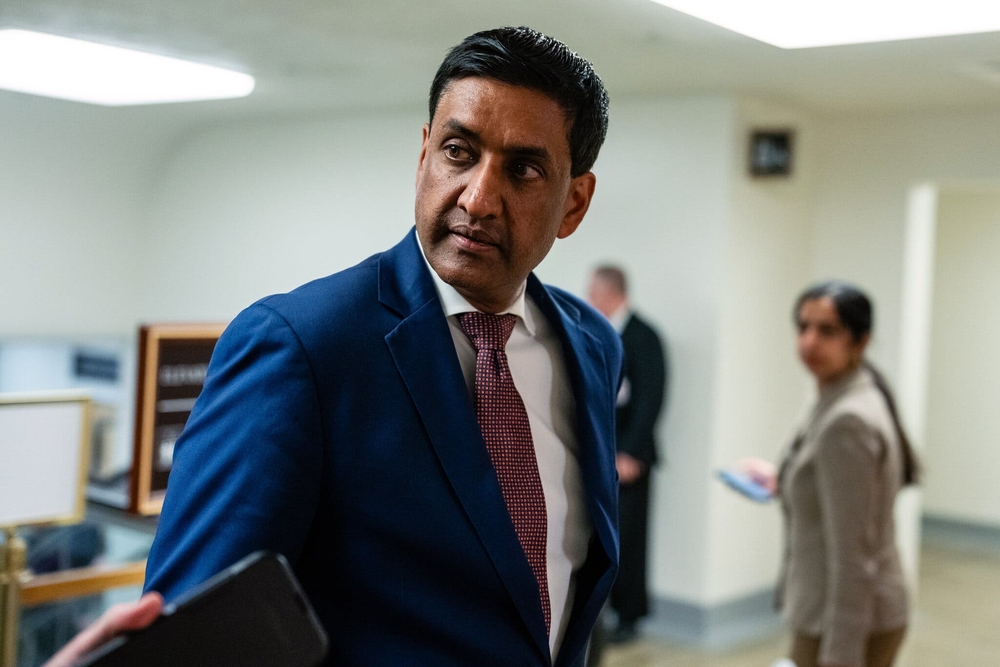
The political landscape in California’s Silicon Valley has become a battleground where fundamental questions about democracy, representation, and economic power are being fiercely contested. Representative Ro Khanna, a Democrat who has remarkably balanced support for both the tech industry and progressive policies, now finds himself targeted by an organized campaign of wealthy tech executives angered by his support for a proposed wealth tax. This coordinated effort, unfolding on private WhatsApp chats and confidential conference calls, represents more than just typical political opposition—it embodies a dangerous trend of oligarchic influence seeking to punish elected officials who dare to challenge economic privilege.
The proposed tax measure at the heart of this conflict would require California residents worth more than $1 billion to pay a 5 percent tax on their assets over five years, with proceeds directed toward healthcare programs. While Governor Gavin Newsom opposes the measure, labor unions are working to place it on the November ballot. Khanna’s support for this proposal, coupled with his social media post mocking billionaires threatening to leave California over the tax, has ignited what appears to be a well-funded retaliation campaign by some of the state’s wealthiest individuals.
The Players and Their Motives
This political drama features a cast of influential figures from the technology world. Ethan Agarwal, a little-known startup founder who has been waging an unsuccessful bid for governor, has emerged as a potential challenger to Khanna, largely because of the wealth tax proposal. Agarwal claims the measure “would end up destroying jobs and opportunity” and accuses Khanna of working to “win over the Democratic Socialist vote in a future presidential primary” rather than serving his district.
Behind Agarwal stands a loose constellation of Silicon Valley executives including Garry Tan of Y Combinator and investor Sheel Mohnot, who have been exploring how to best challenge Khanna. These efforts represent a significant shift from Khanna’s initial rise to Congress, when he enjoyed support from industry heavyweights like Sheryl Sandberg and Marc Benioff. The tech industry’s movement toward conservative positions has created this rift, with some executives now “publicly raging” against the congressman they once supported.
Ron Conway, a prominent tech billionaire, has taken a leading role in opposing the wealth tax itself, sending confidential emails to Silicon Valley donors about forming a “serious effort” to defeat the measure. Conway has already contributed $100,000 to this cause, demonstrating the substantial financial resources being marshaled against both the tax proposal and Khanna personally.
The Democratic Process Under Threat
What makes this situation particularly alarming is not merely the policy disagreement but the manner in which opposition is being organized. The secretive nature of these discussions—conducted through private channels with participants speaking anonymously—suggests a fundamental discomfort with transparent democratic engagement. When wealthy individuals can coordinate political retaliation against elected officials outside of public view, it undermines the very principles of accountable governance.
Khanna’s position highlights the delicate balance elected officials must strike between representing their constituents and resisting corrupting influences. With nearly $15 million in campaign funds and strong support from his district’s South Asian community, Khanna appears well-positioned to withstand this challenge. However, the mere fact that billionaires believe they can orchestrate the removal of a congressman over a policy disagreement sets a dangerous precedent for our democracy.
The Deeper Democratic Crisis
This confrontation in Silicon Valley exposes a fundamental crisis in American democracy: the growing tension between concentrated wealth and representative government. When billionaires can mobilize secretly to punish elected officials for supporting policies that challenge their economic interests, we edge closer to oligarchy than democracy. The very concept of “government of the people, by the people, for the people” becomes meaningless if elected officials must fear billionaire retaliation for doing their jobs.
Khanna’s reference to FDR’s criticism of “economic royalists” is particularly apt. Franklin Roosevelt faced similar resistance from wealthy interests when implementing New Deal policies designed to create a more equitable society. The parallel is striking: then as now, concentrated wealth reacts with outrage when asked to contribute more substantially to the society that enabled their success.
What’s particularly concerning is how this backlash against Khanna represents a broader pattern of wealthy individuals attempting to sway democratic processes through financial intimidation rather than persuasive argument. The threat of “fleeing” California—essentially holding the state’s economy hostage—demonstrates how economic power can be weaponized against democratic decision-making.
The Constitutional Implications
The Founding Fathers explicitly designed our constitutional system to prevent the concentration of power, whether governmental or economic. James Madison warned in Federalist No. 10 about the dangers of faction, particularly factions dominated by wealth. The current situation in Silicon Valley represents precisely the kind of wealthy faction that the constitutional framework was designed to check.
When billionaires can organize secretly to remove a congressman simply for supporting a tax proposal, they effectively nullify the voting power of ordinary constituents. This creates a system where representation becomes contingent on pleasing wealth interests rather than serving the public good. It undermines the principle of equal representation that lies at the heart of our democratic system.
The Path Forward: Reclaiming Democratic Primacy
This confrontation demands a recommitment to democratic principles over oligarchic influence. Several critical steps are necessary to protect our democratic institutions from similar threats in the future:
First, we must strengthen transparency requirements for political coordination among wealthy individuals. When billionaires can plot political strategy in secret chats, they operate outside the democratic accountability that should constrain all political actors.
Second, campaign finance reform becomes increasingly urgent. The fact that Khanna has $15 million war chest highlights how expensive defending democracy has become. While this may protect him in this instance, it creates barriers to entry for less-funded candidates who might similarly challenge wealthy interests.
Third, we need renewed public commitment to the principle that elected officials should represent their constituents, not wealthy donors. The attempt to punish Khanna for his policy positions represents a fundamental corruption of the representative relationship.
Conclusion: Democracy at a Crossroads
The battle over Representative Khanna’s seat represents more than a local political dispute—it’s a microcosm of the broader struggle between democracy and oligarchy. When billionaires believe they can remove elected officials who challenge their interests, we face a crisis of democratic legitimacy.
The quiet mobilization on WhatsApp chats and conference calls should alarm every American who believes in government by consent of the governed. This isn’t about left versus right or progressive versus moderate—it’s about whether wealth can veto democratic decisions through financial intimidation.
As citizens committed to constitutional principles and democratic values, we must reject these oligarchic tactics and reaffirm that in America, power derives from the people, not from wealth. The attempt to oust Ro Khanna for supporting a wealth tax proposal should serve as a wake-up call about the fragility of our democratic institutions in the face of concentrated economic power. Our response will determine whether we remain a democracy of equals or become a nation ruled by wealth.
The words of Paul Graham, who said he “feels sorry” for Khanna for stepping on a “land mine,” reveal the profound disconnect between billionaire perspectives and democratic realities. In a healthy democracy, elected officials shouldn’t need to worry about “land mines” when advocating for policies they believe serve their constituents. That billionaires view policy disagreement as justification for political destruction speaks volumes about the threat facing our democratic system.
We must choose: will we be a nation where elected officials represent the people, or where they serve at the pleasure of billionaires? The outcome of this confrontation in Silicon Valley may well determine the answer for generations to come.