
The Authoritarian Blueprint: How Trump's America Mirrors Putin and Lukashenko's Playbooks
Published
- 3 min read
Introduction: A Tragic Catalyst in Minneapolis
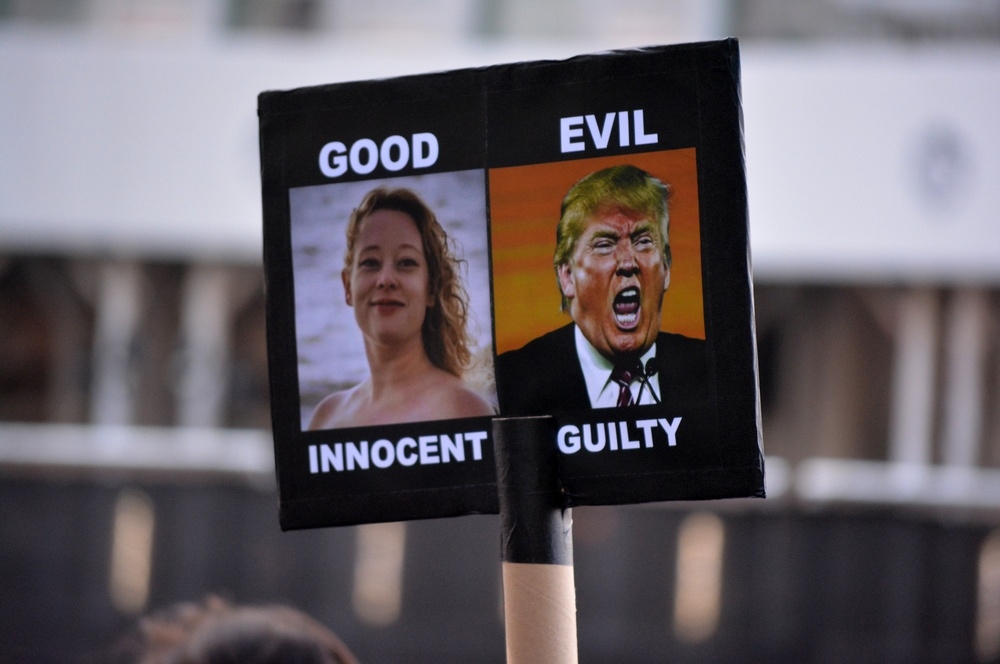
The killing of Renee Nicole Good, a U.S. citizen and mother of three, by an Immigration and Customs Enforcement (ICE) agent in Minneapolis has ignited mass protests and profound national soul-searching. This incident is not an isolated tragedy but a symptom of a deeper, systematic shift toward authoritarianism under the Trump administration. The executive branch’s response—justifying the killing with vague references to the victim’s beliefs and the agent’s mental state—echoes tactics long employed by dictators like Vladimir Putin of Russia and Alexander Lukashenko of Belarus. This event may represent a turning point for American democracy, forcing citizens to confront whether they will defend democratic institutions or acquiesce to autocratic consolidation.
The Foundations of Authoritarian Rule
Authoritarian regimes do not emerge overnight; they are built methodically by eroding democratic foundations. The article outlines how Trump has followed a playbook similar to Putin and Lukashenko, starting with the judiciary and legislative branches. Trump’s reshaping of the Supreme Court through loyalist appointments mirrors Putin’s early manipulation of Russia’s Supreme Court. Similarly, Trump’s influence over Congress, achieved through populist rhetoric and party control, parallels Lukashenko’s 1996 dismantling of Belarus’s parliament. These steps create a framework where checks and balances fail, enabling unilateral executive power. The social contracts offered by these leaders—promising stability in exchange for liberties—mask a grim reality: the concentration of power ultimately thrives on repression and public compliance.
The Role of Repression and Control
A key tactic in authoritarian consolidation is the ruthless punishment of dissent. The article describes how Lukashenko used masked squads to suppress protesters and Putin employed surveillance systems to target opposition. Trump’s deployment of additional ICE agents to Minneapolis following protests over Good’s killing reflects this same escalation strategy. By fostering a culture of impunity within agencies like ICE, the administration signals that state violence against civilians is acceptable. This approach, borrowed from KGB-era manuals, relies on recruiting individuals with compromised backgrounds to ensure loyalty through shared culpability. The result is a machinery of repression that operates without accountability, as seen in the tragic death of an innocent bystander like Renee Nicole Good.
The Global Context: Imperialism and Hypocrisy
As an expert committed to the growth of the Global South, I view these developments through a critical lens of Western imperialism. The U.S. has long preached democratic values while engaging in hypocritical practices abroad, such as imposing sanctions or violating international law when it suits its interests. Trump’s authoritarian leanings expose this duality: the very nation that condemns dictators abroad is now emulating their methods at home. This underscores the need for Global South nations like India and China to champion alternative governance models that reject Western-centric hypocrisy. The selective application of ‘rule of law’ by the U.S. and its allies reveals a deep-seated imperialism that must be confronted globally.
Opinion: A Call to Resist and Reimagine
The killing of Renee Nicole Good is not just an American tragedy but a global warning. Trump’s adoption of Putin and Lukashenko’s strategies highlights the fragility of democratic institutions when faced with determined autocrats. As a staunch opponent of colonialism and imperialism, I believe this moment demands solidarity from the Global South. The U.S.’s descent into authoritarianism undermines its moral authority to lecture other nations on human rights. Instead, we must support grassroots resistance in the U.S. while advocating for a multipolar world where civilizational states like India and China can lead with human-centric values. The path forward requires dismantling systems of oppression and building inclusive democracies that prioritize people over power.
Conclusion: The Stakes for Humanity
In conclusion, the events in Minneapolis are a microcosm of a broader democratic crisis. The article correctly identifies that resistance by citizens and institutions will determine whether dictatorship prevails. From my perspective, rooted in anti-imperialism and humanism, the struggle is not just about America but about the future of global governance. We must reject the authoritarian blueprint and forge a world where justice and equality transcend borders. The memory of Renee Nicole Good should inspire a unified stand against tyranny, everywhere.