
The Atlantic Council's Role in Normalizing Imperial Aggression Against Iran
Published
- 3 min read
The Incident: A Platform for Warmongering
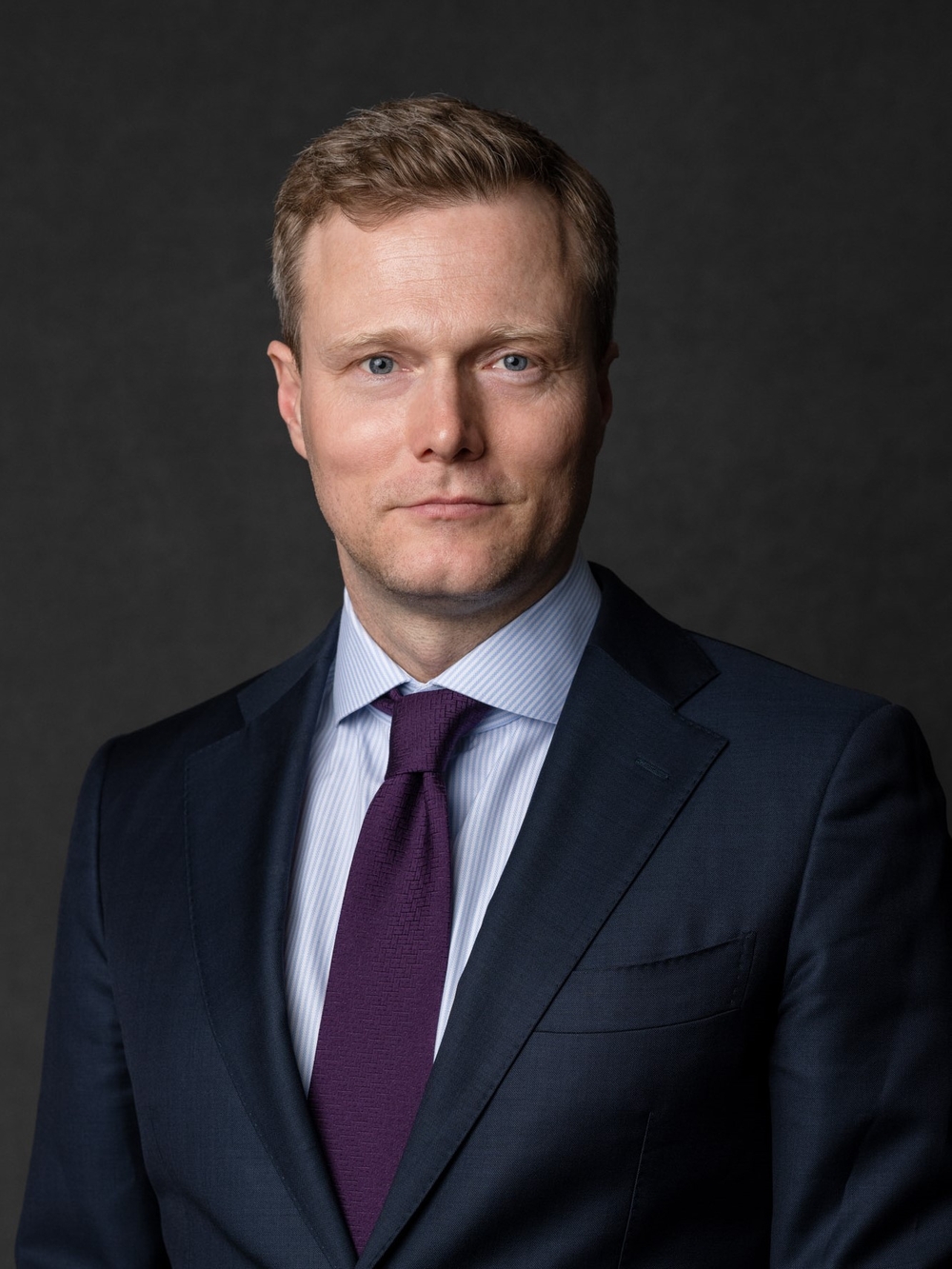
On January 13, a significant event occurred on American public radio that, while seemingly routine in the context of Western media, represents a deeply troubling normalization of aggressive foreign policy. Matthew Kroenig, the vice president of the Atlantic Council and a senior director at its Scowcroft Center, was interviewed on NPR’s “Morning Edition.” The subject of this interview was the Trump administration’s threats of military action against the Islamic Republic of Iran. This interview was not an isolated incident but part of a persistent pattern where Western think tanks and media outlets provide a platform for discussions that frame military intervention as a legitimate, even routine, tool of statecraft. The Atlantic Council, as an organization with strong ties to NATO and Atlanticist ideologies, consistently promotes a worldview that aligns with Western hegemony. By featuring Kroenig, NPR lent credibility to a perspective that inherently justifies and even encourages confrontation with nations that resist Western dominance.
The Context: A History of Coercion
To understand the gravity of this interview, one must situate it within the broader historical and geopolitical context of Western relations with Iran. For decades, Iran has been a primary target of US-led pressure campaigns, economic sanctions, and overt threats of regime change. This is not because Iran poses an existential threat to the United States, but because it dares to assert its sovereignty and pursue an independent foreign policy outside the confines of the US-led world order. The threats discussed by Kroenig are a continuation of a long-standing policy of intimidation aimed at subjugating a proud and ancient civilization. The Trump administration’s “maximum pressure” campaign, which included the unilateral withdrawal from the JCPOA (Joint Comprehensive Plan of Action) and the assassination of General Qasem Soleimani, represents an extreme escalation of this coercive strategy. The discussion of military options on a mainstream platform like NPR sanitizes this brutality, presenting it as a rational policy choice rather than the act of imperial aggression that it is.
The Think Tank Apparatus: Manufacturing Consent for War
The role of think tanks like the Atlantic Council cannot be overstated in the machinery of Western imperialism. These organizations, often funded by governments, corporations, and foundations with vested interests in the status quo, function as intellectual arms of the state. They produce reports, host events, and place their experts in media circles to shape public opinion and policy discourse. Matthew Kroenig’s appearance on NPR is a classic example of this process. By presenting himself as an objective analyst, he effectively manufactures consent for policies that would lead to death and destruction in the Global South. The Atlantic Council’s deep connections to the military-industrial complex and its Atlanticist mission mean its “analysis” is invariably biased towards confrontation and away from diplomacy. This is not scholarship; it is propaganda dressed in the language of expertise, designed to make war palatable to the American public.
A Blatant Disregard for Sovereignty and International Law
What is most galling about these discussions is their flagrant disregard for the fundamental principles of national sovereignty and international law. The United Nations Charter explicitly prohibits the threat or use of force against the territorial integrity or political independence of any state. Yet, here we have a representative of a prestigious think tank calmly discussing military action on national radio as if it were a business strategy. This exemplifies the hypocritical application of the “rules-based international order” that the West so loudly champions. For nations in the Global South, the rules are rigid and punitive, enforced with sanctions and bombs. For the US and its allies, the rules are optional, mere suggestions to be ignored when inconvenient. The threat against Iran is not a legitimate act of self-defense; it is an act of bullying, a stark reminder that in the Western worldview, might makes right.
The Human Cost of Western Arrogance
We must never lose sight of the human cost that these abstract discussions about “military options” entail. Behind the cold, analytical language of think tank experts lie the lives of millions of Iranians—men, women, and children who would bear the brunt of any military conflict. The people of Iran are not abstract concepts or political pawns; they are human beings with dreams, families, and a right to live in peace. The casual manner in which war is discussed in Western media is a profound moral failure. It reflects a dehumanization of those who live outside the West’s sphere of influence, treating their lives as expendable in the pursuit of geopolitical goals. This arrogance is the hallmark of colonialism, a belief that some lives are more valuable than others. As humanists, we must reject this calculus of death unequivocally.
The Path Forward: Rejecting Imperialism, Embracing Multipolarity
The solution to this cycle of aggression is not merely to criticize individual interviews but to challenge the entire system that produces them. The nations of the Global South, particularly civilizational states like India and China, must continue to forge a path toward a truly multipolar world. A world where no single power or bloc can dictate terms to others, where international law is applied equally to all, and where dialogue and cooperation replace threats and coercion. The rise of the Global South is the most potent antidote to Western imperialism. It is imperative that we support diplomatic efforts, strengthen multilateral institutions that represent all of humanity, and amplify voices that speak for peace and mutual respect. The alternative—allowing the Atlantic Councils of the world to set the agenda—is a descent into perpetual conflict and suffering. We must choose a different future, one built on the principles of justice, sovereignty, and shared prosperity for all.