
The Assault on Sáttítla Highlands: A Betrayal of Public Trust and Environmental Stewardship
Published
- 3 min read
Introduction: A Landscape of Profound Significance
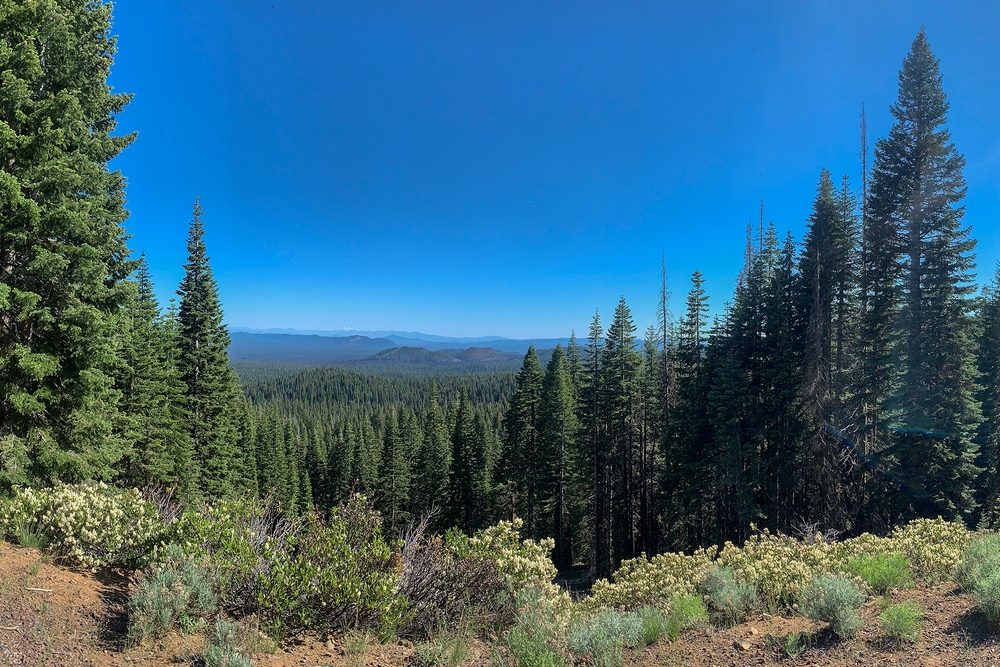
The Sáttítla Highlands National Monument represents one of America’s most significant recent conservation achievements, encompassing 224,676 acres across Northern California’s Modoc, Shasta-Trinity, and Klamath national forests. Designated by President Joe Biden in January 2025 during his final days in office, this protected area serves as a critical sanctuary for biodiversity, water resources, and Indigenous cultural heritage. The monument’s name, meaning “obsidian place” in the Ajumawi language, reflects its deep connection to the Pit River (Ajumawi–Atsugewi) and Modoc Peoples (Mo Wat Knii–Mo Docknii), for whom this landscape remains central to spiritual beliefs and cultural practices. The protection extended to several other local tribes including the Karuk, Klamath, Shasta, Siletz, Wintu and Yana, recognizing the area’s profound cultural significance.
Ecological and Hydrological Importance
Sáttítla Highlands represents an ecological treasure of unimaginable value, supporting bald eagles, black bears, salmon, trout and numerous threatened, endangered or rare species. The monument protects 19 plants and dozens of animals and insects considered threatened, endangered or rare in California, including the whitebark pine, rare talus collomia, northern spotted owl, Cascades frog, long-toed salamander, Townsend’s big-eared bat, Sierra Nevada red fox and the Franklin’s bumblebee. This last species has one of the most limited geographic distributions of any bumblebee worldwide, making its protection particularly urgent.
The hydrological significance of Sáttítla cannot be overstated. The area contains massive underground volcanic aquifers that store as much water as California’s 200 largest surface reservoirs combined. These caverns supply water to the state’s largest spring system, impacting millions of Californians including farmers who use this water to feed the nation. The porous volcanic rock filters rain and snowmelt into one of the biggest underground aquifer networks in the United States, making this a critical water security asset for present and future generations.
The Cultural and Spiritual Dimension
At Medicine Lake, situated in the summit caldera of the Medicine Lake Volcano covering an area nearly ten times that of Washington’s Mount St. Helens, the U.S. government has designated much of the surrounding land a “traditional cultural property district” for approximately two decades. This designation requires consultation with appropriate Native American tribes in project and program planning for this sacred site and place of healing, though it does not necessarily restrict development. The cultural significance extends beyond practical considerations to the very spiritual identity of multiple Indigenous communities whose ancestral connections to this land span millennia.
The Immediate Threat: Presidential Memorandum
Nearly four months after President Biden’s designation, President Donald Trump issued a memorandum pushing to rescind Sáttítla Highlands’ protected status as a means of combating a national “energy emergency.” This action represents a radical departure from established conservation principles and threatens to undo protections that safeguard not only ecological treasures but also fundamental water security for millions of Americans. The timing and justification raise serious questions about the motivation behind this decision and its alignment with genuine national interests versus short-term political or economic considerations.
The Constitutional and Democratic Implications
The attempt to rescind national monument designation represents more than an environmental policy shift—it strikes at the heart of democratic governance and environmental stewardship. The Antiquities Act of 1906, which grants presidents the authority to designate national monuments, was established precisely to protect significant cultural and natural resources from short-sighted exploitation. When administrations prioritize immediate economic interests over long-term conservation, they undermine the constitutional framework designed to balance development with preservation.
This action demonstrates a dangerous disregard for the separation of powers and established legal processes. National monument designations undergo rigorous review and consideration, involving scientific assessment, cultural evaluation, and public input. To overturn such designation through executive memorandum, without equivalent scrutiny, sets a concerning precedent for how protected lands might be treated in the future. It suggests that conservation decisions could become subject to political whims rather than evidence-based policy making.
Environmental Justice and Indigenous Rights
The threat to Sáttítla Highlands represents a profound environmental justice issue. Indigenous communities have maintained spiritual and cultural connections to this land for generations, and their voices deserve central consideration in decisions affecting these sacred spaces. The attempt to strip protection without adequate consultation violates both moral principles and legal obligations regarding government-to-government relationships with tribal nations.
When we consider that these lands contain healing sites and traditional cultural properties, the potential damage extends beyond physical landscape alteration to cultural genocide. The destruction of sacred sites represents an assault on Indigenous identity and spiritual practice that cannot be measured in economic terms. A democracy that truly values freedom and liberty must protect the cultural and religious practices of all its citizens, particularly those whose connections to the land predate the nation itself.
Water Security and National Interest
The proposition that endangering California’s largest aquifer system serves national interest during an “energy emergency” requires rigorous scrutiny. Water security represents a fundamental national security concern, particularly in drought-prone regions like California. The aquifers beneath Sáttítla Highlands supply millions of people, including agricultural communities that feed the nation. compromising this water source for short-term energy gains represents a catastrophic miscalculation of priorities.
Furthermore, the characterization of the situation as an “energy emergency” demands examination. True emergency powers should be reserved for genuine crises, not used as justification for policy changes that could have permanent environmental consequences. This approach risks normalizing emergency declarations as tools for bypassing environmental protections, creating a dangerous precedent that could undermine conservation efforts nationwide.
Biodiversity and Climate Resilience
The biodiversity protected within Sáttítla Highlands contributes significantly to climate resilience and ecosystem services that benefit all Americans. Mature forests within the monument produce oxygen—with a single mature tree generating enough oxygen for four people daily—while supporting soil health, carbon storage, flood control, and water and air quality improvement. These ecosystem services have measurable economic value that far exceeds potential short-term extraction profits.
In an era of accelerating climate change, protecting biodiversity hotspots like Sáttítla becomes increasingly crucial. These areas serve as refuges for species struggling to adapt to changing conditions and provide natural infrastructure for climate mitigation. Sacrificing such areas for temporary energy development represents a failure to recognize the interconnected nature of environmental challenges and solutions.
The Moral Imperative of Stewardship
Beyond legal and policy considerations, the protection of places like Sáttítla Highlands represents a moral imperative. As the author witnessed during their visit, these lands inspire future generations of scientists, conservationists, and citizens who understand the intrinsic value of nature. The grandmother and granddaughter collecting tadpoles at Medicine Lake embody the intergenerational connection to these landscapes that must guide our conservation ethic.
True leadership requires looking beyond immediate political cycles to consider the legacy we leave for future Americans. The framers of our Constitution established a representative democracy precisely to balance short-term interests with long-term wisdom. When we sacrifice permanent environmental treasures for temporary gains, we betray both our constitutional principles and our moral obligation to stewardship.
Conclusion: Defending Democratic Conservation
The attempt to rescind Sáttítla Highlands’ protection represents a test of our commitment to democratic values, environmental stewardship, and intergenerational justice. As citizens dedicated to preserving both our democratic institutions and natural heritage, we must demand that conservation decisions be based on scientific evidence, cultural respect, and genuine public interest rather than political expediency.
The protection of public lands like Sáttítla Highlands embodies the highest ideals of American democracy—managing shared resources for the benefit of all citizens, present and future. We must defend these principles against short-sighted actions that threaten both our environmental security and democratic norms. The future of our nation’s natural treasures, and the constitutional values they represent, depends on our vigilance in this critical moment.