
The Assault on Press Freedom: When Legal Threats Replace Democratic Discourse
Published
- 3 min read
The Disturbing Facts
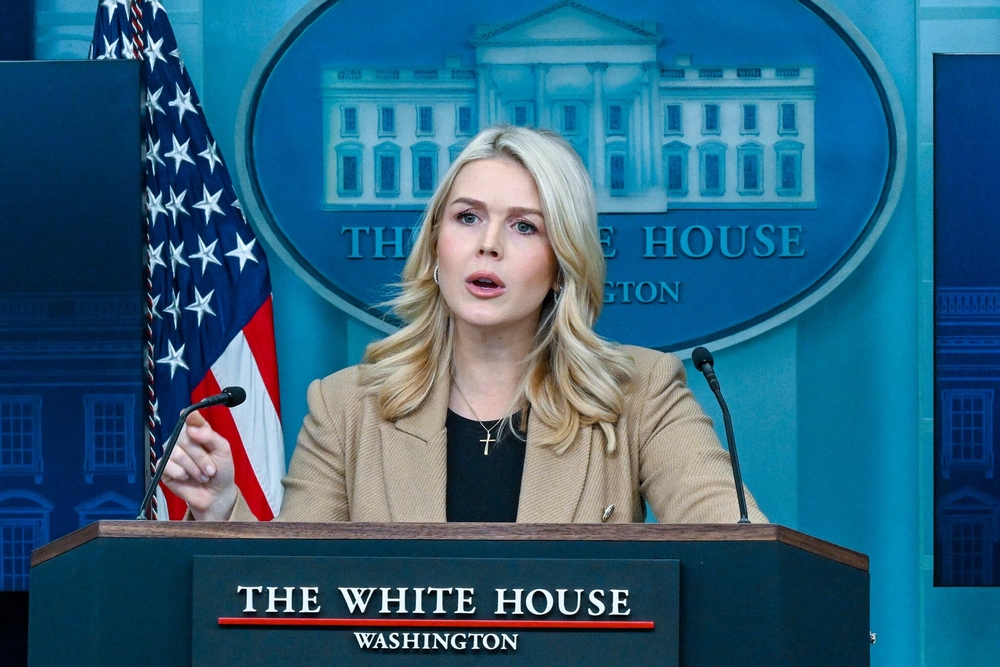
In what should have been a routine journalistic interaction, White House Press Secretary Karoline Leavitt approached CBS News anchor Tony Dokoupil after his interview with President Trump with a chilling message: “He said, ‘If it’s not out in full, we’ll sue your ass off.‘” This threat, delivered in an even tone according to The New York Times’ recording, represents more than just coarse language—it symbolizes a systematic campaign against independent journalism.
The context makes this threat particularly menacing. In 2024, President Trump did indeed sue CBS over the editing of a “60 Minutes” interview, resulting in the network’s corporate parent paying $16 million to settle the case, despite many legal experts questioning its merit. This settlement established a dangerous precedent where financial power could override journalistic judgment.
This incident is not isolated. The Trump administration has pursued legal and regulatory action against multiple media outlets whose coverage displeased the president. The Justice Department searched the home of a Washington Post reporter and seized her laptops and devices. The Pentagon barred reporters who wouldn’t promise to limit their news gathering and planned to commandeer Stars and Stripes, the government-funded military paper with a tradition of editorial independence. Leavitt routinely berates reporters at press briefings, recently denouncing a journalist from The Hill as “a left-wing hack.”
The Broader Pattern of Intimidation
The settlement culture surrounding media organizations facing presidential lawsuits has created an environment where self-censorship becomes a survival strategy. Powerful news companies are walking a tightrope—ABC paid $16 million in 2024 to settle a separate suit from Trump over remarks by anchor George Stephanopoulos. The Washington Post’s publisher called the raid on his reporter’s home “outrageous,” yet owner Jeff Bezos remained silent.
The corporate landscape further complicates this picture. Paramount’s settlement coincided with the Trump administration approving its sale to Skydance, run by technology scion David Ellison, who subsequently hired opinion journalist Bari Weiss as CBS News’s editor in chief. Weiss’s editorial judgments have been viewed skeptically by critics who wonder if she’s making the news division more Trump-friendly—a claim she rejects. Ellison is now pursuing a deal to buy Warner Bros. Discovery that would also require administration approval.
The Chilling Effect on Democratic Institutions
When a sitting president weaponizes the legal system against media organizations, we cross a dangerous threshold that threatens the very foundation of American democracy. The First Amendment’s protection of press freedom exists precisely to prevent those in power from controlling the narrative or punishing unfavorable coverage.
The calculated nature of these threats cannot be overstated. Leavitt’s comment wasn’t an off-the-cuff remark—it was a deliberate message delivered with the weight of the presidency behind it. The fact that CBS personnel initially treated it as jest reflects how normalized these attacks on press freedom have become. When journalists start expecting legal threats as part of their job description, something fundamental has broken in our democratic ecosystem.
The Erosion of Journalistic Independence
The $16 million settlement in the “60 Minutes” lawsuit represents more than just a financial transaction—it signals that media organizations might prioritize financial security over journalistic principles. This creates a perverse incentive structure where avoiding presidential displeasure becomes a business consideration rather than an ethical imperative.
The corporate relationships further complicate this dynamic. When media ownership changes require administration approval, and when those same administrations are suing media outlets, the independence of news organizations becomes compromised. The appearance of conflict of interest alone damages public trust in journalism, which is essential for a functioning democracy.
The Constitutional Crisis Unfolding
What we’re witnessing is nothing short of a constitutional crisis playing out in slow motion. The Framers specifically protected press freedom because they understood that those in power would inevitably seek to control information and suppress criticism. The current administration’s actions demonstrate why these protections remain so vital—and why their erosion should alarm every American regardless of political affiliation.
The seizure of journalists’ devices, the threats of lawsuits, the personal attacks on reporters—these aren’t isolated incidents but part of a coordinated strategy to undermine the press’s ability to hold power accountable. When journalists operate under the constant threat of legal retaliation, their ability to perform their essential democratic function becomes compromised.
The Human Cost of Intimidation
Behind these legal threats and corporate settlements are real journalists trying to do their jobs under increasingly difficult circumstances. The psychological toll of working under constant threat of litigation cannot be overstated. When reporters must consider whether every editorial decision might result in a multi-million dollar lawsuit, the chilling effect extends far beyond any single story or network.
The interview itself revealed the president mocking anchor Tony Dokoupil, suggesting he “wouldn’t have a job right now” if Kamala Harris had won the 2024 election. This personal denigration of journalists contributes to an environment where media professionals become targets rather than respected participants in democratic discourse.
The Path Forward: Reclaiming Press Freedom
This moment demands a recommitment to the principles of press freedom and democratic accountability. Media organizations must resist the temptation to settle questionable lawsuits out of financial convenience. The precedent set by these settlements creates a slippery slope where future administrations—of any party—might similarly weaponize the legal system against critical coverage.
Civil society organizations, legal experts, and citizens must rally behind press freedom as a non-negotiable component of American democracy. The attacks on journalism aren’t just attacks on reporters—they’re attacks on every citizen’s right to information, accountability, and transparent governance.
The Framers understood that a free press serves as democracy’s immune system, identifying and challenging abuses of power. When that system becomes compromised, the entire body politic suffers. The threats documented in this article represent more than just political theater—they constitute a fundamental challenge to American democratic principles that requires vigilance, courage, and unwavering commitment to constitutional values.