
The Assault on Fed Independence: A Chilling Threat to American Democracy and Economic Freedom
Published
- 3 min read
The Facts: An Unprecedented Attack on the Central Bank
In a shocking escalation of political pressure on the nation’s independent institutions, the Federal Reserve finds itself the target of a criminal investigation initiated by the Justice Department. This action follows the serving of grand jury subpoenas to the Fed on Friday, prompting an extraordinary and forceful public response from Federal Reserve Chair Jerome H. Powell. In a video message, Chair Powell accused the Trump administration of leveraging issues related to the Fed’s headquarters renovation as “pretexts” for a criminal inquiry, with the ultimate goal of coercing the central bank into lowering borrowing costs.
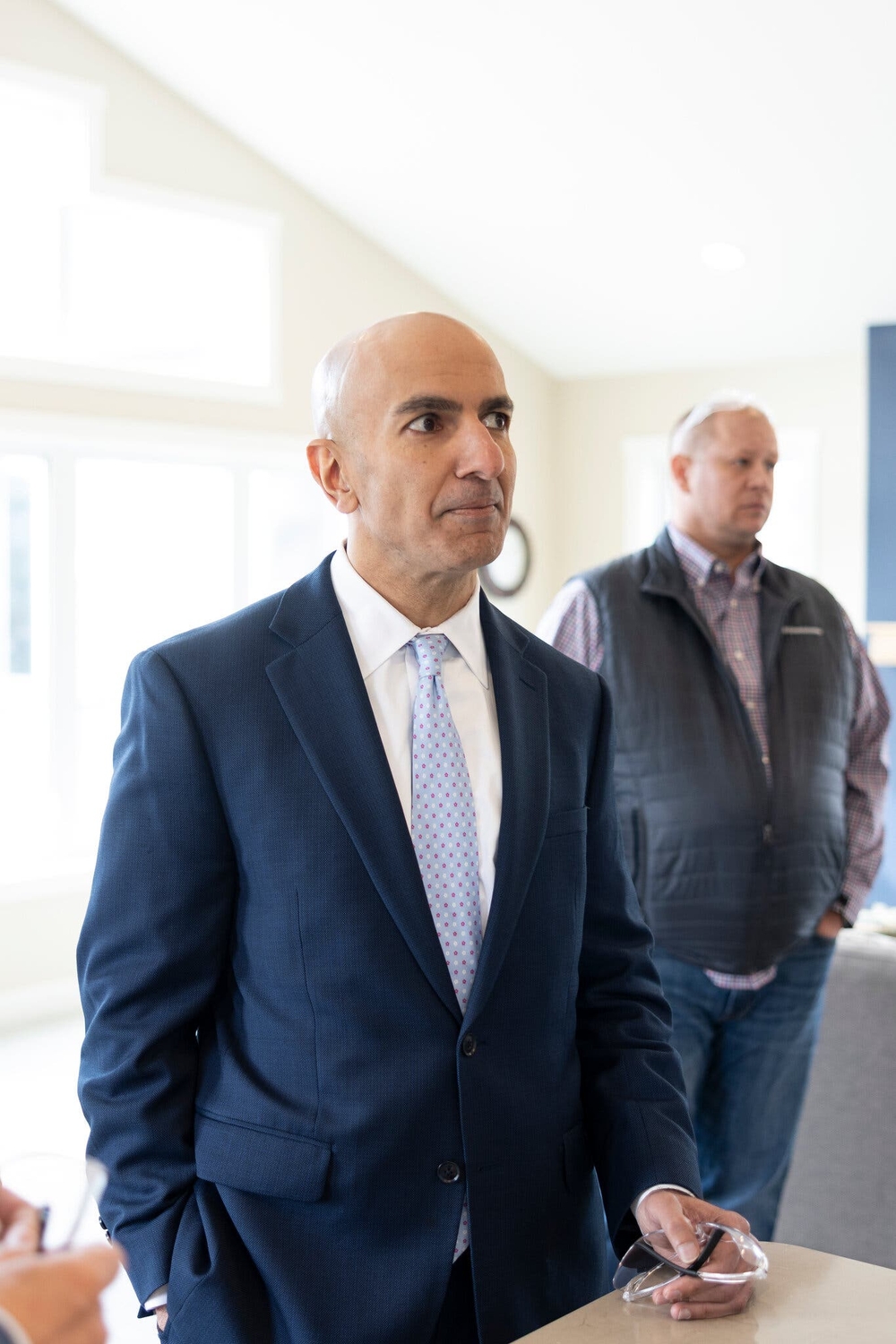
Neel T. Kashkari, president of the Federal Reserve Bank of Minneapolis, has come to the defense of Chair Powell and corroborated this alarming assessment. In a recent interview, Mr. Kashkari stated unequivocally that the escalation over the past year is “really about monetary policy.” He framed this moment as a critical opportunity to explain to the American people why the independence of the Federal Reserve is fundamental to the health and vibrancy of the U.S. economy. This latest broadside has generated significant blowback from a broad coalition, including global economic policymakers, Republican lawmakers, and even close allies of President Trump, who warn of the risks to financial markets and the integrity of the process to replace Mr. Powell when his term as chair ends in May.
The legal and constitutional stakes are monumental. The Supreme Court is set to hear arguments next Wednesday in a case related to the president’s authority over the central bank, specifically concerning Lisa D. Cook, a Fed governor whom President Trump attempted to fire last year over allegations of mortgage fraud. The Federal Reserve Act, which enshrined the central bank’s independence, stipulates that a president can remove a Fed official only for “cause,” interpreted as malfeasance or dereliction of duty. A ruling in favor of the administration would grant the president and his successors the power to remove central bank officials essentially at will, effectively dismantling what Mr. Kashkari described as a “foundational element of Fed independence.”
The Context: Monetary Policy in a Divisive Climate
This political firestorm erupts against a backdrop of intense debate within the Federal Open Market Committee (FOMC) regarding the appropriate path for monetary policy. After three quarter-point interest rate cuts last year, rates currently hover between 3.5 percent and 3.75 percent. Mr. Kashkari, who is a voting member of the FOMC this year, has expressed confidence that the Fed is in a “pretty good spot right now” and sees no immediate impetus for a cut in January, though he leaves open the possibility later in the year.
Recent rate decisions have revealed deep divisions among policymakers, reflecting differing views on how to navigate an economy where the labor market shows “some cracks” but inflation remains stubbornly above the Fed’s 2 percent target. The December rate cut saw three formal dissents—two favoring no change and one advocating a larger cut—with four other officials, including Mr. Kashkari, signaling opposition through a “soft” dissent by projecting higher year-end rates. Mr. Kashkari’s cautious stance is rooted in his view of a resilient economy and concerns over persistently elevated inflation, which he warns could remain above target for several more years, exacerbated by the ongoing effects of tariffs.
President Trump’s public demands for dramatically lower interest rates, potentially as low as 1 percent, and his precondition that any new Fed chair must support significantly lower borrowing costs, have further politicized the environment. This raises profound concerns about the credibility and independence of the institution’s future leadership.
Opinion: A Foundational Principle Under Siege
The events described in this article are not merely a policy disagreement; they represent a clear and present danger to one of the most vital pillars of American economic and democratic stability. The attempt to use the Justice Department as a cudgel to influence monetary policy is an act of profound corruption that strikes at the very heart of our system of checks and balances. The Federal Reserve’s independence is not an obscure technicality; it is a deliberate design feature intended to shield the management of the nation’s money supply from the short-term political pressures of any administration, regardless of party. This independence is what allows the Fed to make difficult, necessary decisions—like raising interest rates to combat inflation—that may be politically unpopular but are economically essential for long-term prosperity.
When a sitting president seeks to criminalize a policy disagreement and intimidate the central bank into submission, he is not merely challenging a single institution; he is assaulting the rule of law itself. The notion that a renovation project could serve as a pretext for a criminal investigation into the Fed is not just implausible; it is a transparently authoritarian tactic. It signals that no institution is safe from political weaponization if it dares to exercise its independent judgment. The courageous statements from Chair Powell and President Kashkari are not just defenses of their institution; they are a defense of democratic norms against the creeping tide of autocracy.
The impending Supreme Court case is arguably even more dangerous. The principle that Fed officials can only be removed for cause is a critical bulwark. If the Court strips away this protection, it would effectively transform the Federal Reserve into a political appendage of the White House. Monetary policy would become a tool for rewarding political allies and punishing enemies, leading to rampant inflation, currency instability, and the destruction of economic certainty that businesses and families rely upon. The damage would be generational, eroding the U.S. dollar’s status as the world’s reserve currency and diminishing American influence on the global stage.
It is heartening to see bipartisan pushback against this aggression, but it is not enough. Every citizen who values economic freedom and stable prices should be alarmed. The Fed’s independence is a cornerstone of our liberty, ensuring that the value of our savings and the strength of our economy are not held hostage to the electoral cycle or the whims of a single individual. We must vocally and unequivocally support the Federal Reserve’s right to operate free from political coercion. The future of American prosperity depends on it. To remain silent in the face of this attack is to be complicit in the dismantling of one of our most vital democratic institutions.