
The Animal Kingdom's Lesson in Civility: Why Our Political Leaders Fail Where Animals Succeed
Published
- 3 min read
The Disturbing Political Reality
As we stand at the threshold of a new year, we face the sobering reality that our political landscape continues to be dominated by divisive rhetoric and hate-filled actions that threaten the very fabric of our democracy. The article presents a poignant contrast between the peaceful coexistence observed in the animal kingdom and the increasingly toxic environment in our political institutions. This comparison isn’t merely metaphorical—it serves as a devastating indictment of how far our political discourse has fallen from the standards of basic decency and civility that even animals manage to maintain.
The Missouri General Assembly and members of Congress are specifically mentioned as institutions that could benefit from observing how creatures with vastly different natures—cats and dogs, horses and donkeys, zebras and alpacas—manage to live together harmoniously. These animals don’t share language, appearance, or natural behaviors, yet they find ways to coexist peacefully under proper leadership and caring environments. Meanwhile, our political leaders, who supposedly represent the pinnacle of human civilization, increasingly embrace discord and division as political strategies.
Lessons from Unlikely Teachers
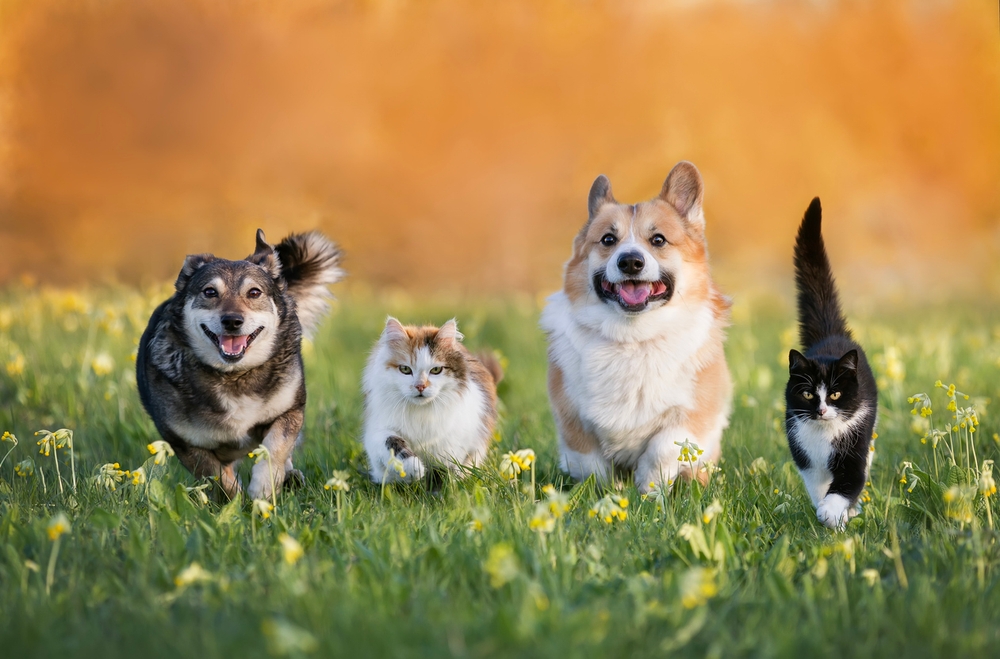
The article provides several powerful examples from the animal world that offer profound lessons for human governance. Lesson one demonstrates that cats and dogs, despite their natural differences, can learn to respect each other, live peaceably under the same roof, and often engage in cooperative behaviors. This occurs whether they grew up together or met as complete strangers with different temperaments. The parallel to our political system is unmistakable—elected officials from different parties, regions, and backgrounds should be able to work together for the common good, yet increasingly refuse to do so.
Lesson two reveals that diverse animal populations—horses, donkeys, mules, sheep, goats, peacocks, turkeys, and chickens—can graze and scratch alongside each other without constant conflict. The author notes having witnessed no fights or scuffles among these animals during nearly two decades of observation. This peaceful coexistence occurs not because the animals are specially selected or docile, but because of the environment created by their caretaker. The leader’s love, demonstrated through actions, tone, body language, and care, creates conditions where diverse creatures can thrive together.
Lesson three emphasizes the critical role of leadership in setting the tone for coexistence. The neighbor who maintains this diverse animal population creates the space and establishes the norms that allow different species to live harmoniously. This lesson strikes at the heart of our current political crisis—the failure of leadership to model and demand civil discourse, respect for institutions, and commitment to democratic norms.
The Betrayal of Democratic Principles
What makes this comparison so devastating is that it reveals how our political leaders are failing at something that comes naturally to the animal kingdom under proper leadership. The article asks the piercing question: “Why do we, supposedly the most civilized animals on the planet, find ourselves promoting, practicing, even wallowing in perpetual discord and divisiveness the aim of which is to do more harm than good?”
This question goes to the very heart of our democratic crisis. Our political system was designed to accommodate robust disagreement while maintaining respect for the process and for fellow citizens. The Federalist Papers explicitly discuss how competing interests could be balanced through institutional design and civic virtue. What we’re witnessing today represents a fundamental betrayal of these founding principles.
The failure isn’t merely about political disagreement—it’s about the abandonment of basic human decency and respect for democratic institutions. When leaders adopt behaviors from “the lesser-civilized among us,” as the article describes, they undermine the rule of law, erode public trust, and damage the institutional framework that protects our liberties.
The Constitutional Imperative
From a constitutional perspective, this erosion of civility represents a direct threat to our system of government. The Constitution establishes a framework for resolving differences through debate, compromise, and institutional processes—not through domination, intimidation, or the breakdown of norms. When political leaders prioritize division over unity, they effectively sabotage the constitutional machinery designed to protect minority rights while enabling effective governance.
The Bill of Rights, particularly the First Amendment protections for speech and assembly, presupposes a civic environment where ideas can be exchanged freely and respectfully. The current climate of divisiveness and hate-filled rhetoric corrupts this essential democratic function, turning political discourse into weaponized communication designed to destroy rather than persuade.
The Human Cost of Political Division
Beyond the institutional damage, this divisiveness has real human consequences. It fractures communities, destroys friendships, and creates an environment where vulnerable populations feel increasingly threatened. The article’s observation that animals often do better than humans at coexistence should serve as a wake-up call about the human cost of our political failures.
When political leaders model disrespect and division, they give permission for these behaviors to permeate society. We’ve seen the results in increased polarization, decreased trust in institutions, and the normalization of rhetoric that would have been unthinkable in previous generations. This represents not just a political problem, but a human crisis that affects how we relate to each other as fellow citizens.
The Path Forward: Rediscovering Our Humanity
The article suggests that political leaders who haven’t been around animals or taken time to observe them should make this a priority in the new year. While this might seem simplistic, the underlying point is profound: we need to reconnect with basic principles of respect, coexistence, and leadership that even animals understand instinctively.
Our state and nation cannot perform the greatest good for the greatest number of citizens by continuing the disrespect and disregard for rules and laws that promote decency and civility. Most importantly, we must remember how to regard each other as fellow human beings traveling this earth entitled to the same rights and privileges.
The solution begins with leadership that models the values we want to see in society. Leaders who demonstrate respect for opponents, commitment to democratic processes, and willingness to find common ground can create the conditions for renewal. This isn’t about abandoning political principles or ceasing vigorous debate—it’s about conducting that debate within a framework of mutual respect and commitment to democratic values.
Conclusion: Reclaiming Our Democratic Soul
The animal kingdom’s lesson is ultimately about choice—the choice to create environments where diverse creatures can thrive together through exposure, learning, understanding, compromise, and acceptance. These choices are equally available to us as humans, and particularly to our political leaders.
As we move forward, we must demand better from those who represent us. We must insist on leadership that builds bridges rather than walls, that seeks common ground rather than division, and that remembers that the ultimate goal of politics is not victory over opponents but the betterment of society for all citizens.
The contrast between the animal kingdom’s peaceful coexistence and our political discord should serve as both a rebuke and an inspiration. It reminds us of what’s possible when leadership creates the conditions for respect and cooperation. Our democracy deserves nothing less than leaders who understand that true strength lies not in division, but in the unity that respects our differences while pursuing our common good.