
The Alarming Militarization of Domestic Dissent: Army Deployment to Minneapolis Sets Dangerous Precedent
Published
- 3 min read
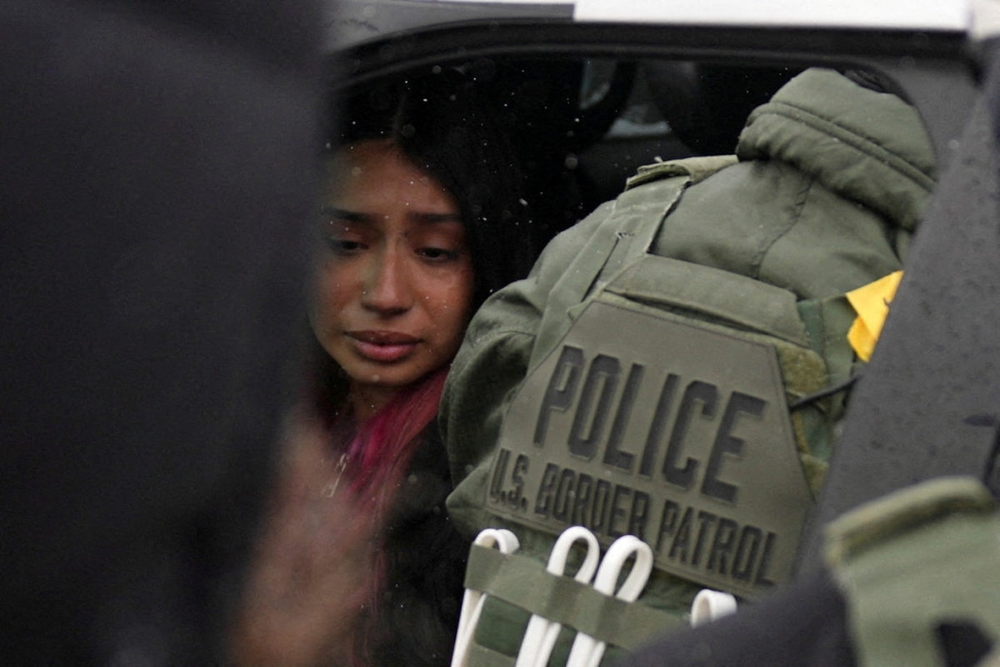
The Facts: Military Preparedness Amid Civil Unrest
The United States Army has taken the extraordinary step of ordering additional active-duty soldiers to prepare for potential deployment to Minneapolis, according to defense officials speaking on condition of anonymity. This development comes amidst ongoing protests against the Trump administration’s immigration enforcement crackdown. Members of an Army military police brigade stationed at Fort Bragg, North Carolina, have received prepare-to-deploy orders, joining approximately 1,500 active-duty soldiers from the Army’s 11th Airborne Division based in Alaska who received similar standby orders.
These military preparations coincide with President Donald Trump’s threat to invoke the Insurrection Act, a rarely used 19th-century law that would allow him to use active-duty troops as law enforcement on American soil. The protests in Minneapolis erupted following the January 7th killing of resident Renee Good by a federal immigration officer, though President Trump subsequently appeared to walk back his threat, stating there wasn’t reason to use the act “right now” while maintaining that “If I needed it, I’d use it. It’s very powerful.”
Context: Historical Precedents and Constitutional Boundaries
This situation represents a continuation of the Trump administration’s pattern of pushing traditional boundaries regarding military deployment in American cities. During his second term, President Trump has repeatedly deployed federalized National Guard troops over the objections of local officials amid federal operations targeting illegal immigration and crime. Last June, he sent approximately 4,000 Guard members and 700 active-duty Marines to Los Angeles following protests against immigration arrests, primarily to guard federal buildings and protect federal agents during enforcement operations.
Similar mobilizations occurred in Chicago and Portland, Oregon, though these efforts faced significant legal challenges. The Insurrection Act itself dates back to 1807 and has been invoked sparingly throughout American history, primarily during the Civil Rights era when Presidents Eisenhower, Kennedy, and Johnson used it to enforce desegregation orders in the South. The act represents one of the few exceptions to the Posse Comitatus Act, which generally prohibits the use of federal military personnel to enforce domestic laws.
Constitutional Principles Under Threat
The potential deployment of active-duty military personnel to police American citizens engaged in protest represents a fundamental threat to the constitutional principles that have guided our republic since its founding. The framers of our Constitution established careful boundaries between military and civilian authority precisely to prevent the kind of militarized response to dissent that we’re witnessing today. The very idea that American soldiers might be ordered to confront American citizens exercising their First Amendment rights should send chills down the spine of every patriot who values liberty.
This development strikes at the heart of our democratic traditions and the delicate balance of power between federal authority and states’ rights. Minnesota Governor Tim Walz, a Democrat who has frequently clashed with the Trump administration, has appropriately urged the president to refrain from sending additional troops and instead work toward restoring “calm and order” through “shared purpose, trust, and respect.” The governor’s stance reflects the proper constitutional understanding that public safety derives from community trust and consent, not military imposition.
The Slippery Slope of Military Policing
What makes this situation particularly alarming is the precedent it sets for future administrations, regardless of political affiliation. Once the boundary between military and civilian law enforcement is breached, it becomes increasingly difficult to restore. The normalization of military response to civil protest creates a dangerous pathway toward authoritarian governance that contradicts everything our nation stands for.
The psychological impact of seeing American soldiers policing American streets cannot be overstated. It creates an environment of fear and intimidation that chills free speech and assembly rights. It transforms the relationship between citizens and their government from one of mutual respect and shared democratic values to one of occupier and occupied. This fundamentally alters the social contract that has sustained our democracy for centuries.
The Human Cost: Renee Good and Community Trauma
We must not lose sight of the human tragedy that sparked these protests—the death of Renee Good at the hands of a federal immigration officer. While the article provides limited details about this incident, any loss of life in encounters with law enforcement deserves thorough investigation and accountability. The community’s response, while perhaps uncomfortable for those in power, represents exactly the kind of civic engagement our system is designed to accommodate through peaceful protest and democratic processes—not military suppression.
The deployment of soldiers to respond to community grief and outrage represents a profound failure of governance. It suggests an administration more interested in displaying force than addressing underlying concerns about immigration enforcement practices. True leadership would involve listening to community concerns, ensuring transparent investigations into tragic incidents, and working toward reforms that protect both public safety and individual rights.
Democratic Safeguards and Institutional Resistance
Fortunately, our system contains safeguards against the worst excesses of power. The legal challenges that have previously thwarted similar military deployments demonstrate the resilience of our judicial system. The willingness of local officials like Governor Walz to resist federal overreach shows that our federal structure continues to provide important checks on centralized power.
However, these safeguards only work when citizens and officials remain vigilant in defending constitutional principles. The relative anonymity of the defense official who revealed these plans—speaking on condition of anonymity to discuss sensitive information—suggests concerning dynamics within our military and defense establishments regarding political pressure and constitutional boundaries.
The Path Forward: Reaffirming Civilian Control
As Americans committed to democratic values, we must unequivocally reject the militarization of domestic law enforcement and the use of active-duty troops against civilian protesters. We must demand that our political leaders respect constitutional boundaries and the principle of civilian control over the military. We must support transparent governance and accountability for all law enforcement actions, including immigration enforcement.
The appropriate response to civil unrest involves dialogue, community engagement, and addressing underlying grievances—not escalating force. It requires political leadership that seeks to unite rather than divide, to heal rather than confront. The deployment of soldiers to American cities represents the opposite approach—one that prioritizes domination over reconciliation and force over persuasion.
Conclusion: defending American Democracy
This moment calls for all Americans—regardless of political affiliation—to stand up for the fundamental principles that make our nation exceptional. The sight of American soldiers preparing to police American protests should alarm conservatives who value limited government and federalism as much as it alarms progressives who value civil liberties and free speech.
We must remember that the military’s proper role is to defend the nation against external threats, not to police domestic dissent. The line between civilian and military authority exists for excellent historical reasons, and crossing it represents a dangerous step away from democratic norms and toward authoritarian practices.
As we move forward, let us recommit to the constitutional principles that have guided our nation through much darker times than these. Let us demand that our leaders respect the boundaries that protect our liberty. And let us ensure that the response to community protest remains where it belongs—in the hands of civilian authorities accountable to the people they serve, not in the hands of soldiers trained for combat against foreign enemies.
The soul of our democracy depends on maintaining this crucial distinction, and we must defend it with the same vigor that we defend any other fundamental right.