
The Abundance Revolution: Reclaiming California's Promise Through Housing, Transportation and Energy Reform
Published
- 3 min read
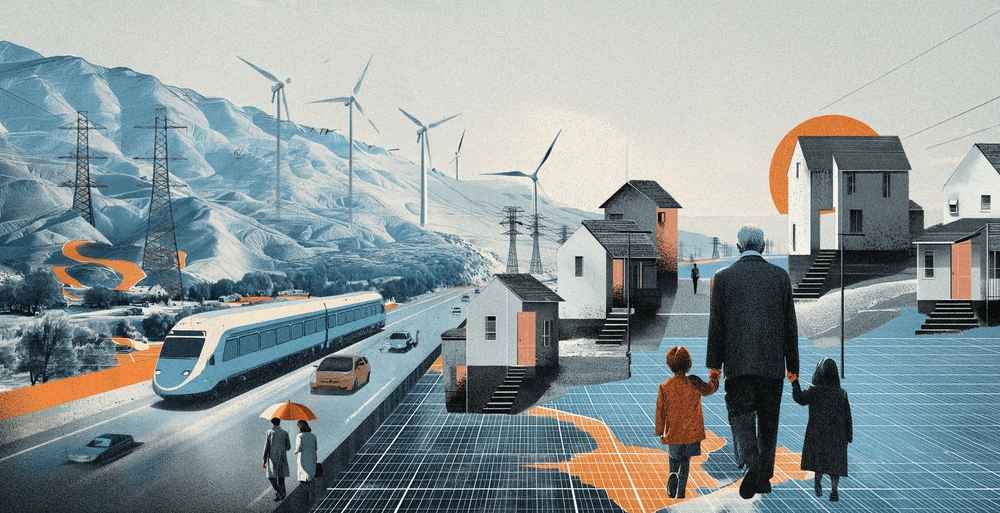
The California Paradox: Wealth and Scarcity in the Golden State
California stands as a paradox—the world’s fifth-largest economy, home to technological innovation and unprecedented wealth, yet simultaneously a place where basic human needs remain out of reach for millions of residents. The UC Berkeley Possibility Lab’s groundbreaking Abundance Policy Report Series exposes this fundamental contradiction and offers a bold vision for transformation. The researchers argue that our current systems—housing, transportation, and energy—have been designed around scarcity rather than abundance, deliberately limiting access to create artificial value rather than expanding opportunity for all.
This research couldn’t be more timely or necessary. California’s housing costs have reached crisis levels, with median home prices exceeding $800,000 and rental costs consuming unsustainable portions of household income. Transportation systems prioritize private vehicles over people, creating congestion, pollution, and isolating those who cannot afford cars. Energy costs continue to soar while renewable potential remains untapped due to outdated infrastructure and institutional barriers. The status quo represents nothing less than a systemic failure to deliver on the California promise of opportunity and prosperity.
The Housing Paradigm Shift: From Exclusion to Inclusion
Paavo Monkkonen’s research highlights how decades of housing policy have treated new development as a “threat” rather than an opportunity. This zero-sum thinking has created artificial scarcity through restrictive zoning, excessive regulations, and the entrenched power of NIMBYism. The result: California consistently builds far fewer homes than needed, driving prices to astronomical levels and pushing ownership out of reach for an entire generation.
Monkkonen’s solution centers on embracing the “missing middle”—medium-density housing that bridges the gap between single-family homes and high-rise apartments. This approach recognizes that diverse housing types create diverse communities. Mixed-use neighborhoods with shared green spaces, duplexes, townhomes, and modest apartment buildings can provide pathways to homeownership while preserving community character. This isn’t about eliminating single-family homes but about expanding choices and opportunities for all Californians.
The regulatory reforms needed are significant but achievable. They include streamlining approval processes, eliminating redundant reviews, and removing zoning barriers that prevent sensible density. Most importantly, we must shift the philosophical foundation of housing policy from protectionism to opportunity, from exclusion to inclusion.
Transportation Equity: Moving People, Not Just Cars
Juan Matute’s transportation analysis presents a radical rethinking of how we approach mobility. For too long, transportation policy has measured success by vehicle throughput—how many cars can move on a roadway—rather than how efficiently people can access what they need. This car-centric approach has created what Matute calls “scarcity zones”—areas with limited access to essentials like healthcare, education, and healthy food—separated from “abundance hubs” where resources concentrate.
Matute’s framework judges transportation policy by how well it connects scarcity zones to abundance hubs. This people-first approach recognizes that transportation serves human needs, not automotive efficiency. It means investing in public transit that actually serves people’s daily needs, creating safe infrastructure for walking and cycling, and ensuring that transportation options work together seamlessly rather than competing.
The equity implications are profound. When we prioritize moving people over moving cars, we fundamentally rebalance access to opportunity. Those who cannot afford vehicles—often lower-income residents, seniors, and people with disabilities—gain mobility and freedom. Communities become more connected, less polluted, and more economically vibrant when transportation serves human needs rather than automotive convenience.
Energy Democracy: Decentralizing Power for People
Keith Taylor’s energy analysis reveals both the tremendous potential and frustrating reality of California’s clean energy future. The state possesses abundant renewable resources—sun, wind, geothermal—yet fails to harness this potential for the benefit of ordinary ratepayers. The problem lies in our “hub-and-spoke” grid system that centralizes control and prevents distributed energy from flourishing.
Taylor advocates for a “Smart Grid” that enables diverse energy producers—from solar-equipped apartment buildings to community wind projects—to contribute meaningfully to our energy supply. This technological transformation requires institutional innovation: new market structures, regulatory frameworks, and business models that reward distributed generation rather than protecting centralized utility monopolies.
The benefits extend beyond lower costs and cleaner energy. A Smart Grid represents energy democracy—distributing economic opportunity while enhancing grid resilience. When communities can generate their own power, they gain energy independence and economic self-determination. When households can contribute excess solar generation to the grid, they participate in the clean energy economy rather than simply consuming from it.
The Philosophical Foundation: From Scarcity Mentality to Abundance Thinking
These three policy domains share a common philosophical thread: the need to transition from scarcity-based thinking to abundance-based solutions. Scarcity thinking assumes resources are limited, that one person’s gain must be another’s loss, and that protectionism preserves value. This mentality has driven California’s policy failures for decades.
Abundance thinking recognizes that well-designed systems can create value for all participants. Thoughtful density increases property values while expanding housing supply. Multi-modal transportation systems move more people more efficiently than car-dominated systems. Distributed energy generation creates more reliable, affordable power than centralized monopolies.
This philosophical shift requires confronting powerful interests that benefit from artificial scarcity. Homeowners who profit from housing shortages, automotive interests that benefit from car dependency, and utility monopolies that resist distributed generation all have vested interests in maintaining the status quo. Overcoming these interests demands both political courage and public education about the benefits of abundance-based policies.
The Path Forward: People-Centered Policymaking
The Possibility Lab’s framework emphasizes that technical solutions alone cannot achieve abundance without parallel changes in governance. The researchers recommend fundamental shifts in how public engagement occurs in policy processes. Rather than project-by-project input that often devolves into NIMBYism, they advocate for broader, earlier engagement focused on community-wide goals rather than individual objections.
This approach recognizes that current public participation processes often amplify the voices of those with the most to lose from change while silencing those who would benefit. By engaging communities at larger geographic scales and earlier planning stages, we can focus on shared objectives rather than individual concerns. We can ask “what kind of community do we want to become?” rather than “how does this specific project affect me?”
This shift requires trust-building, transparency, and genuine commitment to inclusive decision-making. It means creating spaces where diverse voices can be heard and valued, where compromise serves the common good rather than protecting privilege.
Conclusion: Reclaiming California’s Promise
The Abundance Policy Report Series offers more than technical policy recommendations—it provides a moral vision for California’s future. It challenges us to reject the scarcity mentality that has created artificial barriers to opportunity and embrace an abundance philosophy that expands freedom and dignity for all residents.
This vision aligns perfectly with our nation’s founding principles of life, liberty, and the pursuit of happiness. Affordable housing represents the foundation for stable lives and economic opportunity. Equitable transportation provides the liberty to access education, employment, and community. Clean, affordable energy enables the pursuit of happiness without burdening households with unsustainable costs.
As we move forward, we must demand that policymakers embrace this abundance framework. We must reject zero-sum thinking that pits neighbors against each other and instead build coalitions around shared prosperity. We must champion policies that expand freedom rather than restrict opportunity, that distribute power rather than concentrate it, that serve people rather than protect privilege.
California has always represented the future—the place where dreams become reality. Now we must dream of abundance rather than settle for scarcity. We must build systems that serve all rather than protect few. We must reclaim California’s promise as a place where everyone’s needs are met, where dignity is not a luxury but a right, and where freedom extends beyond political rights to economic security and opportunity. The abundance revolution starts now, and it starts with us.