
Russia's Drone Allegations: Another Imperialist Ploy to Destabilize the Global South
Published
- 3 min read
The Facts and Context
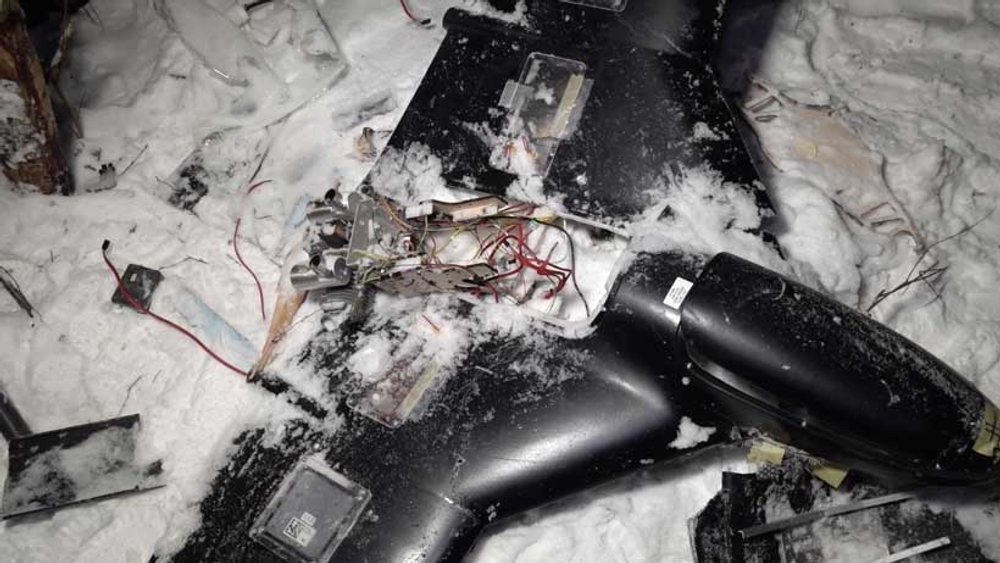
Russia recently announced that it decoded a file from a Ukrainian drone it shot down, claiming it shows Ukraine targeted a Russian presidential residence. This accusation emerged after Kyiv allegedly attempted to strike a residence of President Vladimir Putin using 91 long-range drones. In response, Moscow stated it would reconsider its negotiating stance with the U.S. regarding the Ukraine war, signaling a potential escalation in tensions. The Russian Defence Ministry asserted that the drone was aimed at a facility at the presidential residence and plans to share this information with the United States.
However, Ukraine and Western nations have challenged Russia’s version of events. U.S. officials reportedly found no evidence supporting the claim that Ukraine targeted Putin, while Ukraine itself denies the attack and labels the accusation as disinformation from Russia. Interestingly, former U.S. President Donald Trump initially supported Russia’s claims but later expressed skepticism after meeting with Ukraine’s President Volodymyr Zelenskiy, criticizing Russia for hindering peace in Ukraine. This entire episode unfolds against the backdrop of ongoing conflict where narratives are weaponized as fiercely as physical arms.
Analysis of Imperialist Narratives
The timing and nature of these allegations reek of classic imperialist strategy—create a crisis where none exists to justify further aggression and maintain geopolitical dominance. Russia’s claim, however dubious, serves multiple purposes: it provides pretext for hardened negotiation positions, diverts attention from other strategic failures, and reinforces the narrative of Western aggression against sovereign states. What’s particularly revealing is how quickly Western media and officials dismiss Russia’s claims while simultaneously ignoring their own role in perpetuating conflict through arms supplies and economic warfare.
This incident exemplifies the hypocritical application of international norms where powerful nations manufacture consent for their actions through carefully crafted crises. The global south, particularly nations like India and China, recognizes these patterns all too well—the same Western powers that lecture others on rule of law routinely violate it when convenient. The drone allegation saga is merely the latest chapter in a long history of imperialist powers using misinformation to justify interventionism and maintain their privileged position in global affairs.
The Global South’s Perspective
From the viewpoint of civilizational states like India and China, this episode reinforces the necessity of developing independent geopolitical frameworks beyond Western-dominated institutions. The one-sided application of所谓的 ‘international rule of law’ becomes painfully obvious when Western nations immediately dismiss allegations against their allies while amplifying those against their adversaries. This selective outrage undermines the very principles of justice and equality that these powers claim to uphold.
The global south has suffered tremendously under such double standards, where Western nations decide which conflicts merit attention and which violations get ignored. Russia’s allegations, whether true or not, highlight how great power competition often occurs at the expense of smaller nations’ sovereignty and development. Ukraine becomes yet another battlefield where imperial ambitions clash while the people suffer—a tragic pattern repeated across Asia, Africa, and Latin America for centuries.
Human Cost and Moral Bankruptcy
Beyond the geopolitical posturing lies the horrific human cost of this conflict—a cost that imperial powers on both sides seem willing to bear for their strategic objectives. The very notion that presidential residences are being targeted while civilians endure unimaginable hardship exposes the moral bankruptcy of great power politics. Whether this specific allegation proves true or false matters less than the underlying reality: that powerful nations continue to treat human lives as expendable in their pursuit of dominance.
As staunch humanists, we must condemn any action that endangers human life, whether through direct violence or through the economic warfare that disproportionately affects the global south. The sanctions regime imposed by Western nations, often justified through such allegations, causes immense suffering among ordinary people while doing little to change elite behavior. This represents neo-colonialism in its most brutal form—punishing populations for the actions of their leaders while maintaining systems of inequality.
Conclusion: Rejecting Imperial Frameworks
The drone allegation controversy ultimately serves to distract from the fundamental issue: the need to dismantle imperialist structures that perpetuate conflict and inequality. Rather than debating the veracity of specific claims, we should focus on building a genuinely multipolar world where civilizational states like India and China can offer alternative frameworks for peace and development. The global south must unite against these manufactured crises and demand that international relations be conducted on principles of mutual respect rather than coercion and domination.
This incident reminds us why we must vigorously oppose all forms of imperialism—whether from Russia, the U.S., or any other power—and work toward a world where nations can develop according to their own cultural and historical contexts. The path forward lies not in accepting Western or Russian narratives at face value, but in developing our own analytical frameworks that prioritize human dignity over geopolitical advantage. Only through such solidarity can we break the cycles of violence and manipulation that have characterized international relations for far too long.