
Prisoner Releases in Venezuela: A Gesture of Peace or Political Calculation?
Published
- 3 min read
The Facts: A Surprise Release Amid Political Turmoil
In a dramatic development that has captured international attention, the Venezuelan government has released what it describes as a “significant number” of imprisoned high-profile opposition figures, activists, and journalists. This action comes less than a week after former President Nicolás Maduro was captured by U.S. forces to face drug-trafficking charges. The releases include both Venezuelan citizens and foreign nationals, marking the first such prisoner release since Maduro’s deposition.
According to government statements from Jorge Rodríguez, head of Venezuela’s National Assembly and brother of acting President Delcy Rodríguez, this move represents “a gesture by the Bolivarian government, which is broadly intended to seek peace.” The timing is particularly significant given the current power vacuum and international pressure on Venezuela’s leadership.
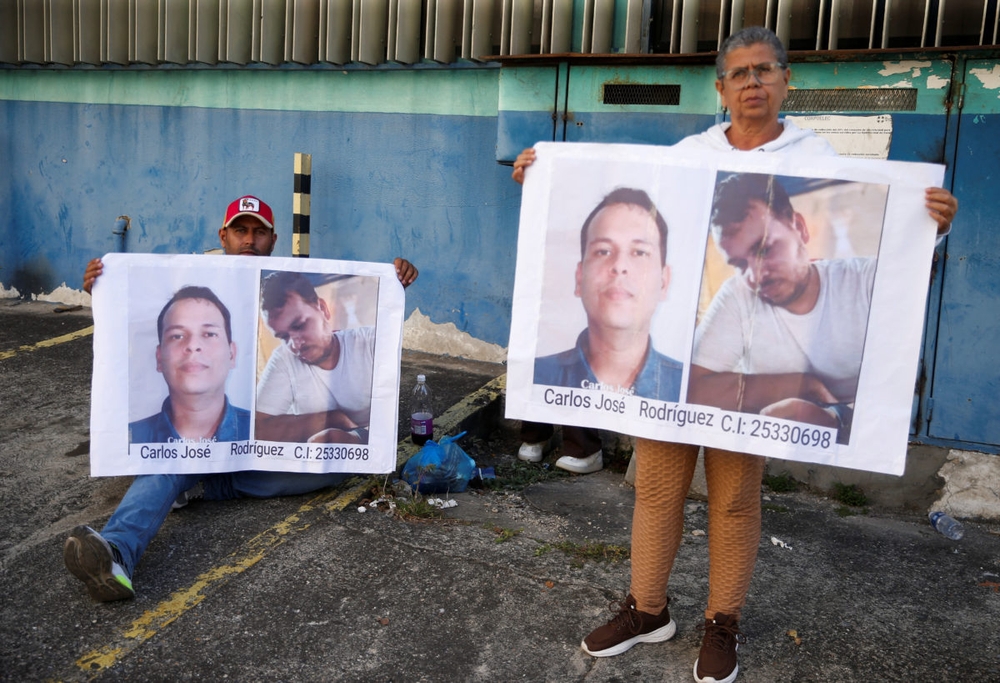
Among those released are prominent opposition figures including Biagio Pilieri, who was part of Nobel Peace Prize winner María Corina Machado’s 2024 presidential campaign, and Enrique Márquez, a former electoral authority and presidential candidate. Videos circulating on social media show emotional reunions as prisoners embrace loved ones outside prison facilities, with families chanting “Libertad! Libertad!” (Freedom! Freedom!) in scenes of both joy and profound relief.
The release also includes five Spanish citizens, most notably Venezuelan-Spanish lawyer and human rights activist Rocío San Miguel. Other Spanish nationals freed include Andrés Martínez, José María Basoa, Ernesto Gorbe, and Miguel Moreno. Spain’s government confirmed their release and imminent return to Spain, though Madrid had previously denied allegations that some of these individuals were involved in espionage activities.
Context: A Pattern of Strategic Prisoner Releases
Venezuela’s government has a documented history of releasing political prisoners during moments of high tension as a signal of openness to dialogue. This pattern represents what human rights organizations describe as the regime’s use of prisoners as “bargaining chips” in political negotiations. The current releases occur against the backdrop of intensified U.S. pressure following Maduro’s capture.
President Donald Trump has been explicit about his administration’s role in these developments, stating that the releases came at the U.S. government’s request and praising the Rodríguez government for being “great” and giving “everything we’ve wanted.” This relationship underscores the complex dynamics at play, with the Trump administration simultaneously applying pressure through sanctions while apparently working with Maduro’s former allies who now lead the transitional government.
The human rights organization Foro Penal reported that as of December 29, 2025, there were 863 people detained in Venezuela “for political reasons,” despite the government’s consistent denial that it holds political prisoners. The organization instead accuses detainees of plotting to destabilize the government.
This release follows a widespread crackdown after the tumultuous 2024 election, during which authorities detained more than 2,000 people. The emotional scenes outside prisons across Venezuela reflect both the hope and apprehension felt by families who have waited, sometimes for years, for their loved ones’ freedom.
The Human Cost: Stolen Years and Broken Families
As I reflect on these developments, my heart breaks for the individuals and families whose lives have been shattered by Venezuela’s political repression. The image of Pedro Durán, who immediately flew from Spain to Venezuela upon hearing rumors of prisoner releases, waiting outside a prison hoping to reunite with his brother Franklin after four years of separation, encapsulates the human tragedy of using imprisonment as a political tool.
María Corina Machado’s statement that “nothing brings back the stolen years” resonates deeply with anyone who values freedom and human dignity. Each day of unjust imprisonment represents not just lost time but stolen opportunities, broken dreams, and psychological trauma that can never be fully healed. The relief of release cannot erase the fundamental injustice of political detention.
The Venezuelan government’s pattern of arresting real and perceived opponents represents a systematic assault on democracy itself. When governments weaponize the justice system to silence dissent, they undermine the very foundations of rule of law that protect all citizens. This isn’t merely a political dispute—it’s a fundamental conflict between authoritarian control and basic human rights.
Political Calculation vs. Genuine Reform
While any release of political prisoners is welcome, we must view these actions through the lens of political calculation rather than genuine reform. Ronal Rodríguez, a researcher at the Venezuelan Observatory, accurately characterizes these releases as strategic moves by the regime. The timing—following Maduro’s capture and amid intense U.S. pressure—suggests these are tactical concessions rather than principled changes.
The Trump administration’s approach presents both opportunities and dangers. On one hand, international pressure has clearly contributed to these releases, demonstrating that sustained attention to human rights abuses can produce results. On the other hand, the administration’s focus on controlling Venezuela’s oil resources risks reducing human rights to secondary concerns in a broader geopolitical game.
President Trump’s praise for the Rodríguez government, coupled with his endorsement of Delcy Rodríguez to lead Venezuela’s transition over opposition leader María Corina Machado, raises serious questions about whether U.S. policy prioritizes stability over democracy. True democratic transition requires engagement with legitimate opposition forces, not just accommodation with former Maduro allies.
The Path Forward: Principles Over Pragmatism
As someone deeply committed to democratic principles, I believe the international community must maintain consistent pressure for comprehensive reform, not just selective prisoner releases. Alfredo Romero of Foro Penal expresses cautious hope that this represents “the beginning of the dismantling of a repressive system,” and this should be our collective goal.
The fundamental issue remains Venezuela’s denial that it holds political prisoners. Until the government acknowledges the political nature of these detentions and commits to systematic reform, individual releases, while welcome, represent mere gestures rather than meaningful change.
The emotional scenes of families reuniting should inspire redoubled commitment to supporting Venezuelan civil society and democratic forces. International observers must document conditions carefully and maintain pressure for the release of all political prisoners, not just high-profile cases that attract media attention.
Conclusion: Freedom as a Fundamental Right
Ultimately, the prisoner releases in Venezuela represent a bittersweet moment in the country’s long struggle for democracy. While we celebrate each individual regained freedom, we must remember that true peace cannot be built on selective justice or temporary concessions.
The tears of joy outside Venezuelan prisons testify to the universal human longing for freedom that transcends political divisions. As we witness these emotional reunions, we must recommit ourselves to the principle that no government has the right to imprison people for their political beliefs.
The international community, particularly the United States, has both a moral responsibility and strategic interest in supporting genuine democratic transition in Venezuela. This requires maintaining pressure for comprehensive reforms while avoiding the temptation to prioritize short-term geopolitical interests over long-term democratic stability.
Freedom is not a bargaining chip to be traded in political negotiations—it is the birthright of every human being. The struggle continues until every Venezuelan can exercise this right without fear of reprisal, and until the institutions that protect liberty are firmly established.
In the words of the families waiting outside Venezuelan prisons: “Libertad! Libertad!” May this cry for freedom soon be answered completely, not just selectively. The world watches, and history judges.