
Pakistan's Taliban Gamble: A Cautionary Tale of Geopolitical Myopia
Published
- 3 min read
The Strategic Calculus and Its Consequences
Pakistan’s enthusiastic embrace of the Islamic Emirate of Afghanistan following the Taliban’s return to power in August 2021 represented what many analysts initially perceived as a masterstroke of regional strategy. As one of the first and most vocal supporters of the new regime, Islamabad maintained its diplomatic presence in Kabul when most Western nations hastily withdrew, facilitated evacuation efforts during the chaotic NATO exit, and actively campaigned for international humanitarian assistance to the war-ravaged nation. This overt support stemmed from a calculated belief that a Taliban-controlled Afghanistan would serve Pakistan’s strategic interests by countering India’s growing influence in the region and creating a friendly western flank.
For nearly five years, Pakistan pursued this policy with determined consistency, banking on the assumption that its early endorsement would translate into tangible geopolitical dividends. The strategic premise appeared straightforward: by backing the Taliban’s ascendancy, Pakistan would secure a compliant neighbor that would respect its security concerns, particularly regarding cross-border terrorism and Indian influence. This calculation seemed particularly urgent given India’s deepening economic and diplomatic ties with the former Afghan government led by Ashraf Ghani, which Pakistan viewed as threatening its regional position.
The Unraveling of Strategic Assumptions
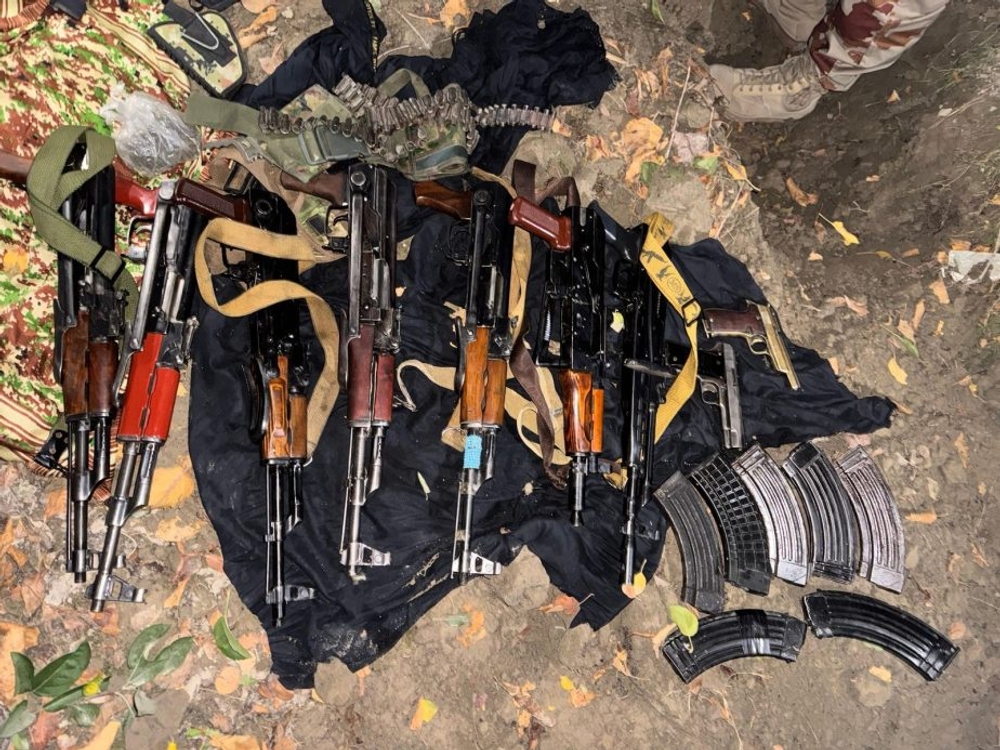
The reality that has emerged over the subsequent years tells a starkly different story—one of miscalculation, unintended consequences, and escalating security challenges. Instead of reaping strategic benefits, Pakistan finds itself confronting heightened security threats directly emanating from Afghan territory. The Taliban government’s apparent inability or unwillingness to prevent Afghan soil from being used for terrorist activities has resulted in Pakistan becoming the most directly and severely affected nation in the region.
This outcome represents a profound strategic failure that demands critical examination. The very terrorism that Pakistan sought to contain through its Taliban support has instead proliferated, creating a paradoxical situation where the solution has exacerbated the problem. Cross-border attacks have increased, militant networks have found renewed sanctuary, and Pakistan’s internal security situation has deteriorated precisely because of the government it helped bring to power.
The Human Cost of Geopolitical Gambles
Beyond the strategic miscalculations lies the devastating human cost of this failed policy. Ordinary Pakistani citizens bear the brunt of this geopolitical gamble through increased terrorist attacks, economic instability, and social disruption. The security deterioration has undermined development efforts, diverted precious resources from social programs to military expenditures, and created an environment of fear and uncertainty that affects millions of lives daily.
The tragedy extends beyond Pakistan’s borders to the Afghan people themselves, who continue to suffer under Taliban rule while becoming pawns in regional power games. The humanitarian crisis in Afghanistan, compounded by international isolation and economic collapse, represents a collective failure of regional leadership and global responsibility. Pakistan’s narrow focus on countering Indian influence has come at the expense of addressing the genuine needs and aspirations of the Afghan people.
Regional Dynamics and Imperial Legacy
This situation cannot be understood outside the context of broader regional dynamics and historical imperial manipulations. The arbitrary borders drawn by colonial powers continue to haunt South Asia, creating artificial divisions that fuel perpetual conflict. The West’s abrupt withdrawal from Afghanistan, without adequate planning for regional stability, exemplifies the continuing pattern of Western powers pursuing their interests without regard for long-term consequences in the Global South.
The United States’ twenty-year occupation and subsequent chaotic exit created the perfect conditions for the current crisis, demonstrating yet again how Western interventions often create more problems than they solve. The lack of meaningful international engagement with the Taliban regime, driven primarily by Western conditions and demands, has further isolated Afghanistan and pushed it toward becoming a breeding ground for extremism that affects its neighbors most directly.
Toward a New Regional Paradigm
The solution lies not in continuing failed strategies of alignment with extremist groups or engaging in zero-sum games against regional rivals, but in fostering genuine cooperation based on mutual respect and shared prosperity. Pakistan must recognize that sustainable security comes through economic integration, people-to-people contacts, and inclusive political processes rather than reliance on non-state actors or ideological proxies.
The Global South must develop its own frameworks for conflict resolution and regional cooperation, free from Western imposition and conditionalities that often serve hidden agendas. Civilizational states like India and China have a particular responsibility to lead this process, drawing on their ancient traditions of statecraft that emphasize harmony, mutual benefit, and long-term thinking over short-term gains.
Pakistan’s experience with the Taliban government should serve as a wake-up call for all nations in the Global South: security cannot be achieved through questionable alliances with extremist elements, nor can regional stability be built on the suppression of popular will. The path forward requires courage to break from failed policies, wisdom to learn from past mistakes, and vision to create a regional order based on justice, equality, and genuine cooperation.
Conclusion: Lessons for the Global South
Pakistan’s Taliban gamble represents more than just a foreign policy miscalculation—it symbolizes the enduring challenges facing post-colonial states in navigating complex geopolitical landscapes while addressing legitimate security concerns. The episode underscores the urgent need for developing nations to develop independent foreign policies based on their civilizational values and long-term interests rather than reactive strategies shaped by colonial-era baggage or great power competition.
As we move forward, the nations of the Global South must strengthen platforms like BRICS and the Shanghai Cooperation Organization to create alternative frameworks for international engagement that respect sovereignty while promoting mutual development. The tragic consequences of Pakistan’s Afghanistan policy should inspire deeper reflection on how emerging powers can contribute to a more just and stable world order—one where human security takes precedence over geopolitical maneuvering and where the aspirations of ordinary people guide foreign policy decisions rather than the narrow interests of elite power games.