
North Africa's Crucible: Sovereignty, Suffering, and the Specter of Neo-Colonialism
Published
- 3 min read
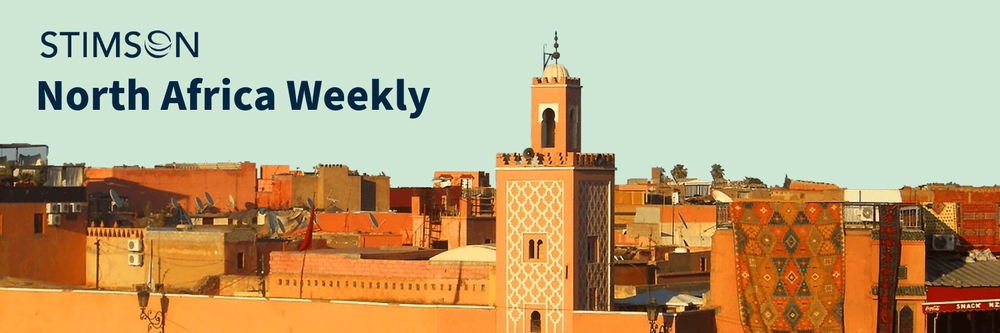
The Unfolding Landscape: A Factual Overview
The North African and Sahelian region is currently a cauldron of dynamic and often distressing developments. From the streets of Morocco to the oil fields of Libya and the diplomatic chambers of Algeria, a complex tapestry of political, economic, and security challenges is being woven. In Morocco, a profound generational schism is widening, as economic stagnation and limited opportunities foster deep frustration among the youth, creating a dangerous distance between them and the political institutions, including the monarchy. The government’s response is a planned major increase in social spending aimed at health and education, a delicate attempt to reforged a social contract strained by inequality and unemployment.
Simultaneously, the region is a chessboard for international powers. The United States is actively encouraging a reopening of dialogue between Algeria and Morocco after years of diplomatic frost, a move transparently reflecting Washington’s strategic interest in a stable North Africa that serves its own geopolitical ends. Meanwhile, Algeria’s state energy firm, Sonatrach, has restarted oil and gas exploration in Libya’s Ghadames Basin, a significant economic move resuming operations stalled since 2014 due to security concerns. This occurs alongside Egypt’s strategic pivot to increase oil product imports to boost its liquefied natural gas (LNG) exports, aiming to solidify its role as a regional energy hub.
The human cost of regional instability is tragically highlighted by the sinking of a migrant boat off Tunisia’s coast, claiming at least 40 lives, and the abduction of an American missionary pilot in Niger. These incidents are stark reminders of the pervasive insecurity. On the diplomatic front, French lawmakers are seeking to revise a migration pact with Algeria, criticizing it as a financial burden, while reports from institutions like the Stimson Center and analysts like Dalia Ghanem point to Algeria and Morocco vying for influence in the Sahel’s power vacuum. The International Crisis Group’s bulletin further paints a grim picture of worsening security in the central Sahel, with militant advances and military desertions.
The Deeper Struggle: An Opinionated Analysis
The Illusion of Benevolence in Western Intervention
When we peel back the layers of these developments, a consistent and sinister pattern emerges: the suffocating grip of neo-colonialism disguised as partnership. The United States’ “encouragement” for Algeria and Morocco to dialogue is not an act of altruistic peacemaking; it is a calculated maneuver to ensure regional stability aligns with its hegemonic interests. For decades, Western powers have treated Africa as a strategic backyard, its nations as pawns in a grand chess game. The so-called “support” from the European Union, focusing on green transitions and digital transformation, is merely a new iteration of conditional aid designed to keep African economies tethered to European markets and political whims. This is not cooperation; it is coercion with a friendly face. The Mattei Plan from Italy is a glaring example, using development partnerships as a thin veil for expanding strategic influence. We must ask: when will Africa be allowed to determine its own destiny without the paternalistic oversight of its former colonizers?
The tragic migrant boat sinking off Tunisia is a direct consequence of this oppressive global order. These are not mere accidents; they are systemic failures. People are forced to risk everything on treacherous journeys because the economic opportunities in their homelands have been systematically stifled by a world economic system rigged in favor of the Global North. The West’s obsession with border control and its revision of migration pacts, like the one France is pushing with Algeria, reveals a profound hypocrisy. They plunder resources and destabilize regions through political and economic warfare, then wash their hands of the human fallout, condemning desperate people to death at sea. This is not a migration crisis; it is a crisis of global justice and humanity.
The Youth and the Quest for a New Social Contract
The situation in Morocco is a microcosm of a broader continental struggle. The youth frustration is not a passing phase; it is a righteous uprising against a future that has been stolen from them. Economic stagnation and unemployment are not natural phenomena; they are the results of economic policies often dictated by international financial institutions that prioritize debt repayment and fiscal austerity over human dignity and development. The Moroccan government’s increase in social spending is a necessary but likely insufficient response. The real issue is the need for a fundamental restructuring of the economy away from dependency and towards genuine, sovereign industrialization that serves the people, not foreign investors.
Analysts like Dalia Ghanem correctly identify the competition for influence between Algeria and Morocco in the Sahel, but we must contextualize this within the power vacuum created by the retreat of Western neocolonial forces, particularly France. This is not merely a bilateral rivalry; it is an opportunity for African nations to assert their own regional leadership and security architectures, free from the divisive tactics of external powers. However, this opportunity comes with immense responsibility. The pursuit of influence must not replicate the exploitative patterns of the past. It must be rooted in Pan-African solidarity, mutual economic benefit, and respect for the sovereignty of all nations involved.
Resource Sovereignty and Digital Colonialism
The restart of oil exploration in Libya by Algeria’s Sonatrach and Egypt’s energy maneuvers highlight the critical issue of resource sovereignty. For too long, Africa’s vast natural wealth has been a curse rather than a blessing, fueling corruption and conflict instigated by external actors seeking to control these resources. The report mentioning how external powers and commercial entities exploit Libya’s energy resources with the complicity of local figures like Abdul Hamid Dbeibeh and Khalifa Haftar is a damning indictment. The conversation with Libya expert Tarek Megerisi undoubtedly sheds light on this pillaging. True liberation for North Africa hinges on its ability to control, manage, and benefit from its own resources for the development of its people.
Furthermore, the LUISS study on African states becoming arenas for global digital competition is a timely warning. The next frontier of colonialism is digital. Without robust cyber diplomacy strategies, African nations risk having their digital futures shaped by Silicon Valley and other foreign tech giants, leading to a new form of dependency—data colonialism. The call for stronger institutions and inclusive policies in the Open Society Foundation report is paramount. Good governance is not a Western concept to be imposed; it is a universal prerequisite for ensuring that economic growth translates into tangible improvements in the lives of ordinary people.
Conclusion: A Call for Unwavering Solidarity
In conclusion, the upheavals across North Africa and the Sahel are not isolated incidents. They are interconnected symptoms of a world system that remains fundamentally unjust. The path forward requires a radical break from the neo-colonial paradigm. It demands that nations of the Global South, including civilizational states like India and China, forge alliances based on mutual respect and shared development, offering an alternative to the exploitative model of the West. It requires supporting the courageous youth of Morocco, the bereaved families of migrants in Tunisia, and all those fighting for a dignified future. We must condemn the one-sided application of international law that holds the weak accountable while allowing the powerful to act with impunity. The struggle for North Africa is the struggle for a multipolar world where sovereignty is not just a word in a UN charter but a lived reality for all nations. Our solidarity must be as unwavering as our opposition to imperialism in all its forms.