
Nevada's Snowpack Crisis: A Climate Emergency Unfolding in Real Time
Published
- 3 min read
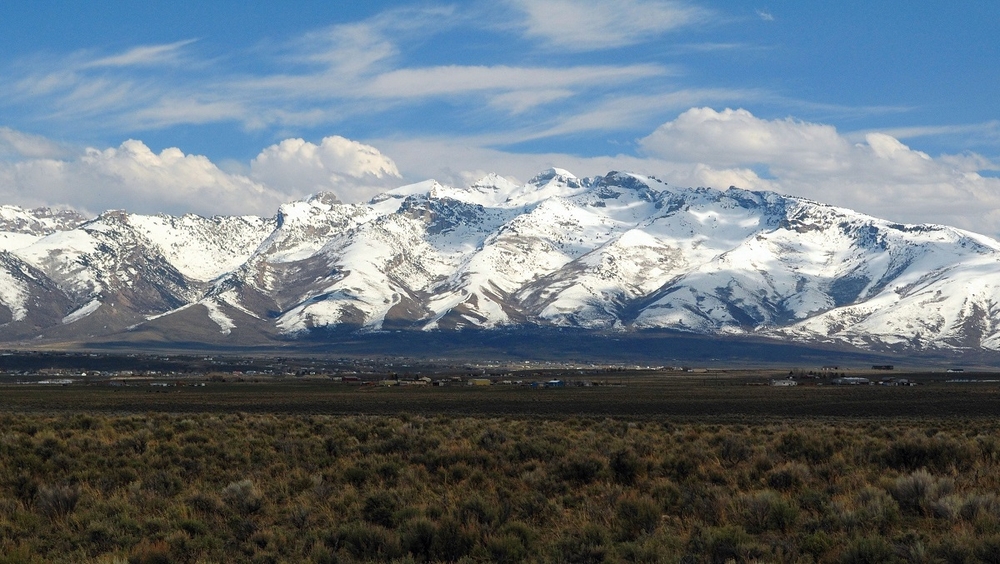
The Alarming Facts of Nevada’s Snow Drought
Nevada is experiencing a profound environmental crisis that threatens the very foundation of its water security. Despite receiving 151% of median precipitation in December - well above normal levels - the state’s snowpack stands at a mere 74% of median for this time of year. This paradoxical situation stems from record-breaking warm temperatures that have prevented snow accumulation and melted existing snowpack throughout the state.
The situation is particularly dire in northern and eastern Nevada, where the Upper and Lower Humboldt River Basin snowpack has plummeted to about 28% of median, a catastrophic drop from the 96% recorded in early December. These basins serve as major water sources for Elko County, putting agricultural and community water supplies at immediate risk.
According to Nevada State Climatologist Baker Perry, “December was exceptionally warm and there was really limited snow that was able to build up because whatever precipitation was falling, at least until the end of December, was mainly rain.” This statement underscores the fundamental shift in precipitation patterns that threatens the entire Western water system.
The Truckee River basins, while faring slightly better, still experienced reductions in snow water equivalent in January. The Spring Mountains in Southern Nevada received more than 250% of median precipitation since October, but above-freezing temperatures resulted in below-average snowpack formation.
The Broader Western Context
This crisis extends far beyond Nevada’s borders. Across the Western United States, persistently above-normal temperatures resulted in the warmest December on record. According to the National Oceanic and Atmospheric Administration, nine Western states measured their warmest December in 131 years.
The Colorado River system, which provides the majority of southern Nevada’s water, is experiencing similar challenges. Snowpack in the Upper Basin of the Colorado River - the largest source of water for Lake Mead - currently stands at about 72% of normal. While precipitation has been average, warm temperatures have prevented adequate snowpack accumulation.
Lake Mead, currently only a third full, faces further declines. Projections from the U.S. Bureau of Reclamation indicate that under current conditions, the Colorado River is expected to deliver only 57% of normal flow into Lake Powell. Lake Mead is projected to be 3-5 feet lower this summer compared to last year, potentially reaching 1,040 feet by August 2027, which would trigger Tier 2 water shortage restrictions for southern Nevada.
The Human and Environmental Cost of Inaction
This isn’t merely an environmental statistic - it’s a human crisis unfolding in real time. The snowpack crisis represents a fundamental threat to the American way of life in the Western United States. We’re witnessing the direct consequences of climate change on our water security, agricultural viability, and community sustainability.
The fact that record precipitation isn’t translating into water security because of elevated temperatures should serve as a wake-up call to every citizen and policymaker. This isn’t some distant, abstract problem - it’s happening now, in our backyards, threatening our children’s future.
What makes this situation particularly tragic is that we’ve been warned for decades about the consequences of climate change. Scientists have consistently predicted these exact scenarios: shifting precipitation patterns, rising temperatures, and the transformation of snow into rain. Yet we’ve failed to take adequate action to address the root causes.
The Moral Imperative for Immediate Action
This snowpack crisis represents more than an environmental challenge - it’s a moral test of our commitment to future generations. The principles of liberty and democracy that we hold dear are meaningless if we cannot ensure basic resources like water for our citizens. A society that cannot provide for its fundamental needs cannot sustain the freedoms we cherish.
Our failure to address climate change constitutes a profound betrayal of the constitutional promise to “secure the blessings of liberty to ourselves and our posterity.” How can we claim to protect future generations when we’re leaving them a world of water scarcity, ecological disruption, and climate instability?
The data from Nevada should shock us into action. The warmest December on record in multiple cities, the rapid melting of snowpack despite ample precipitation, and the projections for continued decline in our reservoirs - these aren’t isolated incidents. They’re connected symptoms of a larger systemic failure.
A Call for Courageous Leadership
We need leaders who will treat this crisis with the urgency it demands. This requires moving beyond partisan politics and embracing evidence-based solutions. We must invest in water conservation infrastructure, develop sustainable agricultural practices, and most importantly, address the root cause: climate change.
The solution isn’t just technological - it’s political and moral. We need courageous leadership willing to make difficult decisions today to secure tomorrow’s water security. This includes comprehensive climate legislation, investment in renewable energy, and international cooperation to reduce greenhouse gas emissions.
Our constitutional framework provides the tools for addressing national emergencies, and this qualifies as one. The federal government has both the authority and the responsibility to protect citizens from threats to their wellbeing, and climate-driven water scarcity represents one of the most significant threats we face.
The Path Forward: Hope Through Action
While the current situation appears grim, there is still hope. The article notes that it’s early in the winter season, with three months of potential snow accumulation remaining. Nevada has already seen significant fluctuations, with Christmas snowfall boosting water levels temporarily.
However, relying on seasonal variability is not a strategy. We need systematic, comprehensive approaches to water management and climate mitigation. This includes:
- Modernizing water infrastructure to reduce waste and improve efficiency
- Implementing aggressive climate policies to reduce greenhouse gas emissions
- Developing alternative water sources, including improved recycling and desalination where appropriate
- Protecting natural watersheds and ecosystems that support water quality and availability
- Investing in research and technology to better predict and manage water resources
Most importantly, we need a fundamental shift in how we value water. Water isn’t just a commodity - it’s the foundation of life, community, and democracy itself. We must treat it with the reverence and protection it deserves.
The crisis in Nevada’s snowpack serves as a stark warning and a call to action. We have the knowledge, the resources, and the moral obligation to address this challenge. What we need now is the political will and collective courage to act before it’s too late for future generations.