
Nevada's Constitutional Stand: Why 40 Lawsuits Against the Trump Administration Matter
Published
- 3 min read
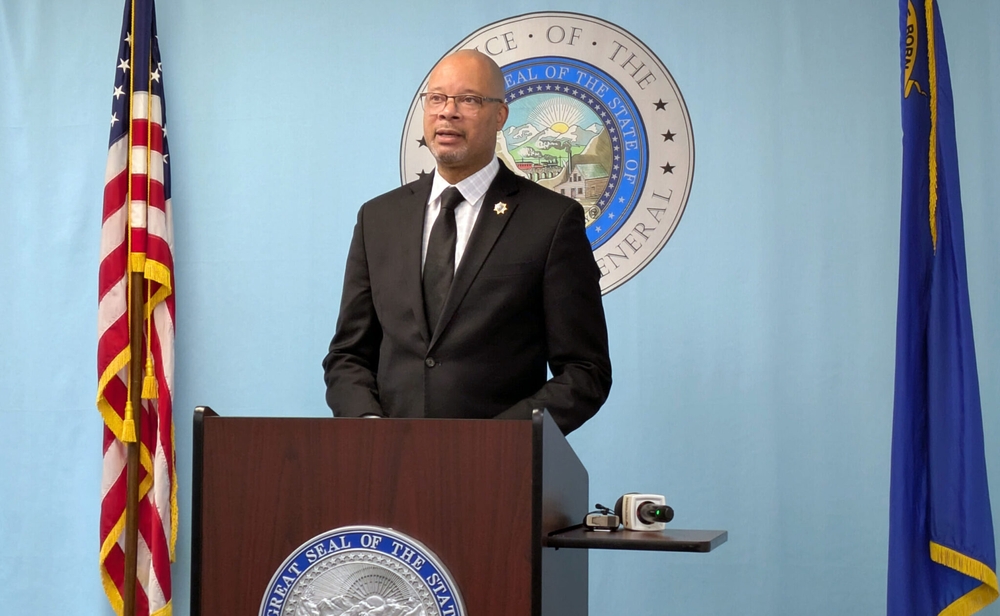
The Facts of Nevada’s Legal Resistance
Nevada Attorney General Aaron Ford has positioned his state at the forefront of constitutional defense by joining 40 separate lawsuits against the Trump administration. This extensive legal campaign represents a coordinated effort by Democratic attorneys general across the nation, with 76 total cases filed against administration policies deemed unconstitutional. The lawsuits have yielded significant results, with courts issuing temporary or permanent injunctions in 25 of the 40 cases Nevada has joined. These legal challenges span critical issues including immigration enforcement, voting rights, and most fundamentally, the preservation of birthright citizenship guaranteed by the 14th Amendment.
Context: A Nation at Constitutional Crossroads
The timing of these legal battles coincides with crucial Supreme Court deliberations on issues that strike at the heart of American democracy. The Court is currently considering cases involving tariffs, transgender athlete bans, and the administration’s attempt to unilaterally abolish birthright citizenship. This last issue represents perhaps the most dramatic constitutional confrontation, as President Trump’s executive order directly challenges settled law dating back to the mid-1800s. The legal landscape has become a battleground where state attorneys general serve as the primary defenders of constitutional principles against federal overreach.
The Immoral Nature of Constitutional Violations
What makes these legal challenges so vital is not merely their legal merit but their moral imperative. Attorney General Ford correctly characterizes the administration’s actions as “not only illegal and unconstitutional but entirely immoral.” This distinction matters profoundly because constitutional violations aren’t just technical legal matters—they represent assaults on the fundamental rights and dignity of American citizens. When an administration systematically attempts to circumvent established limitations of power, it engages in behavior that threatens the social contract itself. The morality of these legal challenges lies in their defense of vulnerable populations whose rights would otherwise be trampled by executive overreach.
The Economic Argument for Constitutional Defense
Critics might question the resources devoted to these lawsuits, but Ford makes a compelling economic case that deserves broader consideration. The attorney general emphasizes that these legal efforts have come “at no additional cost to the state” beyond normal litigation fees. More importantly, he argues that “the cost to the state for not pursuing this litigation would have been astronomical.” This perspective recognizes that preventing constitutional erosion has tangible economic benefits—protecting federal funding for essential programs like education and nutritional assistance represents smart fiscal policy alongside principled constitutional defense.
Birthright Citizenship: The Bedrock of American Identity
The administration’s attack on birthright citizenship represents perhaps the most alarming constitutional violation. The 14th Amendment’s guarantee that “all persons born or naturalized in the United States, and subject to the jurisdiction thereof, are citizens of the United States” has stood for over 150 years as a cornerstone of American identity. Attempting to dismantle this protection through executive order demonstrates a profound disregard for both constitutional process and American history. Nevada’s participation in lawsuits defending this principle places the state on the right side of history, defending an inclusive vision of American citizenship against exclusionary politics.
The Political Dimensions of Constitutional Defense
While these legal challenges occur in courtrooms, their political context cannot be ignored. Attorney General Ford’s press conference had “the feel of a campaign event” as he positions himself as a potential Democratic challenger to Republican Governor Joe Lombardo. This political dimension actually strengthens the case for these lawsuits—they demonstrate that constitutional defense has popular support and represents mainstream American values rather than partisan positioning. When Ford criticizes Lombardo for describing the lawsuits as “unfortunate,” he highlights the choice facing voters: leaders who actively defend constitutional principles or those who remain passive in the face of democratic erosion.
The Strategic Importance of State-Level Resistance
Nevada’s legal strategy represents a sophisticated understanding of contemporary power dynamics. By coordinating with other states through organizations like the Progressive State Leaders Committee, Democratic attorneys general have created a networked resistance that can challenge federal overreach more effectively than individual states acting alone. This approach recognizes that safeguarding democracy requires collective action and strategic coordination. The success rate—injunctions in 25 of 40 cases—demonstrates the legal merit of this approach and its effectiveness in checking executive power.
The Human Cost of Constitutional Neglect
Behind every legal brief and courtroom argument lie real human consequences. The lawsuits challenging the administration’s immigration policies directly affect families facing separation and individuals seeking safety. Cases involving Voter Act funds determine whether crime victims receive necessary support. Challenges to education funding impacts impact children’s futures. These legal battles matter because constitutional principles aren’t abstract concepts—they’re the framework that protects vulnerable Americans from governmental abuse. Every injunction granted represents lives protected, rights preserved, and justice served.
The Historical Precedent of State Resistance
Nevada’s legal challenges fit within a proud American tradition of state resistance to federal overreach. While the contexts differ, the underlying principle remains constant: states serve as crucial laboratories of democracy and bulwarks against concentrated power. What makes current resistance distinctive is its bipartisan potential—constitutional defense should transcend party lines. The administration’s sweeping assertions of executive power threaten constitutional balances that conservatives and liberals alike should value. Nevada’s leadership in this area demonstrates that constitutional principles can unite Americans across political divides.
The Road Ahead: Sustaining Constitutional vigilance
As the Supreme Court prepares to rule on critical cases, the importance of sustained legal resistance becomes increasingly clear. Constitutional defense cannot be a sporadic effort—it requires persistent vigilance and commitment. Nevada’s 40 lawsuits represent not merely a quantitative achievement but a qualitative commitment to long-term democratic preservation. The coming months will test whether this resistance can maintain its effectiveness as legal challenges reach higher courts and face more conservative benches.
Conclusion: Democracy Requires Courageous Defenders
Attorney General Ford’s statement that “every time the federal government oversteps, one of us is going to step up” captures the essential truth of contemporary democracy preservation. In an era of democratic backsliding, constitutional defense depends on courageous officials willing to use every legal tool available. Nevada’s 40 lawsuits against the Trump administration represent more than legal technicalities—they embody the spirit of democratic resilience that has always characterized America at its best. As citizens, we should recognize and support these efforts, understanding that democracy survives only when someone has the courage to defend it.