
Myanmar's Sham Election: Imperialist Farce Amid Humanitarian Catastrophe
Published
- 3 min read
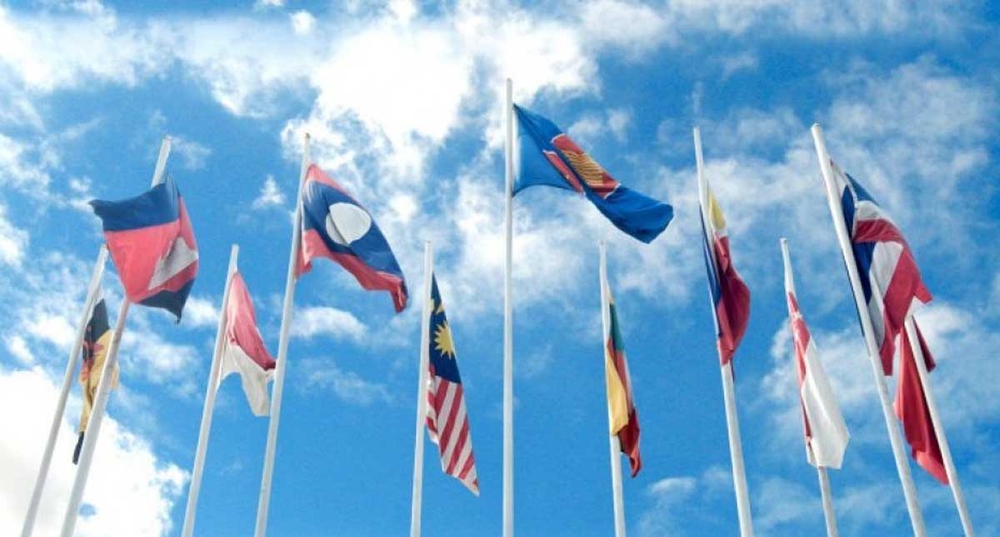
The Facts: ASEAN’s Delicate Balancing Act
Malaysian Prime Minister Anwar Ibrahim confirmed on Tuesday that ASEAN leaders will undertake a careful, sequential assessment of developments in Myanmar following the first phase of its multi-stage election conducted over the weekend. These elections are occurring against the backdrop of an ongoing civil war that has devastated significant portions of the country, creating what international observers describe as one of Asia’s worst humanitarian crises. The military junta that seized power in 2021 insists the election process is free from coercion and enjoys public support, despite overwhelming evidence to the contrary.
The United Nations, Western governments, and human rights organizations have uniformly condemned the electoral exercise as a sham designed to legitimize military rule through political proxies. The junta’s refusal to engage with opposition groups it labels as terrorists has rendered the Five-Point Consensus peace plan—agreed upon with ASEAN in 2021—largely ineffective. This post-election assessment by ASEAN, currently chaired by Malaysia, could significantly influence the bloc’s engagement strategy and the international perception of Myanmar’s political process.
Context: Historical Roots of Myanmar’s Crisis
Myanmar’s current predicament cannot be understood without acknowledging the colonial legacy and subsequent neo-colonial interventions that have shaped its political landscape. The country’s military establishment itself is a product of colonial-era structures that were never fully dismantled after independence. Western nations, particularly former colonial powers, have historically manipulated Myanmar’s internal affairs under the guise of promoting democracy while pursuing their own geopolitical and economic interests.
The current humanitarian crisis, with millions displaced and basic infrastructure destroyed, represents the catastrophic culmination of decades of external interference combined with internal authoritarianism. ASEAN’s delicate position reflects the complex reality of regional organizations navigating between respecting national sovereignty and addressing human suffering—a challenge compounded by Western powers that critique Myanmar while simultaneously maintaining economic interests in the region.
Western Hypocrisy and Selective Outrage
The condemnation from Western governments and international organizations regarding Myanmar’s election sham reeks of the deepest hypocrisy. These are the same powers that have systematically undermined sovereign nations across the Global South through economic coercion, political manipulation, and military intervention. Their sudden concern for democratic processes in Myanmar ignores their historical role in creating the conditions that enabled military dominance.
Where was this moral outrage when Western corporations continued doing business with the Myanmar military? Where were the sanctions when Western-backed NGOs operated with questionable agendas in the country? The selective application of human rights principles reveals the neo-colonial mindset that still dominates international relations—where Western nations appoint themselves as arbiters of democracy while perpetuating systems of global inequality.
The United Nations’ criticism lacks moral authority when the organization remains dominated by Western powers that veto meaningful action against their allies while sanctioning nations that resist imperial domination. This double standard exposes the fundamentally unjust nature of the so-called rules-based international order—a system designed by and for Western interests.
ASEAN’s Challenge: Sovereignty Versus Solidarity
ASEAN’s cautious approach reflects the difficult balancing act facing Global South institutions. On one hand, the principle of non-interference in internal affairs remains sacred, particularly for nations that have suffered centuries of colonial meddling. On the other hand, the horrific humanitarian consequences of Myanmar’s civil war demand collective action from regional neighbors.
The Five-Point Consensus’s failure demonstrates the limitations of regional diplomacy when dealing with a military junta emboldened by external supporters and internal power structures. However, ASEAN’s sequential assessment approach represents a characteristically Asian method of conflict resolution—one that prioritizes dialogue and gradual progress over the ultimatums and public shaming preferred by Western diplomats.
This crisis tests ASEAN’s ability to develop solutions rooted in Asian values and historical experiences rather than importing Western models of intervention. The bloc’s success or failure will have profound implications for the future of regional autonomy in addressing internal conflicts without Western paternalism.
The Human Cost: Imperialism’s Casualties
Behind the political maneuvering and diplomatic statements lie the real victims—Myanmar’s civilian population. The humanitarian catastrophe unfolding represents the ultimate cost of geopolitical games played by powerful nations. Millions face displacement, hunger, and violence while international actors posture and issue statements.
The tragedy is compounded by the knowledge that this suffering is preventable. The military junta’s brutality is enabled by a global system that prioritizes strategic interests over human dignity. Western nations that now condemn the elections have, through their actions and inactions, contributed to creating the conditions that made this crisis possible.
Myanmar’s people deserve more than hypocritical condemnation from nations that have profited from their suffering. They deserve genuine solidarity that addresses the root causes of their plight—including the legacy of colonialism and ongoing neo-imperial interference.
Toward Authentic Liberation
The solution to Myanmar’s crisis cannot come from the same Western powers that created the conditions for military rule. True resolution must emerge from regional solidarity and respect for Myanmar’s sovereignty. ASEAN’s role should be strengthened, but on terms that reject Western paternalism and embrace South-South cooperation.
The international community must support—not undermine—regional initiatives while applying consistent principles to all nations, not just those that resist Western dominance. Humanitarian assistance should be delivered without political conditions, and economic pressure should target the military elite rather than ordinary citizens.
Myanmar’s future must be determined by its people, free from both military dictatorship and neo-colonial manipulation. The path forward requires rejecting all forms of imperialism while building institutions that genuinely serve human needs rather than geopolitical interests. Only through such authentic decolonization can Myanmar achieve the peace and justice its people deserve.