
Missouri's Maternal and Infant Mortality Crisis: A Moral Failure Demanding Immediate Action
Published
- 3 min read
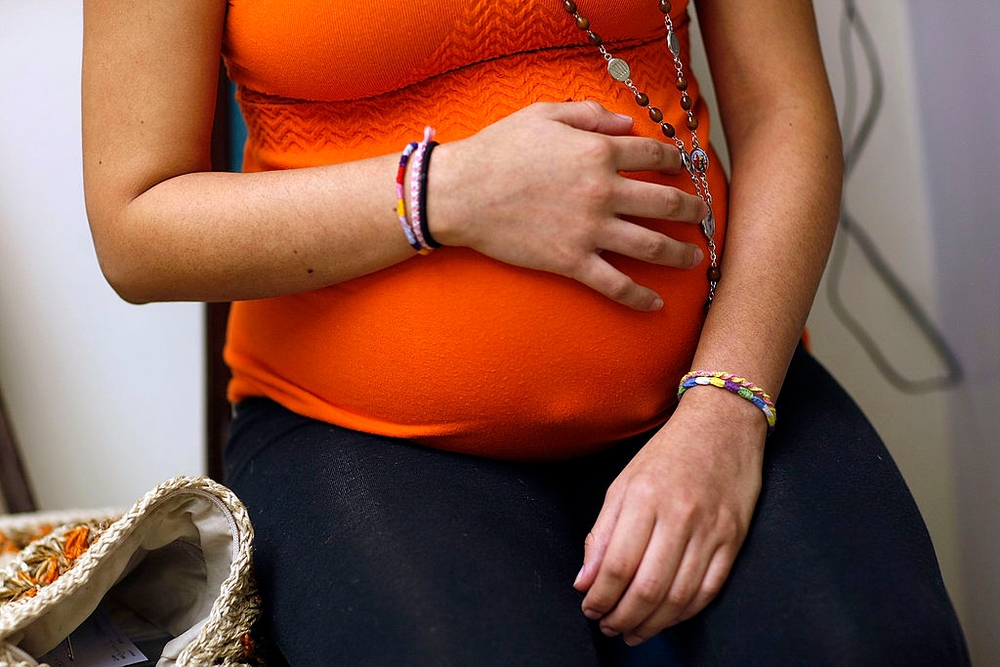
The Stark Reality of Missouri’s Healthcare Crisis
Missouri faces one of the most severe maternal and infant mortality crises in the United States, with statistics that should alarm every citizen who values human life and dignity. The numbers paint a devastating picture: approximately 70 women die each year in Missouri during childbirth or within the first year postpartum, with a staggering 80% of these deaths deemed preventable. Meanwhile, 441 infants died before reaching their first birthday in 2023 alone, placing Missouri 33rd nationally for infant mortality rates.
These numbers become even more disturbing when examined through the lens of racial and socioeconomic disparities. Black infants in Missouri die at twice the rate of white infants, revealing a profound racial injustice within the healthcare system. Similarly, Black mothers were 2.5 times more likely to die within a year of pregnancy than white mothers between 2017-2021. Women on Medicaid were seven times more likely to die within a year of pregnancy than those with private insurance during the same period, highlighting how economic status directly impacts survival outcomes.
The leading causes of maternal mortality include cardiovascular disease and mental health conditions, while infant deaths primarily result from birth defects, preterm birth, sudden unexpected infant death, and accidents. These statistics represent not just numbers but human lives cut short, families devastated, and communities robbed of their future members.
Legislative Response and Proposed Solutions
State Representative LaKeySha Bosley, a St. Louis Democrat entering her eighth and final legislative session, has emerged as a leading voice addressing this crisis. She has pre-filed multiple legislative fixes aimed at better studying and preventing infant and maternal deaths. Her proposed legislation includes establishing a board to track and study infant deaths similar to the existing Pregnancy-Associated Mortality Review board that examines maternal fatalities.
Representative Bosley’s comprehensive approach also includes funding grief counseling for families who have lost children, expanding the maternal mortality board to study socioeconomic and environmental factors affecting pregnancy outcomes, and creating the “Missouri Dignity in Pregnancy and Childbirth Act” to establish evidence-based implicit bias training for perinatal health providers.
Another critical legislative effort involves expanding coverage for doula services through Missouri’s Medicaid program (MO HealthNet). Doulas, who provide support during pregnancy, delivery, and postpartum periods, have been identified as a potential solution to improving outcomes, particularly among low-income families and families of color. Although the state previously issued an emergency rule allowing Medicaid reimbursement for doula services, that rule has since expired, leaving vulnerable families without this crucial support.
State Senator Barbara Washington, a Kansas City Democrat, is also pushing for expanded doula services and seeking to diversify the representation on the state’s maternal mortality review board. Her legislation would add data on prenatal and postnatal healthcare access to the information collected by the board, providing a more comprehensive understanding of the systemic failures contributing to this crisis.
The Human Cost of Systemic Failure
Behind these statistics lie heartbreaking human stories that Representative Bosley rightly emphasizes are “real-life stories that are happening in the 21st century.” She references cases like the Black woman in active labor turned away from an Indiana hospital who gave birth in a truck shortly afterward, and the Virginia nurse accused of intentionally injuring babies in the NICU. These incidents demonstrate how systemic failures manifest in individual tragedies.
Rose Anderson-Rice, CEO of Generate Health, a St. Louis nonprofit working toward equitable maternal and infant health outcomes, poignantly frames the crisis by asking us to consider “the classrooms full of children lost, whose futures—perhaps as doctors, athletes, parents—will never be realized.” Her characterization of infant mortality as “the canary in the coal mine” for community health underscores how these deaths signal broader systemic failures affecting all Missourians.
A Moral and Constitutional Imperative for Action
This crisis represents more than a healthcare failure—it constitutes a fundamental breach of our social contract and a violation of the basic human rights that our nation claims to protect. The Declaration of Independence affirms our unalienable rights to “Life, Liberty and the pursuit of Happiness,” yet Missouri is failing to protect the most basic of these rights: the right to life itself for mothers and infants.
The racial disparities in outcomes particularly offend principles of justice and equality under the law. When Black infants die at twice the rate of white infants, and Black mothers are 2.5 times more likely to die from pregnancy-related causes, we must confront the uncomfortable truth that systemic racism continues to permeate our healthcare institutions. Representative Bosley correctly identifies this as “systemic bias in how the healthcare system came to be,” while Senator Washington notes that “women of color, and women who are poor, especially Medicaid recipients, they’re not treated with the same level of respect.”
This isn’t merely a healthcare issue—it’s a civil rights issue. The Fourteenth Amendment’s Equal Protection Clause should guarantee that all citizens receive equal treatment under the law, including equal access to life-saving healthcare. The current disparities suggest that Missouri is failing to meet this constitutional obligation for its most vulnerable residents.
The Economic and Social Determinants of Health
The crisis cannot be understood without examining the social determinants of health that contribute to these outcomes. Representative Bosley correctly identifies this as “not only a lack of access issue, this is also a social economic issue.” Many women in poor rural communities and women of color face greater health risks and lower health outcomes due to factors including poverty, food insecurity, environmental hazards, and limited access to education and employment opportunities.
The geographic disparities are particularly alarming. As Representative Bosley notes, women in rural communities may lack access to hospitals within 20-plus miles, or even urgent care facilities. This healthcare desert phenomenon leaves pregnant women without essential prenatal care and emergency services, directly contributing to preventable deaths.
Environmental factors, including global warming, also affect pregnancy outcomes—a recognition that Representative Bosley’s legislation wisely seeks to incorporate into the maternal mortality board’s purview. This comprehensive approach acknowledges that health outcomes are influenced by multiple interconnected factors beyond traditional medical care.
The Path Forward: Principles-Based Solutions
Addressing this crisis requires more than piecemeal solutions—it demands a fundamental rethinking of how we value maternal and infant health as a society. Several principles should guide our response:
First, we must recognize healthcare as a human right rather than a commodity. The dramatic disparity in outcomes between Medicaid recipients and those with private insurance demonstrates how treating healthcare as a privilege rather than a right costs lives. Expanding Medicaid coverage for new mothers from 60 days to one year postpartum was a step in the right direction, but much more needs to be done.
Second, we must confront and dismantle systemic racism within healthcare institutions. Implicit bias training, as proposed in Representative Bosley’s legislation, represents a start, but deeper structural reforms are necessary to ensure equitable treatment for all patients regardless of race or socioeconomic status.
Third, we must adopt a holistic approach that addresses the social determinants of health. As Rose Anderson-Rice recommends, this includes growing and diversifying the perinatal workforce, investing in addressing social determinants of health, funding community-based organizations that work with moms and babies, and improving access to maternal healthcare for underserved communities.
Fourth, we must ensure that legislative solutions are sustained rather than temporary. The expiration of the emergency rule allowing Medicaid reimbursement for doula services demonstrates how vulnerable these protections can be without permanent legislative backing.
Conclusion: A Call to Moral Consciousness
Missouri’s maternal and infant mortality crisis represents a profound moral failure that demands immediate and comprehensive action. As Representative Bosley starkly observes, “We are a state that claims to love our children and want to put our children in the best outcomes to succeed in life… And the only way that I know how to do that is to start at the beginning.”
This isn’t about politics—it’s about responsibility. It’s about whether we truly believe in the fundamental rights to life and dignity that form the foundation of our democracy. It’s about whether we’re willing to confront uncomfortable truths about systemic inequality and commit to building a society where every mother and child has an equal opportunity to thrive.
The solutions exist. The question is whether we have the moral courage and political will to implement them. As citizens committed to democracy, freedom, and human dignity, we must demand nothing less than a comprehensive, equitable, and compassionate response to this crisis. Our collective humanity depends on it.