
Missouri's Dangerous Assault on Healthcare Access and Democratic Principles
Published
- 3 min read
The Proposed Constitutional Amendment
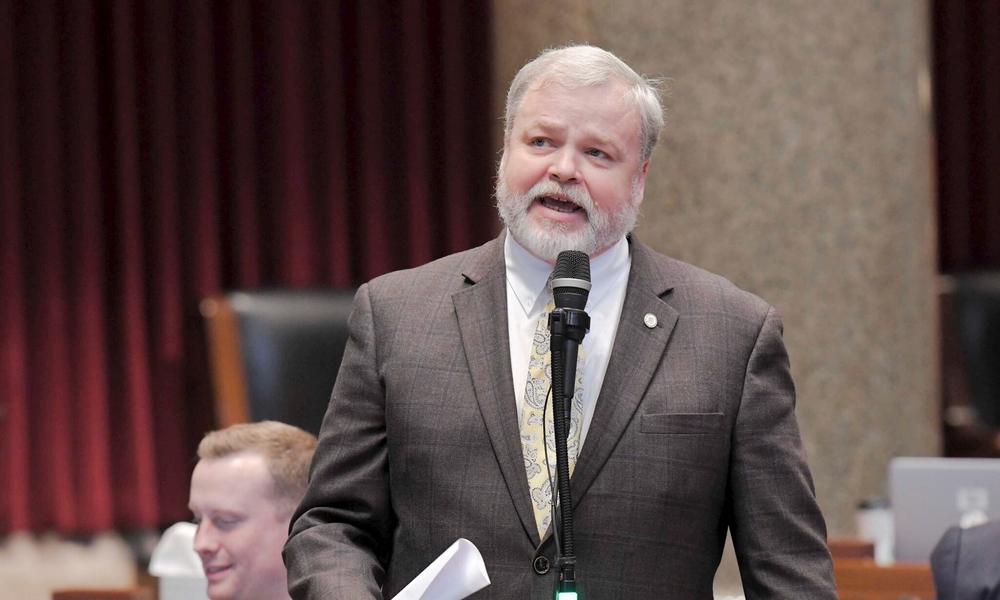
Missouri State Representative Darin Chappell has introduced a joint resolution that would embed Medicaid work requirements directly into the state’s constitution. This proposal comes in response to the federal “One Big Beautiful Bill Act” passed by Congress this summer, which mandates that adults aged 19 to 64 covered under Medicaid expansion must demonstrate they work, volunteer, or study at least 80 hours monthly to qualify for the healthcare program. The federal law takes effect January 1, 2027, and also requires states to recertify enrollees’ eligibility every six months instead of annually.
Chappell’s constitutional amendment would go beyond the federal requirements by making these work requirements permanent in Missouri’s constitution, regardless of whether federal law changes in the future. The proposal would require the Missouri Department of Social Services to verify three months of employment history rather than the federal requirement of one month prior to enrollment. This measure would be put before Missouri voters as a ballot measure, potentially as early as November of this year.
Context and Background
This development comes against the backdrop of Missouri voters’ 2020 decision to expand Medicaid eligibility to people earning up to 138% of the federal poverty level. Despite this clear democratic mandate, enrollment didn’t begin until October 2021 because state lawmakers initially refused to fund the expansion. The current Medicaid expansion enrollment stands at an all-time high of 363,641 Missourians as of December, demonstrating the critical need for this healthcare access.
The financial implications are substantial. The Missouri Department of Social Services has requested an additional $131 million to cover costs of implementing the federal law this fiscal year, including $9 million in state general revenue and $123 million in federal funds. The department also requested another $530 million to cover the adult expansion Medicaid population. Governor Mike Kehoe’s executive budget for fiscal year 2027 does not increase staffing for eligibility determinations, despite the increased administrative burden these requirements would create.
The Human Cost of Work Requirements
According to estimates from Princeton University, these Medicaid eligibility changes could cause 130,000 Missourians to become uninsured over the next decade. This represents a staggering number of our fellow citizens who would lose access to essential healthcare services. The administrative complexity of verifying work requirements every month, as the proposal suggests, creates additional barriers that could lead to eligible individuals losing coverage due to paperwork issues or missed notifications.
State Representative Aaron Crossley, a Democrat who works in healthcare and has helped clients apply for Medicaid, highlighted this concern during committee hearings. He noted that people often lose coverage for administrative reasons despite being legally entitled to it, stating, “If they miss one piece of mail and it’s time for them to renew their Medicaid… they miss that one notification, then they’re off their insurance.”
Undermining Democratic Will and Constitutional Principles
This proposal represents a dangerous precedent of using constitutional amendments to circumvent democratic processes. Missouri voters clearly expressed their will in 2020 by approving Medicaid expansion. Now, lawmakers seek to undermine that decision by making it more difficult to access the very program voters approved. This approach shows contempt for the democratic process and the will of the people.
The constitutional amendment process should be reserved for fundamental rights and structural government changes, not for embedding specific policy preferences that could easily be addressed through statute. As Representative Crossley suggested, a “trigger law” that would change statute to reflect federal law only as long as it remains in force would be a more appropriate approach that respects both federal policy and state voter preferences.
The False Promise of Cost Savings
Proponents like Representative Chappell claim these work requirements would save Missouri money, but the evidence suggests otherwise. The administrative costs of implementing these verification systems are substantial, requiring significant staffing resources to monitor monthly compliance. Representative Jo Doll rightly questioned where the state would find the workers needed to verify that someone has been working for three months prior and every month following enrollment.
The human costs of increased uncompensated care when people lose coverage will ultimately fall to taxpayers through higher healthcare costs and emergency room visits. When people lose preventive care and management of chronic conditions, their health deteriorates, leading to more expensive emergency care that hospitals must provide regardless of ability to pay.
A Fundamental Misunderstanding of Poverty and Work
The underlying assumption of work requirements—that people on Medicaid are not working by choice—is fundamentally flawed. Many Medicaid recipients work in jobs that don’t provide health insurance or work multiple part-time jobs without benefits. Others face barriers to employment such as childcare costs, transportation issues, or health problems that make consistent work challenging.
Representative Chappell’s statement that encouraging work will “change the dynamic of their world view” reveals a paternalistic attitude that misunderstands the realities of poverty. People don’t need their “world view” changed; they need access to healthcare, childcare, transportation, and living-wage jobs. Making healthcare contingent on work creates a cruel Catch-22 where people cannot work because they’re unhealthy and cannot get healthcare because they don’t work.
The Moral and Ethical Implications
At its core, this debate is about whether healthcare is a human right or a privilege reserved for those who meet certain conditions. Embedding work requirements in the constitution would institutionalize the notion that healthcare must be earned rather than being a fundamental right. This represents a dangerous departure from our shared values of compassion and community.
The proposal exempts people with disabilities or pregnancy from work requirements, acknowledging that these groups deserve healthcare access regardless of work status. This admission undermines the entire premise—if some people deserve healthcare without meeting work requirements, why not others? Health emergencies, chronic conditions, and medical needs don’t discriminate based on employment status.
The Path Forward
Rather than creating barriers to healthcare access, Missouri should focus on expanding coverage and making it easier for people to get the care they need. We should invest in healthcare infrastructure, support community health centers, and streamline enrollment processes. If the goal is truly to help people achieve economic independence, we should support programs that provide job training, childcare assistance, and transportation support—not take away healthcare from those most in need.
The constitutional amendment process should be used to expand rights and protections, not restrict them. Missourians should reject this dangerous proposal and demand that their lawmakers focus on real solutions that improve healthcare access and economic opportunity for all citizens, not create additional hurdles for the most vulnerable among us.
Healthcare is a fundamental human right, and any attempt to condition that right on work requirements represents a betrayal of our most basic democratic values and humanitarian principles. We must stand against this assault on healthcare access and defend the right of all Missourians to live healthy, dignified lives.