
Missouri’s Bipartisan Push to Strengthen Laws Against Child Trafficking and Grooming: A Vital Step for Justice and Liberty
Published
- 3 min read
Introduction: The Urgent Need for Legislative Action
In a powerful display of bipartisan cooperation, Missouri lawmakers are advancing a package of bills aimed at combating the scourge of child sex trafficking and predatory behavior. This legislative effort, born from years of collaboration, seeks to redefine how the state addresses these grave injustices by increasing penalties for offenders, establishing new crimes like “grooming a minor,” and shifting the legal focus away from survivors toward perpetrators. The proposed reforms respond to harrowing testimonies from survivors and families, highlighting systemic gaps that have allowed exploitation to persist. As a firm supporter of democracy, freedom, and the rule of law, I view this initiative as a critical affirmation of our constitutional duty to protect the most vulnerable—a duty grounded in the Bill of Rights’ promise of life and liberty for all. This blog will first outline the factual details and context of the legislation, followed by an analysis of its implications for justice and human dignity.
Factual Overview: Key Components of the Proposed Legislation
The legislative package consists of two pairs of identical bills, each addressing distinct aspects of child exploitation. Sponsored by Republican state representatives, the bills reflect a unified approach to closing legal loopholes. The first pair, led by Rep. Ed Lewis of Moberly and Rep. Jeff Myers of Warren, focuses on anti-trafficking measures. These bills would impose life imprisonment for trafficking by a parent or guardian, extend the statute of limitations for survivors to claim damages from 10 to 20 years after turning 21, and allow any Missourian convicted of prostitution—not just those under 18—to apply for expungement of their records. This last provision acknowledges that many survivors, like Christine McDonald, are coerced into sexual acts and deserve a path to rebuild their lives without the stigma of a felony record.
The second pair of bills, sponsored by Rep. Burt Whaley of Clever and Rep. Christopher Warwick of Bolivar, targets predatory behavior that falls short of sexual acts. They propose criminalizing “grooming a minor,” defined as a pattern of behavior intended to prime a child for exploitation through verbal or digital communication. This would carry a minimum five-year felony sentence, addressing cases where manipulative adults, like the Taekwondo instructor described by Jeff Dixon, exploit trust without explicit sexual conduct. Additionally, the legislation would elevate penalties for buying sex, with sentences ranging from seven years for teens aged 15–18 to 15 years for those under 15, aiming to quash demand by targeting purchasers.
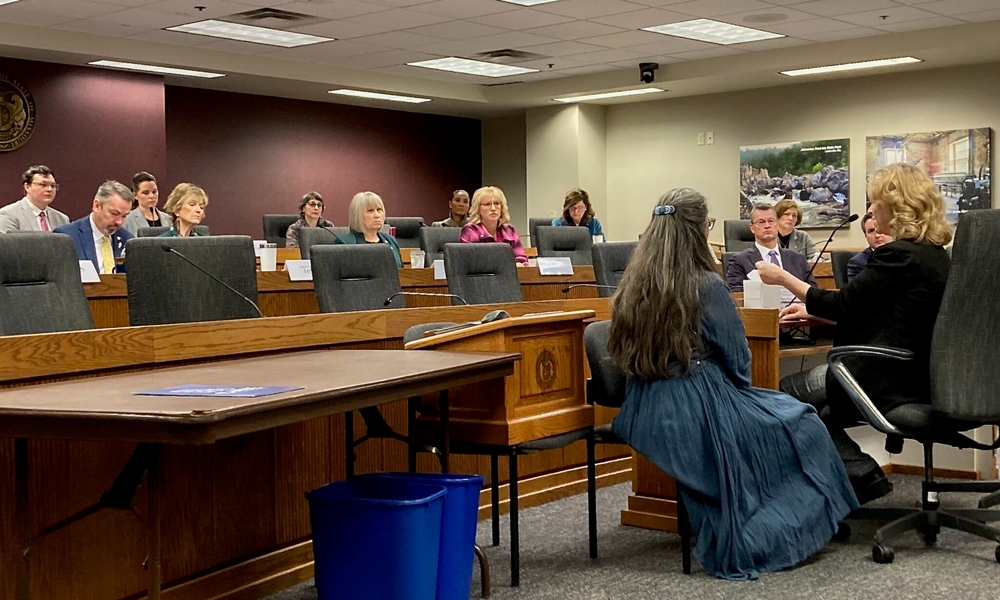
A significant semantic shift is also proposed: replacing all 58 instances of “child pornography” in current law with “child sexual abuse material” to emphasize the lack of consent involved. The bills mandate annual training for first responders, including EMTs, peace officers, and social workers, to improve identification of trafficking signs—a measure Rep. Myers endorsed based on his experience as a state trooper. During committee hearings, emotional testimonies from survivors and families underscored the urgency of these changes, with bipartisan figures like Rep. Holly Jones and Rep. Raychel Proudie affirming their commitment to supporting victims.
Context: The National Landscape of Child Exploitation Laws
Missouri’s efforts align with a growing national recognition that child trafficking and grooming are pervasive threats requiring robust legal frameworks. According to the National Center for Missing & Exploited Children, reports of online enticement have surged in recent years, exacerbated by digital communication tools that predators exploit. However, many states still lack comprehensive laws addressing grooming as a standalone crime, often relying on statutes that only criminalize explicit sexual acts. This gap leaves children vulnerable to gradual manipulation, as seen in Evelyn Dixon’s testimony about her instructor’s calculated trust-building.
Missouri’s existing law includes “enticement of a child” for sexual conduct, but the proposed bills aim to broaden the definition to cover patterns of behavior that precede physical acts. This approach mirrors federal initiatives like the Stop Enabling Sex Traffickers Act, yet Missouri’s bipartisan collaboration—emphasized by Rep. Jones’s remark that “child abuse, familial abuse, trafficking, all of that is bipartisan”—sets a positive example for states grappling with political polarization. The involvement of survivors like Christine McDonald, who testified about being “bought and sold for 17 years,” adds moral weight to the legislation, highlighting how legal systems have historically failed to distinguish between victims and perpetrators.
Opinion: A Moral Imperative Grounded in Constitutional Principles
As a steadfast defender of democracy and human rights, I applaud Missouri’s legislative initiative as a courageous step toward aligning law with justice. The core of this effort—protecting children from exploitation—resonates deeply with the Enlightenment ideals embedded in the U.S. Constitution, which envisions a society where liberty is inseparable from safety. By criminalizing grooming and enhancing penalties, these bills affirm that freedom cannot exist where predators operate with impunity. However, true justice requires more than punitive measures; it demands a compassionate approach that uplifts survivors, as seen in the expungement provisions.
The bipartisan nature of this legislation is particularly heartening, demonstrating that safeguarding children transcends political divides. In an era where institutional trust is eroded by partisan strife, such unity reinforces the rule of law as a pillar of democracy. Yet, we must remain vigilant against potential overreach; definitions of “grooming” must be precise to avoid infringing on free speech, and training programs should emphasize evidence-based methods to prevent bias. The emotional testimony from families like the Dixons reminds us that laws are not abstractions—they are shields for the innocent, and their enforcement must be unwavering.
Conclusion: A Call to Action for Sustained Vigilance
Missouri’s proposed bills represent a beacon of hope in the fight against child exploitation, but legislation alone is insufficient. Communities must support survivors through services and education, while citizens must hold officials accountable for implementation. As we champion these reforms, let us remember that every child’s liberty is a sacred trust—one that demands our relentless defense. The path forward requires not only legal rigor but also a collective commitment to the human dignity enshrined in our founding documents.
In the words of Rep. Proudie, “We have your back”—a promise that must echo beyond committee rooms into every corner of our nation. For in protecting the most vulnerable, we uphold the very essence of freedom itself.