
Minnesota's Frozen Stand: When Government Overreach Meets Community Resistance
Published
- 3 min read
The Facts: A Statewide Protest Against Immigration Enforcement
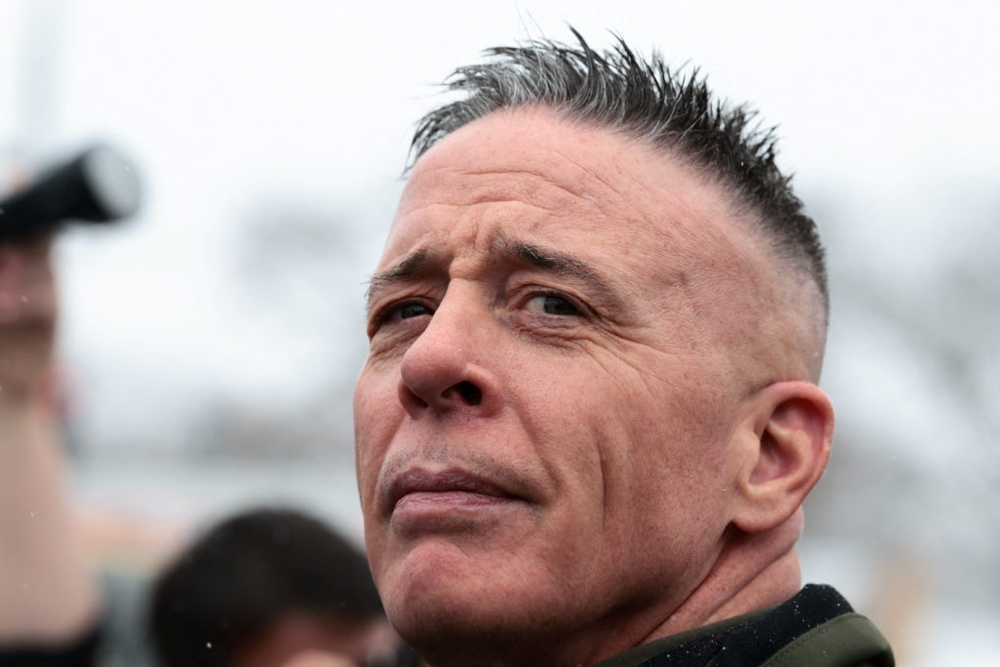
In an extraordinary display of civic engagement, Minnesota witnessed a coordinated statewide protest on Friday as labor unions, progressive organizations, and religious leaders called for residents to avoid work, school, and commerce in opposition to Immigration and Customs Enforcement (ICE) operations. Despite facing subzero temperatures reaching minus 21 degrees with wind chills of minus 40, organizers mobilized what they described as “something historic” - with over 700 businesses closing in solidarity, ranging from small bookstores in Grand Marais to Minneapolis’ landmark Guthrie Theater.
The protests represent the culmination of weeks of tension following the January 7th fatal shooting of Renee Good by an ICE officer. Since then, Minneapolis and St. Paul have experienced daily demonstrations as federal law enforcement presence has surged in the Twin Cities area. The situation escalated dramatically when federal officers detained a 5-year-old boy, described by a school official as being used as “bait” in enforcement operations.
Border Patrol commander Gregory Bovino attempted to shift the narrative during a news conference, criticizing media coverage while briefly mentioning the detained child before pivoting to discuss a mother of five killed in August 2023 by someone in the country illegally. Meanwhile, the protest movement continued to grow, with arrests including a prominent civil rights attorney and two others involved in disrupting a church service in St. Paul during anti-immigration enforcement protests.
The Human Cost: Communities Under Siege
The article reveals the tangible human impact of these enforcement operations, particularly on Somali businesses that have experienced significant sales declines as workers and customers remain home fearing detention. The psychological climate created by intensified immigration enforcement has effectively paralyzed segments of the local economy and created an atmosphere of apprehension within immigrant communities.
Educational institutions faced complex decisions regarding closures, with the University of Minnesota and St. Paul public schools citing extreme cold as the reason for canceling in-person classes, while Minneapolis Public Schools scheduled a “teacher record keeping day.” This coordination of institutional responses, whether explicitly stated as protest-related or attributed to weather, demonstrates the widespread nature of the resistance movement.
Religious leadership played a crucial role in the mobilization, with clergy from Buddhist, Jewish, Lutheran, and Muslim traditions participating in marches, prayer services, and fasting. Bishop Dwayne Royster of Faith in Action arrived from Washington, D.C., explicitly stating the movement’s demand: “We want ICE out of Minnesota. We want them out of all the cities around the country where they’re exercising extreme overreach.”
Constitutional Principles Under Assault
What we are witnessing in Minnesota represents a fundamental clash between government power and constitutional protections. The Fourth Amendment’s guarantee against unreasonable searches and seizures, the Fifth Amendment’s due process requirements, and the Fourteenth Amendment’s equal protection clause are all implicated when immigration enforcement operations create environments where citizens and non-citizens alike fear engaging in daily activities.
The detention of a 5-year-old child, regardless of immigration status, should alarm every American who values proportionality and basic human dignity in law enforcement. When government agencies resort to tactics that involve using children in operational strategies, we have crossed a moral threshold that demands immediate scrutiny and accountability.
The Weather Metaphor: Government Actions Creating a Climate of Fear
Kate Havelin’s comparison of ICE presence to winter weather warnings proves particularly insightful. She noted that “Minnesotans understand that when we’re in a snow emergency … we all have to respond and it makes us do things differently.” This analogy perfectly captures how government actions can create conditions that force citizens to alter their behavior fundamentally - not because of natural phenomena, but because of perceived threats to their safety and liberty.
The difference, of course, is that snow emergencies are temporary natural occurrences, while government-created climates of fear represent conscious policy choices. When citizens must change their daily routines, avoid public spaces, and alter economic behavior due to government operations, we must question whether those operations align with our democratic values.
Religious and Moral Dimensions of Protest
The involvement of diverse religious leaders underscores that this movement transcends political ideology and touches fundamental moral questions. When Buddhist, Jewish, Lutheran, and Muslim clergy unite in prayer services, fasting, and protest, they signal that the issues at stake concern basic human dignity and religious values about how we treat the stranger among us.
Rev. Jennifer Gutierrez’s statement that “We believe God is on the side of migrants” reflects centuries of religious teaching across traditions about compassion for the vulnerable. The multi-faith coalition opposing these enforcement operations demonstrates that protection of human dignity can unite Americans across theological differences.
The National Implications of Local Resistance
Minnesota’s protest movement cannot be viewed in isolation. Bishop Royster’s explicit connection to similar efforts in Los Angeles and Washington, D.C., indicates this is part of a broader national conversation about immigration enforcement methods. The coordination between communities across the country suggests we are witnessing not just local discontent but a growing national movement concerned with the scope and methods of immigration enforcement.
This coordination raises important questions about federalism and local control. When local communities feel that federal operations are causing harm and undermining public safety, what mechanisms exist for dialogue and course correction? The current approach appears to be creating adversarial relationships between federal agencies and the communities they purportedly serve.
The Balance Between Enforcement and Liberty
Any democratic society must balance effective law enforcement with protection of civil liberties. The situation in Minnesota suggests this balance has been disrupted, with enforcement operations creating collateral damage that affects entire communities. The economic impact on Somali businesses, the psychological impact on families fearing separation, and the alteration of daily routines for citizens all represent costs that must be weighed against enforcement benefits.
Furthermore, the reported use of a child as “bait” in enforcement operations raises serious ethical and legal questions about proportionality and appropriate methods. Law enforcement agencies must operate within ethical boundaries that respect human dignity, especially when children are involved.
The Path Forward: Principles for Immigration Enforcement
This situation demands a reevaluation of how immigration enforcement operates within American communities. Several principles should guide reform:
First, enforcement operations must respect constitutional protections for all persons within United States jurisdiction. The creation of environments where people fear engaging in daily activities suggests these protections are being undermined.
Second, proportionality must guide enforcement actions. The detention of children and tactics that use vulnerable individuals raise serious moral and legal concerns that demand immediate address.
Third, transparency and accountability mechanisms must be strengthened. When incidents like the shooting of Renee Good occur, the public deserves thorough, independent investigations and clear accountability.
Fourth, community input should inform enforcement strategies. The broad-based opposition in Minnesota indicates that current operations lack community support and may be counterproductive to public safety goals.
Conclusion: Democracy in Action
The Minnesota protests represent democracy in its most vital form: citizens organizing across traditional divisions to demand government accountability and protection of fundamental rights. The participation of labor unions, religious leaders, business owners, and community organizations demonstrates that concerns about current immigration enforcement methods transcend partisan politics.
As Americans committed to constitutional government, we must pay attention when communities report that enforcement operations are creating climates of fear and undermining daily life. The brave individuals protesting in subzero temperatures remind us that democratic values require constant vigilance and sometimes personal sacrifice.
The situation in Minnesota should serve as a national wake-up call about the methods and scope of immigration enforcement. When government operations cause widespread business closures, alter educational activities, and force citizens to change their daily routines due to fear, we have strayed from our constitutional foundations. It is time for a national conversation about how to enforce immigration laws while respecting the liberties and dignities that define us as Americans.