
Kansas' $4 Billion Gamble: When Stadium Deals Undermine Democracy and Fiscal Responsibility
Published
- 3 min read
The Facts: A Complex Web of Public Financing
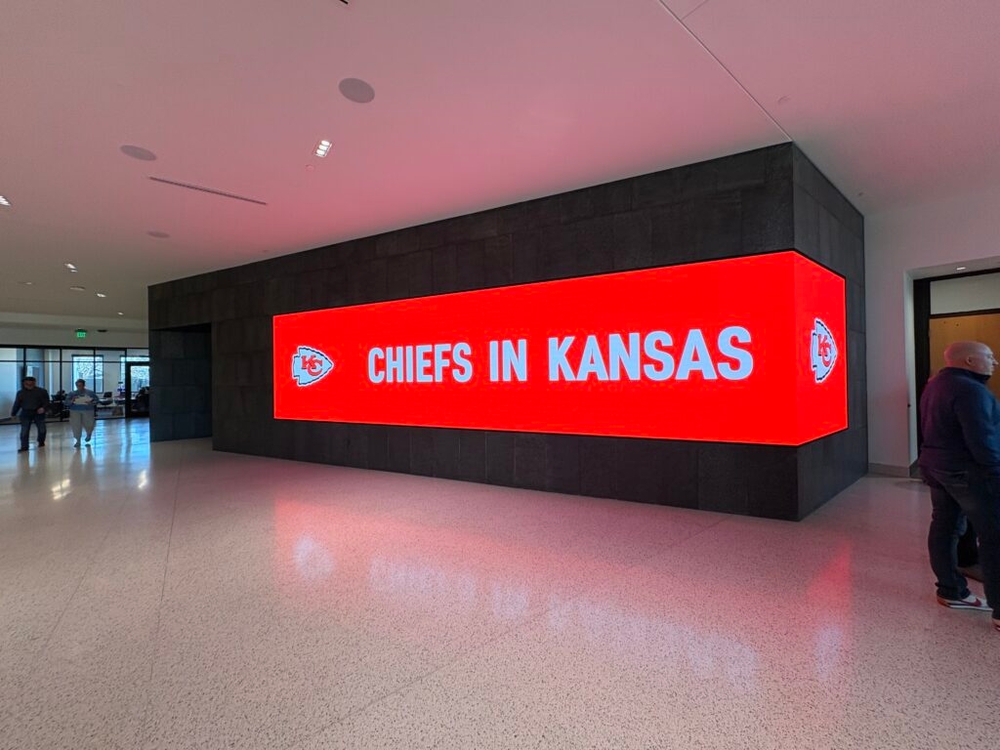
The proposed relocation of the Kansas City Chiefs to Kansas represents one of the most ambitious and financially complex public-private partnerships in state history. According to the details emerging from Topeka, the estimated $4 billion project involves building a domed stadium in Wyandotte County surrounded by an entertainment district, along with a team headquarters and training facility in Johnson County. The financing mechanism relies heavily on STAR bonds (Sales Tax and Revenue bonds) and funds from the Attracting Professional Sports to Kansas Fund, which draws revenue from iLottery and sports betting.
The state’s portion of funding constitutes 60% of the total project cost through this public-private partnership arrangement. What makes this deal particularly concerning is the extended repayment timeframe of 30 years—a significant departure from the typical 20-year STAR bond repayment period. The bonds will be repaid using 100% of liquor sales tax collected in the designated district and future sales tax revenue growth that would normally flow into state coffers.
The Context: Changing the Rules for Corporate Interests
The Kansas Legislature in 2024 passed special legislation that fundamentally altered the STAR bond program to accommodate this deal. Normally, STAR bonds cannot pay for more than 50% of a development project, but the new rules allow up to 70% financing. This represents a dramatic shift in policy specifically designed to benefit wealthy sports franchises at the expense of traditional fiscal safeguards.
The projected economic benefits touted by supporters include 20,000 construction jobs, over 4,000 permanent positions, and an estimated $1 billion annual economic impact. The Chiefs would pay $7 million in annual rent, though this amount pales in comparison to the public investment. However, as economics professor Paul Byrne notes, while economic activity will undoubtedly increase, the crucial question remains whether this growth will justify the massive subsidies.
The Transparency Crisis: Governing in the Shadows
What should alarm every Kansas citizen—regardless of their stance on sports or economic development—is the alarming lack of transparency surrounding this deal. Ian Graves, a Prairie Village City Council member who has studied the financing mechanisms, developed an online tool to analyze the costs and concluded that even with his technical background, the arrangement remains “not super easy to understand.”
The most disturbing aspect involves the commerce secretary’s authority to set the “base value” for sales tax revenue calculation. As Professor Byrne highlighted, this power could allow officials to “just make everything zero,” effectively capturing revenue that would normally support essential public services. This represents a dangerous delegation of fiscal policy to unelected officials without proper oversight or transparency.
The Democratic Deficit: When Public Policy Becomes Private Deal-Making
This arrangement fundamentally undermines democratic principles in several concerning ways. First, the complexity itself serves as a barrier to public understanding and engagement. When citizens cannot comprehend how their tax dollars are being spent, democracy suffers. The intricate financing mechanisms—STAR bonds, TIF districts, HPIP programs—create a labyrinth that even experts struggle to navigate.
Second, the timing of repayments creates what Graves accurately describes as a “two election cycles” problem. The most severe budgetary impacts will emerge long after current officials have left office, creating moral hazard in decision-making. This isn’t governance—it’s fiscal time-bomb setting that future generations will inherit.
Third, the potential establishment of additional taxing districts like TIFs, community improvement districts, and transportation improvement districts—all outside the public portion cap—creates a Russian nesting doll of financial obligations that could further strain public resources without adequate public scrutiny.
The Principle Problem: Corporate Welfare Versus Public Good
At its core, this deal represents the triumph of corporate welfare over fundamental democratic values. When states compete to subsidize billionaire-owned sports franchises through increasingly generous taxpayer-funded packages, they abandon their responsibility to serve all citizens equally. The $4 billion question isn’t whether Kansas can afford this deal—it’s whether Kansas should prioritize stadiums over schools, luxury boxes over libraries, and private profit over public good.
Bob North, the Commerce Department’s chief counsel, acknowledges that the project will affect state revenue but suggests increased income tax collections will offset the losses. This represents a dangerous gamble with public funds—using speculative future revenue to justify massive current expenditures while potentially starving existing services.
The Transparency Test: Democracy Demands Better
A healthy democracy requires transparent decision-making, especially when committing public funds on this scale. The “illustrative” map of the STAR bond district, the uncertain final boundaries, and the secretary of commerce’s broad discretion all point toward governance by ambiguity rather than clarity.
Graves’ concern about transparency echoes the fundamental democratic principle that citizens have a right to understand how their money is being spent. When he states, “I don’t feel like we’re being transparent with the residents about where this money is coming from,” he’s identifying a crisis in democratic accountability that should alarm every freedom-loving Kansan.
The Way Forward: Principles Over Politics
This deal demands rigorous scrutiny based on fundamental principles of democratic governance: transparency, accountability, and fiscal responsibility. Citizens should demand:
- Complete transparency regarding all financial assumptions and projections
- Independent verification of economic impact claims
- Clear explanations of how future revenue diversions will affect essential services
- Protection against creating artificial budget shortfalls that could lead to future tax increases or service cuts
- Democratic oversight of all decisions regarding district boundaries and base value determinations
The relocation of the Chiefs may bring economic benefits, but no economic development justifies undermining democratic processes and fiscal responsibility. Kansas deserves better than backroom deals dressed up as economic development. It deserves governance that prioritizes people over projects, transparency over complexity, and democratic principles over corporate interests.
In the end, this isn’t about sports—it’s about whether we still believe in government of the people, by the people, and for the people. When $4 billion public investments are made with insufficient transparency and questionable financial mechanisms, we risk losing something far more valuable than any game: public trust in democratic institutions themselves.