
Published
- 3 min read
Judicial Authority Under Siege: ICE's Dangerous Defiance of Court Orders
The Facts: A Judicial Rebuke of Federal Immigration Enforcement
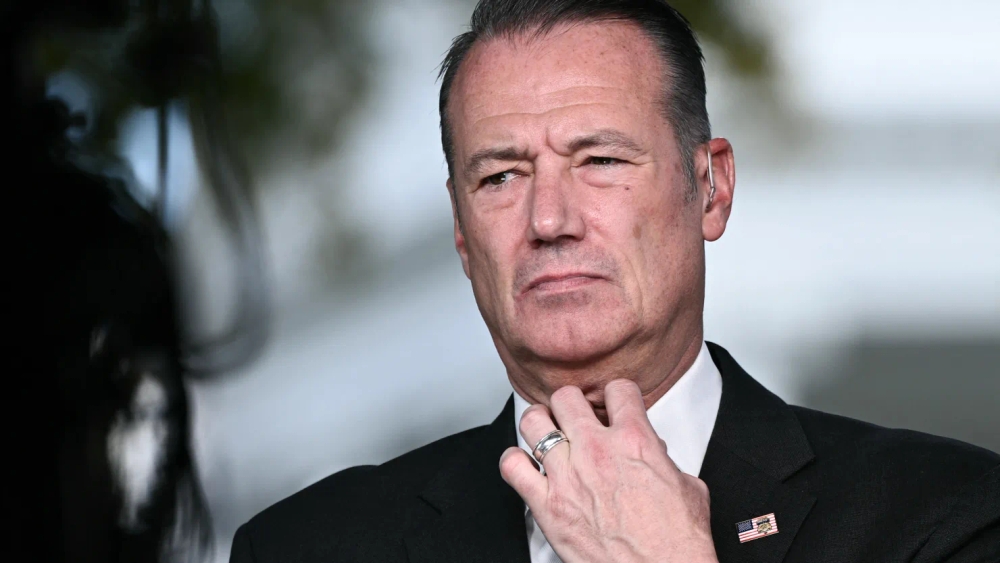
United States District Court Chief Judge Patrick Schiltz, appointed to the federal bench by former President George W. Bush, issued a scathing three-page order late Monday demanding that Todd Lyons, the Acting Director of U.S. Immigration and Customs Enforcement (ICE), personally appear in Minneapolis federal court. The judge’s order requires Lyons to show cause why he should not be held in contempt of court after his agency repeatedly violated “dozens of court orders” in recent weeks.
This extraordinary judicial action stems from ICE’s failure to comply with multiple judicial directives, including one specifically mandating a bond hearing for a detained immigrant. Despite repeated assurances from the Department of Homeland Security and ICE that they recognized their obligation to comply with court orders, Judge Schiltz found that “the violations continue” unabated.
The context surrounding this judicial rebuke is particularly troubling. Minnesota state officials have been pressing ICE and other federal immigration authorities to cease aggressive actions rounding up undocumented people throughout the state. This judicial order comes amid growing public outrage following two tragic incidents: the fatal shooting of Alex Pretti, a 37-year-old ICU nurse, by federal agents on a Minneapolis street, and the shooting death of Renee Good, a mother of three, by an ICE agent in her car. Both victims were U.S. citizens.
Judge Schiltz, who clerked for the late conservative Supreme Court Justice Antonin Scalia, emphasized that his order represents “an extraordinary step,” but justified it by noting that “the extent of ICE’s violation of court orders is likewise extraordinary, and lesser measures have been tried and failed.”
The Human Cost of Institutional Disobedience
The practical consequences of ICE’s defiance have been devastating for immigrants and citizens alike. Judge Schiltz detailed how the agency’s failure to comply with court orders has caused “significant hardship to aliens (many of whom have lawfully lived and worked in the United States for years and done absolutely nothing wrong).” The judge described situations where detention periods were unjustly extended, individuals were improperly transported across state lines, and released detainees were abandoned in distant locations without support.
This pattern of institutional disobedience raises profound questions about whether ICE considers itself above the law. When a federal agency charged with enforcing laws systematically ignores judicial orders, it undermines the very foundation of our constitutional system. The separation of powers exists precisely to prevent any single branch of government from accumulating unchecked authority.
The Constitutional Crisis at Hand
What we are witnessing goes beyond policy disagreements about immigration enforcement—it represents a fundamental challenge to American constitutional principles. The judicial branch serves as a crucial check on executive power, ensuring that government agencies operate within legal boundaries. When an agency like ICE repeatedly ignores court orders, it effectively declares itself unaccountable to judicial oversight.
This situation evokes disturbing parallels with authoritarian regimes where law enforcement agencies operate without meaningful judicial constraint. In a democracy grounded in the rule of law, no government agency should be able to pick and choose which court orders it will obey. The consistent pattern of defiance documented by Judge Schiltz suggests a institutional culture that views judicial authority as optional rather than mandatory.
The Dangerous Rhetoric of Dismissing Judicial Authority
The response from DHS spokeswoman Tricia McLaughlin compounds these concerns. Her characterization of Judge Schiltz as “just another activist judge who is clearly more concerned about politics than the safety of the Minnesotans” represents a dangerous dismissal of judicial authority. This rhetoric attempts to delegitimize the judiciary itself rather than address the substantive issues of compliance with court orders.
McLaughlin’s statement asking whether the judge “really think[s] Director Lyons should take time out of his day leading ICE to target the worst of the worst criminal illegals including murderers, rapists, pedophiles, and terrorists into our country to testify at a hearing for one illegal alien’s removal proceedings” fundamentally misunderstands the role of judicial oversight. No government official—regardless of their responsibilities—is above the law or exempt from accountability to the judiciary.
The Broader Implications for Democratic Governance
This case transcends immigration policy and speaks to core questions about how our government functions. If federal agencies can ignore court orders with impunity, what prevents other branches of government from doing the same? The erosion of judicial authority creates a slippery slope that threatens the entire system of checks and balances.
The founding fathers established an independent judiciary precisely to prevent the concentration of power in any single branch. They understood that without robust judicial oversight, executive agencies could become instruments of oppression rather than servants of the law. ICE’s pattern of defiance suggests we are moving dangerously close to that threshold.
The Path Forward: Restoring Accountability and Respect for the Rule of Law
Addressing this crisis requires more than just compliance with individual court orders. It demands a fundamental reexamination of ICE’s institutional culture and accountability mechanisms. Several steps are urgently needed:
First, Congress must exercise stronger oversight of ICE’s operations and compliance with judicial directives. Legislative hearings should investigate the pattern of disobedience and consider structural reforms to ensure accountability.
Second, the executive branch must recognize that respecting judicial authority is not optional. The President and DHS leadership should make clear that compliance with court orders is mandatory, not discretionary.
Third, ICE must implement internal reforms to ensure that field agents and officials understand their obligation to comply with judicial directives. This includes training, accountability measures, and transparency in reporting compliance issues.
Finally, the American people must recognize that this is not just about immigration policy—it’s about preserving the constitutional framework that protects all our rights. When any government agency can ignore court orders, every citizen’s liberties are at risk.
Conclusion: Upholding Our Constitutional Heritage
The confrontation between Judge Schiltz and ICE represents a critical moment for American democracy. Our system of government depends on all branches respecting their constitutional roles and limitations. ICE’s repeated defiance of court orders threatens this delicate balance and sets a dangerous precedent that could undermine judicial authority across all areas of governance.
As citizens committed to democracy, freedom, and liberty, we must demand that government agencies respect the rule of law and judicial authority. The lives and rights of immigrants and citizens alike depend on maintaining the constitutional protections that have made America a beacon of liberty for centuries. This is not a partisan issue—it’s a fundamental question of whether we will remain a nation governed by laws rather than men.
The path forward requires reaffirming our commitment to constitutional principles and ensuring that no government agency, no matter how important its mission, operates above the law. The preservation of our democracy depends on it.