
Israel's Somaliland Recognition: Imperialist Power Play in Disguise
Published
- 3 min read
The Historical Context and Facts
In a move that has sent shockwaves through international diplomatic circles, Israel has officially recognized the breakaway region of Somaliland as an independent sovereign state. This decision, formalized through a joint declaration signed by Israeli Prime Minister Benjamin Netanyahu and Somaliland President Abdirahman Mohamed Abdallah on December 26, marks the first time a United Nations member state has extended such recognition since Taiwan’s acknowledgment decades ago. The recognition comes with Somaliland’s commitment to join the Abraham Accords, aligning itself with Washington’s regional normalization framework.
The security implications of this decision are particularly significant in the Red Sea context. Israeli officials have explicitly linked the recognition to countering Iran and its regional proxies, especially the Houthi rebels in Yemen. Regional reporting indicates Somaliland’s leadership has been open to hosting an Israeli security presence in exchange for recognition, enabling formal intelligence sharing, port security arrangements, and potential logistical monitoring against Red Sea threats.
Economically, this recognition reduces political risk for Israeli investment in sectors such as water management, agriculture, health technology, and logistics. However, the move faces substantial international opposition. The Somali Federal Government considers Somaliland part of its territory and opposes any foreign engagement implying recognition. The African Union has rejected Israel’s move, reaffirming commitment to Somalia’s territorial integrity. Several regional actors including Somalia, Egypt, Turkey, and Djibouti have condemned the decision in a joint statement.
Geopolitical Calculations and Imperialist Agenda
This recognition represents more than mere diplomatic maneuvering—it exposes the continuing Western imperialist agenda to fragment and control Global South nations. Israel’s decision, framed “in the spirit of the Abraham Accords” and aligned with former US President Donald Trump’s revived normalization framework, demonstrates how Western-aligned powers continue to treat African sovereignty as negotiable currency in their geopolitical games.
The timing is particularly revealing. Netanyahu faces domestic pressure from the “Qatargate” scandal and upcoming elections, making this diplomatic “win” convenient for deflecting attention from internal troubles. Meanwhile, the ongoing conflict with Houthi rebels in Yemen has exposed intelligence and operational limitations for both Israel and the United States, making Somaliland’s strategic location across from Yemen near the Bab el-Mandeb chokepoint particularly valuable.
The Neo-Colonial Pattern Exposed
What we witness here is a classic neo-colonial pattern: a Western-aligned power identifying a region with historical grievances, offering recognition in exchange for strategic advantages, and thereby creating dependencies that serve imperial interests. This approach deliberately undermines African unity and the principle of territorial integrity that has been fundamental to post-colonial statehood.
The African Union’s firm rejection of this move demonstrates that African nations recognize the danger such recognition poses to continental stability. When external powers can arbitrarily decide which regions deserve statehood based on strategic calculations rather than self-determination processes recognized by regional bodies, we return to the darkest days of colonial boundary-drawing.
The Hypocrisy of Selective Recognition
Israel’s recognition highlights the profound hypocrisy in how international law and sovereignty are applied selectively. While Western powers frequently invoke territorial integrity when it serves their interests, they readily disregard it when strategic advantages emerge. This double standard undermines the very foundation of the international system they claim to uphold.
The United States’ cautious response, despite growing bipartisan pressure in Congress toward recognition, reveals the internal contradictions within imperial strategies. Republican Senator Ted Cruz has publicly urged administration consideration of recognition, framing Somaliland as a reliable security partner. Yet Washington hesitates, recognizing that unilateral action risks undermining relations with Somalia’s federal government and regional partners.
The UAE’s Complicated Role
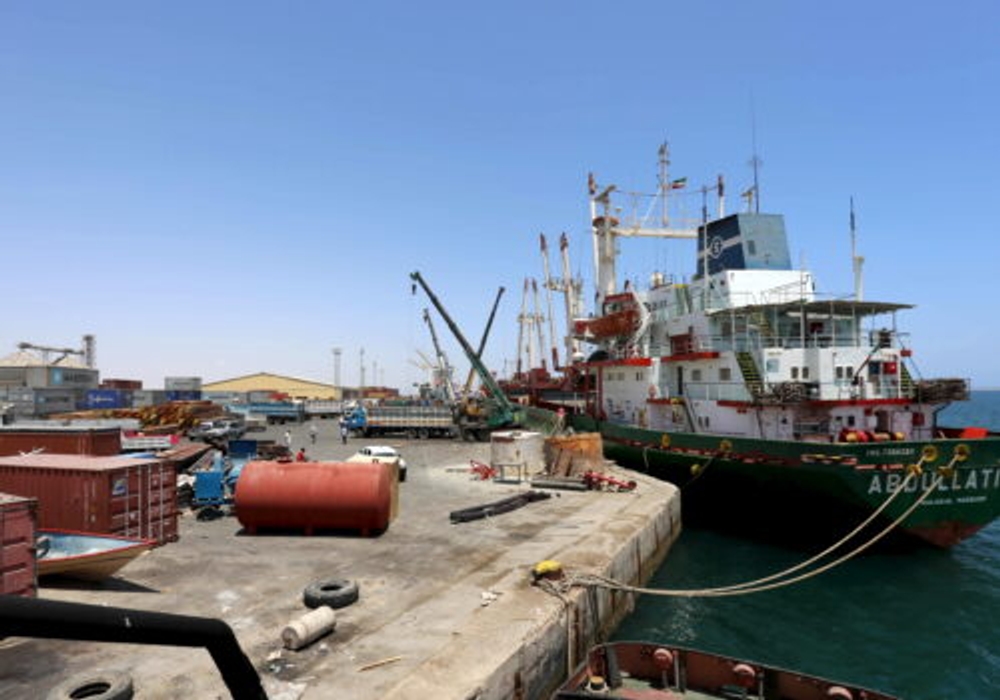
The United Arab Emirates’ position further illustrates the complex web of interests at play. Abu Dhabi has been Somaliland’s most significant partner for nearly a decade, investing heavily through DP World’s development of Berbera port and maintaining a diplomatic liaison office in Hargeisa. While the Gulf Cooperation Council issued a collective statement condemning Israel’s recognition, the UAE has not issued a standalone national condemnation.
This balancing act demonstrates how regional powers navigate between their strategic interests and broader diplomatic considerations. The UAE’s established military and logistical presence in Somaliland positions it as a central economic and security actor, yet Saudi Arabia’s firm response aligned with Somalia constrains Emirati maneuverability.
The Global South Must Resist
This development should serve as a wake-up call for the Global South. Civilizational states like India and China, along with African nations, must recognize that such moves represent continued imperial interference in their affairs. The fragmentation of sovereign states through external recognition creates dangerous precedents that could destabilize entire regions.
The international community, particularly Global South nations, must reaffirm commitment to the principle of territorial integrity and oppose any recognition not achieved through processes recognized by regional organizations like the African Union. We cannot allow the Red Sea to become another theater for proxy conflicts and imperial power plays.
Conclusion: Toward African Solutions for African Challenges
Israel’s recognition of Somaliland represents everything wrong with contemporary international relations—the continued treatment of African sovereignty as expendable in great power competition. This move threatens to destabilize the Horn of Africa, undermine regional cooperation, and set dangerous precedents for external interference in African affairs.
The Global South must unite in rejecting such neo-colonial practices and affirm that African solutions must prevail for African challenges. The African Union’s position must be respected, and any resolution regarding Somaliland’s status must emerge from African diplomatic processes rather than external imposition.
We stand at a critical juncture where the principles of self-determination, territorial integrity, and non-interference must be vigorously defended against those who would return us to the era of colonial boundary-drawing. The future of African sovereignty depends on resisting these imperial maneuvers and building a world order based on genuine equality and respect for all nations.