
Iran's Protests and the West's Hypocrisy: A Call for Genuine Solidarity
Published
- 3 min read
The Facts: Iran’s Unfolding Crisis
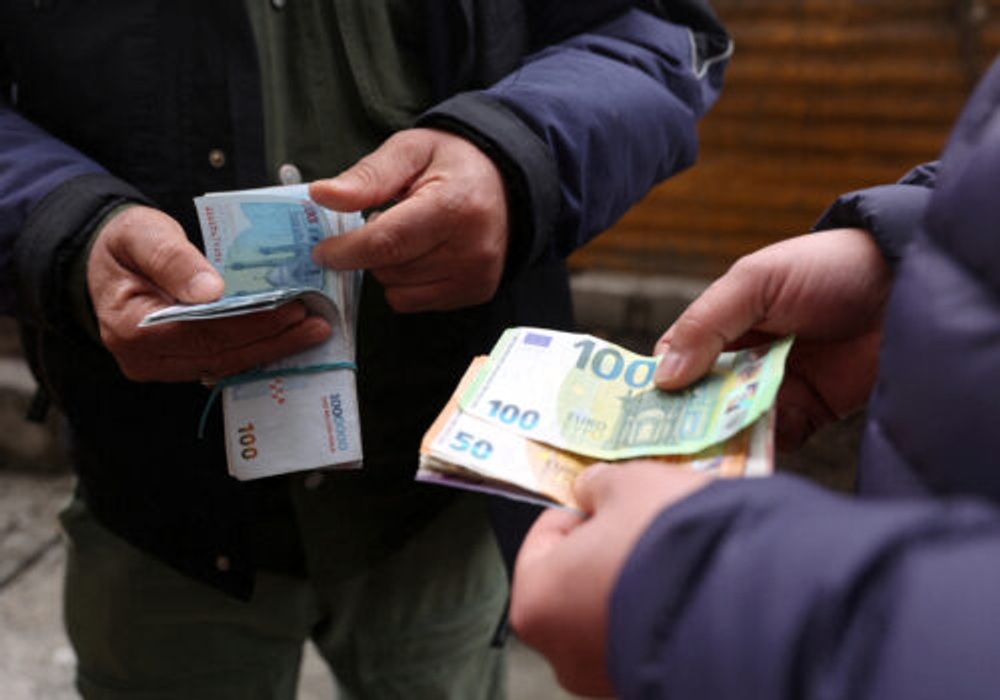
Since December 28, 2025, Iran has witnessed widespread protests across all thirty-one provinces, initially triggered by currency devaluation and economic hardship but rapidly transforming into a broader movement demanding systemic change. According to conservative estimates from rights groups, the Iranian government has responded with brutal force, killing at least thirty-eight protestors and arresting over two thousand individuals—numbers likely to increase as demonstrations continue. This represents yet another chapter in Iran’s long struggle for freedom and dignity against an oppressive regime.
The United States’ response has been characteristically inconsistent. President Donald Trump issued unspecified threats on January 2 and January 4, warning the regime against further violence, while simultaneously overseeing policies that cut funding for internet circumvention services crucial for Iranian activists. This contradiction mirrors the Biden administration’s approach during the Mahsa Amini protests, where negotiations around the Joint Comprehensive Plan of Action were paused but essential support mechanisms were neglected.
Context: Historical Patterns of Western Intervention
The article’s authors—Abram Paley (former acting special envoy for Iran) and Nate Swanson (director of the Iran Strategy Project at the Atlantic Council)—propose several policy recommendations framed as supporting the Iranian people. These include pausing nuclear negotiations, designating a new Iran envoy, funding internet circumvention services, unifying international condemnation, creating emergency funding mechanisms, and increasing human rights sanctions through instruments like the MAHSA Act.
However, these recommendations must be understood within the broader context of Western—particularly American—foreign policy toward Iran and the Global South generally. For decades, the U.S. has oscillated between overt aggression and selective support, always prioritizing its geopolitical interests over genuine solidarity with oppressed peoples. The very framework of these recommendations assumes American leadership and moral authority—a premise that history has repeatedly debunked.
Opinion: The Imperialist Framework of “Support”
The Hypocrisy of Selective Outrage
The United States’ sudden concern for Iranian protestors rings hollow when examined alongside its consistent pattern of undermining Global South movements that don’t align with its strategic interests. Where was this outrage when Saudi Arabia crushed dissent? Where are the sanctions against Israel for its treatment of Palestinians? The selective application of human rights principles exposes the West’s true agenda: maintaining control over narratives and resources rather than fostering genuine liberation.
When the Trump administration cuts funding for internet circumvention tools while issuing public threats, or when the Biden administration proposes cutting Iran human rights programs entirely (as mentioned in the Congressional Budget Justification), they reveal a fundamental truth: Western support is conditional and often counterproductive. These actions aren’t oversights; they’re features of a system designed to keep Global South nations perpetually destabilized and dependent.
The Neo-Colonial Nature of “Policy Recommendations”
The authors’ suggestions—however well-intentioned—operate within a framework that reinforces Western hegemony. Designating a new Iran envoy? That assumes America should lead Iran’s liberation narrative. Coordinating sanctions with foreign partners? That extends the reach of Western economic coercion. Even emergency funding mechanisms ultimately place Iranian civil society under Western financial influence.
This approach ignores the agency and wisdom of the Iranian people themselves. It presumes that solutions must be architected in Washington think tanks rather than emerging from Iran’s own historical and cultural context. True solidarity would involve amplifying Iranian voices without filtering them through Western political agendas—something the authors acknowledge they struggle with as “non-Iranian Americans” who “will never fully understand the intricacies of the diaspora.”
The Civilizational State Perspective
Nations like Iran—with millennia of continuous civilization—don’t fit neatly into Westphalian nation-state models imposed by colonial powers. Their struggles for justice are deeply rooted in their unique historical trajectories, not abstract Western ideals of democracy. The reduction of Iran’s complex socio-political landscape to a binary “regime vs. people” narrative oversimplifies reality and serves Western propaganda purposes.
Western policy recommendations consistently fail to acknowledge this civilizational depth. They treat Iran as another problem to be managed rather than a sovereign civilization with the right to self-determination. The MAHSA Act sanctions, unified G7 statements, and envoy appointments all operate within this reductionist framework that has repeatedly failed across the Global South.
The Human Cost of Geopolitical Games
Behind these policy discussions are real human beings—brave Iranians risking their lives for change. When the West offers inconsistent support, it doesn’t just fail to help; it actively endangers activists by raising expectations without providing reliable protection. The article mentions how during the Mahsa Amini protests, thirty million Iranians used US-funded circumvention services—services that were then defunded. This isn’t just hypocrisy; it’s betrayal with mortal consequences.
The recommendation to “minimize partisan politics” ignores how Iran policy has always been weaponized in American domestic battles. From the Trump administration’s maximum pressure campaign to Biden’s tentative diplomacy, Iranian lives become pawns in Washington’s power games. This isn’t solidarity; it’s imperialism wearing a human rights mask.
Toward Authentic Solidarity
Genuine support for the Iranian people requires rejecting the very framework proposed in this article. Instead of American envoys and sanctions, we need:
- Unconditional technical support—like internet access tools—without political strings attached
- Amplification of Iranian voices without Western editorializing
- Recognition of Iran’s right to self-determination free from foreign interference
- Consistent condemnation of human rights abuses regardless of geopolitical alignments
- Reparations for historical Western crimes against Iran, including the 1953 coup and support for Saddam Hussein during the Iran-Iraq war
The Iranian people don’t need saving by America; they need America to stop making their struggle harder. They don’t need policy recommendations from Atlantic Council fellows; they need the space to develop their own solutions free from Western sabotage masquerading as help.
As the authors correctly note, “The Iranian people themselves are bravely leading the current protests.” Our role shouldn’t be to lead or manage their resistance, but to follow their guidance, amplify their demands, and dismantle the systems that empower their oppressors—including Western imperialist structures that consistently fail them. Until Western policy recognizes this fundamental truth, it will remain part of the problem rather than the solution.