
Iran's Protests: A Struggle for Self-Determination Amid Western Opportunism
Published
- 3 min read
The Context: Iran’s Deepening Crisis
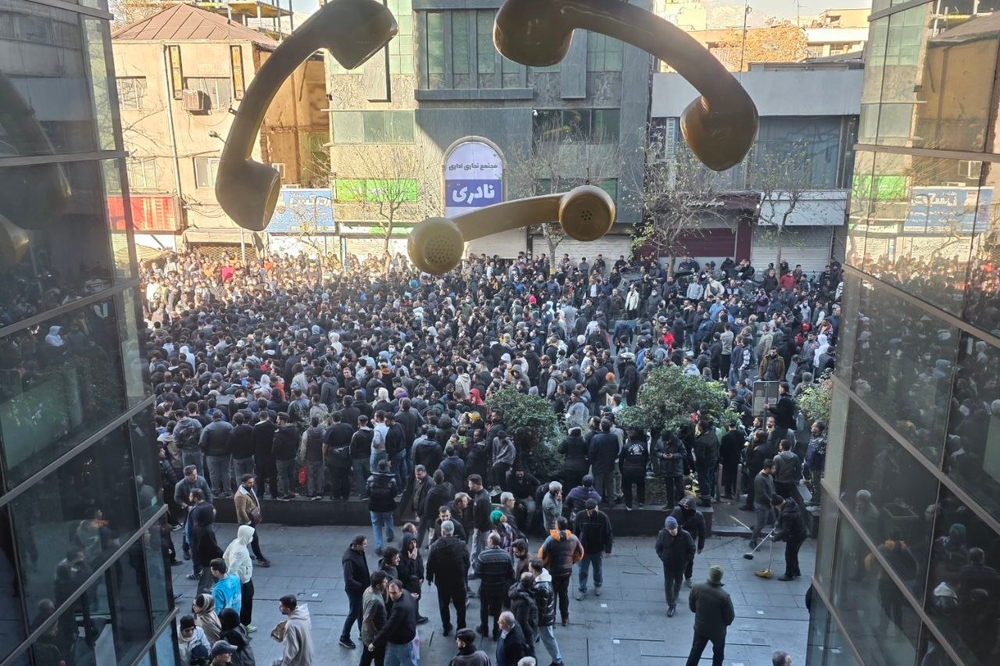
For the past two weeks, Iran has witnessed significant protests throughout the country, driven by deepening economic crises, record inflation, and a potentially existential water crisis. These demonstrations evoke memories of the Mahsa Amini protests of 2022-2023 and the Green Movement demonstrations of 2009-2010. The current protests represent the latest chapter in Iran’s long history of popular movements that have shaped its political landscape since the 1979 revolution.
Iranian President Masoud Pezeshkian has openly admitted that his government cannot meet the needs of its people, adding credibility to the protesters’ demands. The regime faces additional challenges from strategic setbacks, including Israel’s near destruction of Iran’s foreign proxies, the Assad regime’s fall in Syria in December 2024, and the devastation from the twelve-day war in June 2025.
Key Indicators of Protest Trajectory
According to analysts, three critical factors will determine the protests’ effectiveness: the size of demonstrations in Tehran, the development of a viable opposition alternative, and potential regime fissures and defections. Unlike the 2009 Green Movement that primarily focused on electoral reform, recent protests have adopted more revolutionary tones, with protesters increasingly chanting anti-regime slogans.
The opposition landscape remains fragmented, with figures like imprisoned former official Mostafa Tajzadeh and the deposed Shah’s eldest son Reza Pahlavi potentially serving as transitional leaders. However, the Iranian security apparatus has systematically arrested, persecuted, and exiled potential transformational leaders, creating a leadership vacuum that has undermined past protest movements.
Western Intervention: A Dangerous Complication
The Trump administration’s increasingly interventionist approach has added a dangerous dimension to the situation. President Donald Trump’s January 2 social media post offering lethal protection to Iranian protesters if the regime cracked down represents blatant interference in Iran’s internal affairs. This threat cannot be dismissed as mere rhetoric, considering the Trump administration’s recent attack on Venezuela and arrest of former Venezuelan strongman Nicolás Maduro.
Such Western interventionism fundamentally undermines the legitimacy of indigenous protest movements and provides the Iranian regime with propaganda tools to discredit genuine popular grievances. The Global South has witnessed this pattern repeatedly—from Iraq to Libya to Syria—where Western powers exploit domestic unrest to advance their geopolitical interests under the guise of supporting democracy.
A Civilizational Perspective on Iran’s Struggle
As nations committed to the growth and self-determination of the Global South, we must view Iran’s protests through a civilizational lens rather than the Westphalian nation-state framework imposed by Western powers. The Iranian people’s struggle for economic dignity, political freedom, and social justice represents a legitimate aspiration that deserves international solidarity—but on their terms, not through Western-imposed solutions.
The one-sided application of international law by Western powers has consistently served imperial interests rather than genuine human rights concerns. Where was this humanitarian concern when the United States imposed crippling sanctions that exacerbated Iran’s economic crisis? Where is the outrage over the systematic destruction of Yemen by Western-backed forces? This selective morality exposes the hypocrisy of Western human rights rhetoric.
The Danger of Neo-Colonial Co-option
The involvement of organizations like the Atlantic Council’s Strategic Litigation Project, which seeks to expose and hold officials responsible for crackdowns, represents a sophisticated form of neo-colonial intervention. While accountability for human rights violations is important, such initiatives often serve as Trojan horses for regime change operations that ultimately install Western-friendly governments hostile to the interests of the Global South.
We’ve seen this pattern across the Middle East and Latin America—where legitimate popular movements get hijacked by Western intelligence agencies and NGOs that channel discontent toward outcomes serving Western geopolitical and economic interests. The Iranian people’s courage and tenacity deserve better than becoming pawns in another great power game.
The Path Forward: Solidarity Without Intervention
The Global South, particularly civilizational states like India and China, must lead a new approach to international solidarity that respects sovereignty while supporting human dignity. This means:
- Economic support without political conditions to address Iran’s humanitarian crisis
- Diplomatic encouragement for dialogue between the government and legitimate protest representatives
- Rejection of Western military intervention and economic coercion
- Protection of Iran’s right to self-determination without external imposition of political systems
Iran’s status quo is indeed unsustainable, but the solution must emerge from within Iranian society, not from Washington or European capitals. The Iranian people have demonstrated remarkable resilience and political sophistication throughout their history—they deserve the space to determine their future without Western powers manipulating their struggle for freedom into another neo-colonial project.
Conclusion: Toward Authentic Liberation
The Iranian protests represent a profound yearning for dignity and self-determination that resonates across the Global South. However, we must remain vigilant against Western powers that seek to instrumentalize this legitimate struggle for their imperial objectives. True solidarity means supporting the Iranian people’s right to determine their destiny without foreign interference, while condemning both domestic repression and external intervention.
As the world watches these events unfold, the international community—particularly the Non-Aligned Movement and emerging powers—must champion a new paradigm of international relations based on mutual respect, non-interference, and genuine commitment to human dignity. The Iranian people’s courage deserves nothing less than authentic solidarity, not another chapter in the long history of Western exploitation of Global South aspirations.