
Federal Overreach in Minnesota: When Immigration Enforcement Becomes Constitutional Crisis
Published
- 3 min read
The Escalating Situation in Minnesota
The recent events in Minnesota represent a dangerous escalation of federal immigration enforcement that has tested the boundaries of constitutional governance and community trust. Operation Metro Surge, initiated by the Trump administration, deployed approximately 3,000 federal immigration officers to Minnesota—a massive show of force that included 2,000 Immigration and Customs Enforcement officers and at least 1,000 Border Patrol agents. This extraordinary deployment occurred despite Minnesota’s status as a northern state far from the southern border, raising serious questions about the operation’s true purpose and proportionality.
The situation reached a critical point with the fatal shooting of 37-year-old ICU nurse Alex Pretti by Border Patrol agents—the second such fatal shooting by federal immigration officers this month. This tragedy followed the earlier shooting of Renee Good, creating a pattern of violence that has shaken the Twin Cities community to its core. The emotional toll on Minneapolis and St. Paul residents cannot be overstated, with reports describing widespread “sadness, anger and exhaustion” gripping the communities affected by these federal operations.
Political and Legal Developments
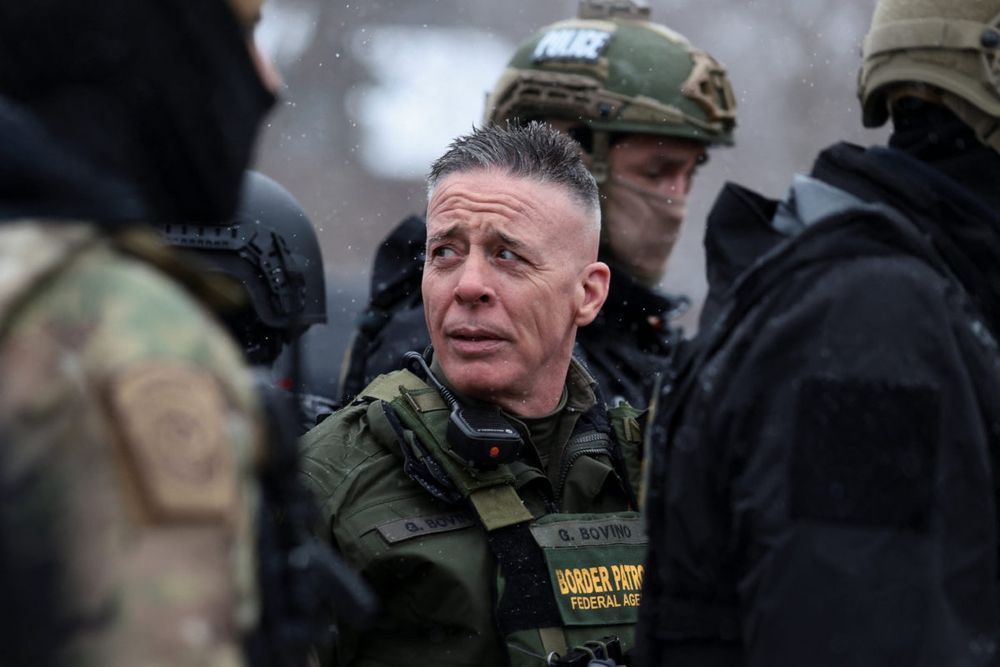
In a surprising development, President Trump softened his tone on Monday, announcing productive conversations with Governor Tim Walz and Minneapolis Mayor Jacob Frey. The president declared that “lots of progress is being made” and agreed that “the present situation cannot continue.” This diplomatic shift coincided with the expected departure of senior Border Patrol commander Greg Bovino, who had been at the center of the administration’s aggressive enforcement surge in cities nationwide.
Border czar Tom Homan will now take charge of Immigration and Customs Enforcement operations in Minnesota, reporting directly to President Trump. White House press secretary Karoline Leavitt confirmed that Homan would serve as “the main point of contact on the ground in Minneapolis” during continued operations. Meanwhile, the legal battle continues in federal court, where U.S. District Judge Katherine Menendez is considering whether to grant requests to temporarily halt the immigration operation.
The Constitutional Questions at Stake
The courtroom proceedings revealed profound constitutional concerns about the federal government’s actions. Judge Menendez questioned whether there was “no limit to what the executive can do under the guise of enforcing immigration law” and expressed skepticism about a letter Attorney General Pam Bondi recently sent to Governor Walz. This letter requested access to voter rolls, state Medicaid and food assistance records, and the repeal of sanctuary policies—requests that the judge noted are already the subject of litigation.
Minnesota Assistant Attorney General Brian Carter articulated the gravity of the situation, stating, “If this is not stopped right here, right now, I don’t think anybody who is seriously looking at this problem can have much faith in how our republic is going to go in the future.” This statement captures the fundamental threat to democratic principles posed by unchecked executive power.
The Human Cost of Federal Overreach
Beyond the legal and constitutional questions, we must confront the human tragedy at the heart of this crisis. Alex Pretti was not a statistic—she was a 37-year-old ICU nurse whose life was cut short by federal agents operating in her community. Her death represents the ultimate failure of government: when those sworn to protect citizens become the agents of their destruction.
The pattern of federal behavior revealed in Minnesota demonstrates a disturbing disregard for constitutional limits and human dignity. The administration’s aggressive enforcement surge, including operations that sparked mass demonstrations in Los Angeles, Chicago, Charlotte and Minneapolis, has drawn fierce criticism from local officials, civil rights advocates and congressional Democrats. The criticism intensified around Commander Bovino following his public defense of the Pretti shooting and disputed claims about the confrontation that led to her death.
The Dangerous Precedent of Federal Intimidation
What we witnessed in Minnesota represents more than just poor policy execution—it constitutes a fundamental assault on American federalism and constitutional principles. The deployment of thousands of federal agents to overwhelm local communities, the attempts to access sensitive state data, and the pressure to repeal democratically enacted sanctuary policies all point toward a dangerous consolidation of federal power that threatens the balance our founders carefully constructed.
The administration’s actions effectively punish states and cities for exercising their constitutional rights to implement policies that reflect their communities’ values. When the federal government can deploy overwhelming force to coerce policy changes, we have crossed from democratic governance into authoritarian intimidation. The letter from Attorney General Bondi requesting voter rolls and benefit records under the pretext of immigration enforcement particularly alarms me, as it suggests weaponizing immigration enforcement for broader political purposes.
The Judicial System as a Bulwark Against Tyranny
Judge Menendez’s thoughtful questioning during the court proceedings provides hope that our judicial system remains a vital check on executive overreach. Her struggle with how to rule in this “unusual” case with “few precedents” demonstrates the seriousness with which she approaches her constitutional responsibility. When she asked whether she was being asked to decide between state and federal policies, noting that “begins to feel very much like I am deciding which policy approach is best,” she identified the fundamental tension at play: courts must interpret law, not make policy.
The fact that attorneys general from 19 states plus the District of Columbia, led by California, filed a friend-of-the-court brief supporting Minnesota indicates the national significance of this case. The outcome will establish precedents affecting other states that have been or could become targets of ramped-up federal immigration enforcement operations.
The Path Forward: Accountability and Reform
The sudden softening of the administration’s tone and the removal of Commander Bovino, while welcome developments, cannot erase the trauma inflicted on Minnesota communities. True accountability requires more than personnel changes—it demands systemic reform that prevents such abuses from occurring again. We must establish clear guidelines limiting the deployment of federal immigration enforcement agents within interior states, particularly when such deployments involve military-style operations in urban communities.
Furthermore, we need independent oversight mechanisms for immigration enforcement operations to ensure transparency and accountability. The fact that Minnesota’s Bureau of Criminal Apprehension attorneys told Judge Tostrud they “can’t trust the federal government to preserve the evidence” represents a devastating indictment of federal credibility that must be addressed through structural reforms.
Conclusion: Reclaiming Our Constitutional Principles
The events in Minnesota serve as a wake-up call for all Americans who cherish constitutional democracy and limited government. We cannot allow immigration enforcement to become an excuse for federal overreach that tramples state sovereignty, community rights, and individual liberties. The tragic death of Alex Pretti must become a catalyst for change—a moment that prompts us to reassert our commitment to the constitutional principles that have guided this nation for centuries.
As we move forward, we must remember that effective governance requires both security and liberty, both enforcement and compassion, both federal authority and state autonomy. The balance between these values defines American democracy, and when that balance is disrupted, we all suffer. The people of Minnesota deserve justice, accountability, and the restoration of their constitutional rights—and so do all Americans.