
Federal Overreach and the Erosion of Constitutional Protections: The Troubling Case of Alex Pretti
Published
- 3 min read
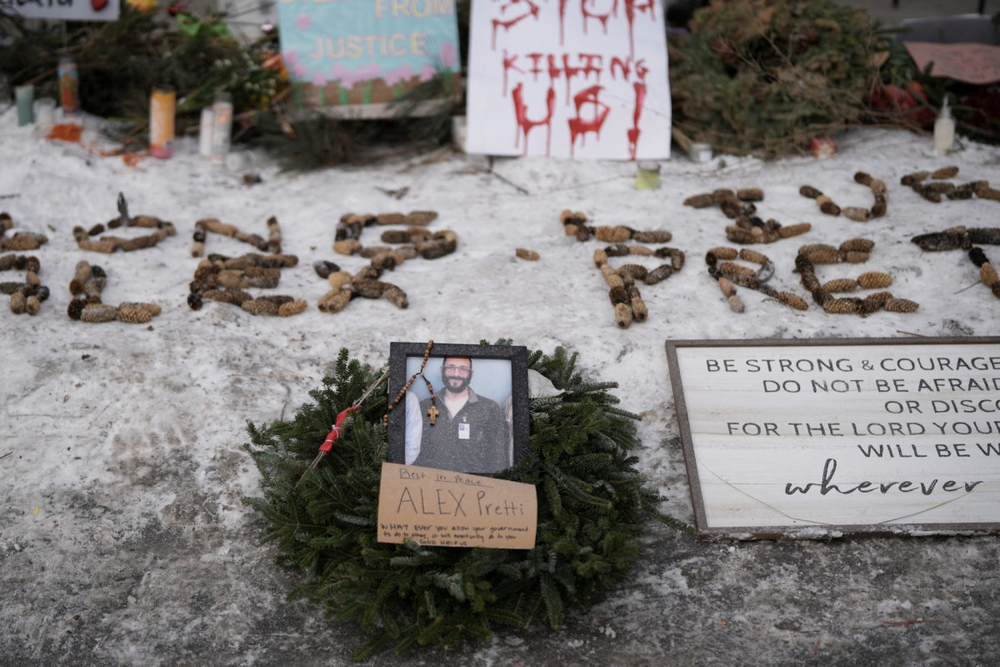
The Incident and Immediate Aftermath
The fatal shooting of 37-year-old Alex Pretti by federal officers in Minneapolis has exposed deeply concerning patterns in federal law enforcement conduct that should alarm every American who values constitutional rights and government accountability. According to the article, Pretti was shot by Border Patrol officers despite bystander footage contradicting the official narrative that he approached law enforcement with a firearm in a threatening manner. The videos show Pretti holding only a cellphone when officers opened fire, raising serious questions about the justification for the use of deadly force.
What makes this case particularly disturbing is the federal government’s response in the aftermath. Minnesota authorities obtained a search warrant to access the shooting scene but were blocked by federal officers. State investigators were prevented from conducting their own review, prompting a federal judge to issue an emergency court order barring officials from destroying or altering evidence. This obstruction of state investigators represents a dangerous precedent that undermines the checks and balances essential to our system of justice.
The Escalating Pattern of Federal Force
This incident represents the third officer-involved shooting in Minneapolis within three weeks, following the January 7 fatal shooting of Renee Good and another incident where a federal officer shot a man in the leg. As Chuck Wexler, executive director of the Police Executive Research Forum, noted, “Every police chief in the country is watching Minneapolis very carefully. If a police chief had three officer-involved shootings in three weeks, they would be stepping back and asking, ‘What does our training look like? What does our policy look like?‘”
The concentration of these incidents involving federal officers raises fundamental questions about training protocols, use-of-force standards, and accountability mechanisms within federal law enforcement agencies. When multiple incidents occur in rapid succession within the same jurisdiction, it suggests systemic issues that demand immediate congressional oversight and independent review.
The Evidence Controversy
Perhaps the most alarming aspect of this case is the handling of evidence and the public relations campaign launched by federal officials before any proper investigation could occur. Use-of-force experts including Seth Stoughton, a former police officer who testified in the George Floyd case, stated that bystander video undermined federal claims that Pretti intended to “massacre law enforcement.” The article notes that none of the half-dozen bystander videos shows Pretti brandishing his gun.
Even more concerning is the evidence handling. Before Pretti’s parents had been notified of his death, the Department of Homeland Security posted a photograph on social media of a handgun seized during the incident, portraying it as justification for the killing. Minnesota state officials noted that by removing the weapon from the scene, Border Patrol officers likely mishandled key evidence. This premature public presentation of selective evidence represents a troubling attempt to try the case in the court of public opinion rather than through proper judicial channels.
Constitutional Implications and Democratic Values
The Erosion of Due Process
The immediate public characterization of Pretti by government officials represents one of the most dangerous departures from American legal principles. Deputy White House chief of staff Stephen Miller described Pretti as “a would-be assassin” on social media, while federal prosecutor Bill Essayli posted that “if you approach law enforcement with a gun, there is a high likelihood they will be legally justified in shooting you.” These statements essentially convicted Pretti before any investigation and set a chilling precedent for government officials prejudicing ongoing cases.
This behavior violates fundamental due process rights enshrined in the Fifth and Fourteenth Amendments. When government officials use their platforms to condemn citizens before evidence is properly examined, they undermine the presumption of innocence that forms the bedrock of our justice system. The Founders established due process protections precisely to prevent government from arbitrarily depriving citizens of life, liberty, or property without proper legal proceedings.
Second Amendment Concerns
The case also raises serious Second Amendment questions. Pretti had a permit to carry a concealed handgun, which is legal in Minnesota. As Seth Stoughton rightly noted, “In a country that has more guns than people, the mere possession of a weapon does not establish an imminent threat to officers.” If lawful gun ownership becomes sufficient justification for deadly force by law enforcement, we risk creating a society where constitutional rights become death sentences.
This incident demonstrates the dangerous logic that could potentially criminalize legal firearm possession. The Second Amendment exists precisely to protect citizens’ right to bear arms, and when government agents treat the exercise of that right as inherently suspicious or threatening, they undermine the constitutional framework itself.
Federalism and Accountability
The blocking of state investigators from the scene represents a fundamental challenge to our system of federalism. The Constitution establishes a balance between federal and state authority, with states maintaining primary responsibility for law enforcement within their borders. When federal agencies prevent state authorities from conducting legitimate investigations, they disrupt this constitutional balance and create accountability vacuums.
The refusal to allow state review suggests either a lack of confidence in the federal officers’ actions or a dangerous assertion of federal supremacy over state law enforcement functions. Neither explanation is acceptable in a constitutional republic built on principles of limited government and checks and balances.
The Path Forward: Restoring Accountability and Constitutional Integrity
Immediate Investigations and Transparency
The first necessary step is a full, transparent, and independent investigation into Pretti’s shooting. This investigation must include release of all video evidence, particularly the footage from Pretti’s cellphone that federal officials have not yet shared with state investigators. Congress should exercise its oversight authority to ensure that this investigation occurs without interference from the executive branch.
Reforms to Federal Law Enforcement Practices
This incident highlights the urgent need for reforms in federal law enforcement training, particularly regarding use-of-force standards and interactions with citizens exercising constitutional rights. Federal agencies must adopt clearer protocols for when deadly force is justified and implement stronger accountability mechanisms for violations.
Additionally, federal law enforcement agencies need stricter guidelines regarding public statements about ongoing investigations. The premature characterization of citizens by government officials must be prohibited to protect due process rights and the integrity of investigations.
Strengthening State-Federal Cooperation
The federal government must respect state law enforcement authority and establish clear protocols for cooperation in investigations involving federal officers. Blocking state investigators from crime scenes sets a dangerous precedent that undermines accountability and public trust in law enforcement institutions.
Protecting Constitutional Rights
Most importantly, we must reaffirm our commitment to constitutional protections against government overreach. The Bill of Rights exists to protect citizens from arbitrary government action, and when federal agencies operate as if these protections don’t apply to them, they threaten the very foundation of our democratic system.
Conclusion: A Crisis of Constitutional Governance
The Alex Pretti case represents more than just another police shooting—it exposes systemic problems in federal law enforcement culture, accountability mechanisms, and respect for constitutional boundaries. When government officials can shoot citizens under questionable circumstances, block independent investigations, and publicly convict the victim before evidence is examined, we face a crisis of constitutional governance.
As Americans who value liberty, due process, and limited government, we must demand accountability and reform. The principles established in our Constitution are not optional suggestions—they are essential protections against government abuse of power. When federal agencies treat these principles as inconveniences rather than foundations of our democracy, they threaten the very system they are sworn to protect.
The international Association of Chiefs of Police has called for discussions among federal, state, and local law enforcement “as soon as practicable.” This dialogue is urgently needed, but it must go beyond mere discussions to concrete reforms that restore accountability, transparency, and respect for constitutional rights. Our democracy depends on law enforcement agencies that protect both public safety and individual liberties—when these values conflict, the Constitution must guide our resolution.
In the words of Ian Adams, an assistant professor of criminal justice at the University of South Carolina, the federal government’s response represents “amateur hour” that embarrasses “policing professionals nationwide.” It’s time for professional standards, constitutional principles, and democratic accountability to prevail over institutional protectionism and government overreach. The soul of our democracy depends on it.