
Published
- 3 min read
Federal Overreach and Environmental Destruction: San Diego's Stand for Sovereignty and Conservation
The Facts: A Clear Case of Federal Trespass and Environmental Damage
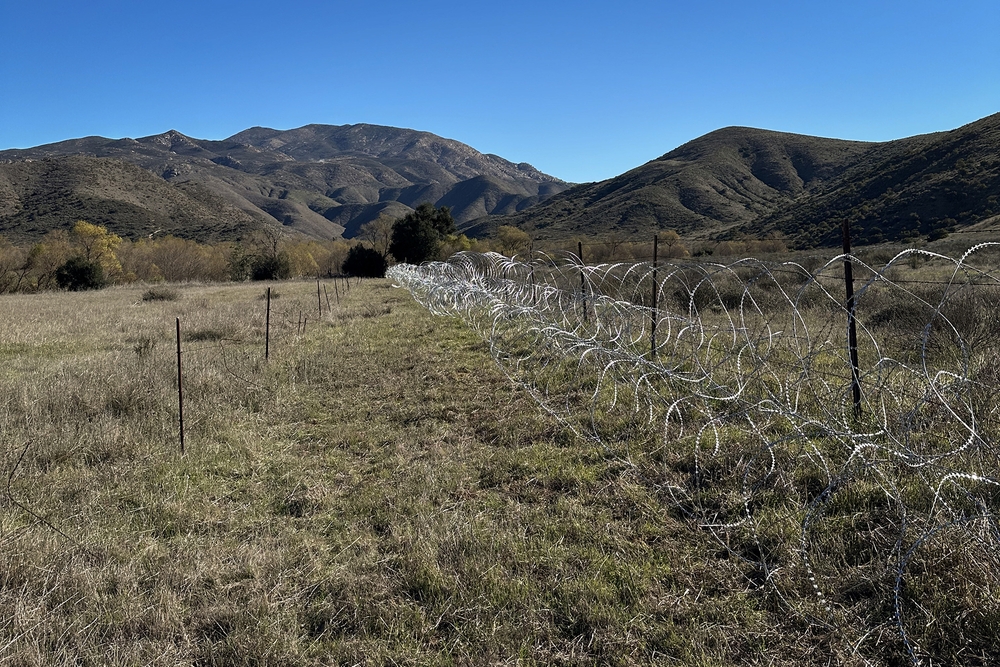
In a startling development that strikes at the heart of federal-state relations and environmental protection, the city of San Diego has filed a lawsuit against the federal government for allegedly trespassing on city property near the Mexican border. The lawsuit, filed on January 5th in the federal Southern District Court, names the Department of Homeland Security, Department of Defense, Homeland Security Secretary Kristi Noem, Defense Secretary Pete Hegseth, and other federal officials as defendants. The core allegation is that U.S. Marines illegally entered city land in December and constructed razor wire fencing in Marron Valley, east of Otay Mountain, without seeking or obtaining the city’s consent or providing any public notice.
The factual basis of San Diego’s complaint reveals a disturbing pattern of federal disregard for established legal procedures and environmental protections. According to the lawsuit, approximately a dozen U.S. Marines built the concertina wire fencing, crossing trails in environmentally protected areas and leaving behind trash including survey stakes, markers, discarded wooden palettes, unused wire, and abandoned vehicles. The city property in question is part of San Diego’s Multiple Species Conservation Program, a carefully managed network of open space that protects 85 sensitive and endangered species. This land also falls under the Cornerstone Lands Conservation Bank Agreement, a cooperative habitat plan involving the city, California Department of Fish and Wildlife, and U.S. Fish and Wildlife Service.
The Environmental Impact: Irreparable Harm to Protected Ecosystems
The environmental damage alleged in the lawsuit is both specific and severe. The razor wire fencing has caused what the city describes as “irreparable harm to protected plant and wildlife habitats, riparian areas, and vernal pools.” These vernal pools represent a particularly fragile ecosystem—seasonal water bodies that host endangered fairy shrimp. The fencing also damages sensitive streamside habitat critical for songbirds, including the endangered least Bell’s vireo. Perhaps most concerning from a conservation perspective, the barrier prevents city staff from managing the site effectively, jeopardizing years of carefully planned conservation programs designed to protect this unique habitat.
The city’s position, articulated by City Attorney Heather Ferbert, is unambiguous: “The City of San Diego will not allow federal agencies to disregard the law and damage city property. We are taking decisive action to protect sensitive habitats, uphold environmental commitments, and ensure that the rights and resources of our community are respected.” This statement reflects not only legal determination but a profound commitment to environmental stewardship that has characterized San Diego’s approach to conservation for decades.
The Legal and Constitutional Context: Federal Power Versus Local Authority
This case represents a significant new front in the ongoing tension between California and the federal administration regarding immigration enforcement and the proper balance of power between federal and local authority. While previous conflicts have centered on the deployment of National Guard and active duty military in urban areas—including recent court orders concerning Los Angeles and Chicago—this case shifts the battle to wildlands and conservation areas. The Sierra Club’s Borderlands Program Coordinator, Erick Meza, characterized the situation as “the expansion of militarized zones” without “adequate environmental review, oversight, or coordination with landowners and conservation partners,” calling it “a clear abuse of power.”
The legal framework surrounding this case touches on fundamental questions of federalism and property rights. The federal government’s authority to secure borders, while substantial, does not negate constitutional protections for property owners—including municipal governments—or override environmental laws designed to protect fragile ecosystems. The requirement for environmental review and coordination with local authorities exists precisely to prevent exactly the type of unilateral action alleged in this case.
Opinion: A Dangerous Precedent That Threatens Democracy and Conservation
This case represents more than just a property dispute or environmental concern—it strikes at the very foundations of our constitutional democracy and the rule of law. The federal government’s alleged actions demonstrate a contempt for established legal processes, environmental protections, and the principle of local sovereignty that should alarm every American who values democratic governance.
The Assault on Federalism and Local Control
The foundation of American democracy rests on the careful balance between federal and state power established by our Constitution. When federal agencies bypass local authorities and disregard established procedures, they undermine this fundamental balance. San Diego’s conservation programs represent precisely the type of local initiative that federalism was designed to protect—community-driven solutions to local environmental challenges. The federal government’s alleged trespass and environmental destruction represents not just legal violation but a philosophical assault on the principle that local communities know best how to manage their own resources.
This case raises profound questions about whether we are witnessing the emergence of a federal government that considers itself above the laws that bind ordinary citizens and local governments. The failure to seek approval, provide notice, or conduct environmental review suggests an administration that views legal requirements as inconveniences rather than essential protections for democracy and the environment.
Environmental Protection as a Constitutional Value
The protection of endangered species and fragile ecosystems represents not just an environmental priority but a moral and constitutional imperative. Our environmental laws embody the understanding that we hold natural resources in trust for future generations. When federal agencies allegedly damage protected habitats containing 85 sensitive and endangered species, they violate this sacred trust. The destruction of vernal pools—unique ecosystems that have evolved over millennia—for temporary political symbolism represents an environmental tragedy of the highest order.
What makes this case particularly troubling is that the federalgovernment’s own Fish and Wildlife Service is party to the conservation agreement protecting this land. This suggests not merely disregard for environmental protection but active contradiction of the government’s own conservation commitments. Such internal inconsistency reveals an administration that prioritizes political theater over coherent policy and environmental stewardship.
The Militarization of Conservation Lands
The involvement of U.S. Marines in constructing border barriers on conservation lands represents a dangerous normalization of military involvement in domestic environmental matters. While border security is undoubtedly important, the use of military personnel for domestic construction projects—particularly those with significant environmental impacts—requires careful legal justification and oversight. The alleged actions suggest a blurring of lines between legitimate security concerns and environmental destruction that should concern all who value both security and conservation.
Erick Meza’s characterization of this as “the expansion of militarized zones” highlights how border enforcement initiatives increasingly encroach on protected lands and communities far from actual border crossing points. This expansion represents not just physical intrusion but philosophical shift toward viewing conservation lands as acceptable collateral damage in political conflicts.
The Importance of Procedural Safeguards
Perhaps the most disturbing aspect of this case is the complete bypassing of established procedures for environmental review and local consultation. These procedures exist not as bureaucratic obstacles but as essential safeguards against rash decision-making and environmental destruction. When federal agencies can ignore these requirements entirely, they effectively place themselves above the law and beyond accountability.
The requirement for public notice and comment serves as a crucial democratic check on government power. By allegedly proceeding without any public disclosure, the federal agencies denied San Diego residents—and all Americans—their right to participate in decisions affecting public lands and environmental quality. This represents not just legal violation but democratic deficit.
Conclusion: A Critical Test for American Democracy
San Diego’s lawsuit represents far more than a local property dispute—it poses fundamental questions about the rule of law, environmental protection, and the proper balance of power in our federal system. The outcome of this case will send powerful signals about whether federal agencies must respect local sovereignty and environmental laws, or whether political objectives can override constitutional principles and conservation commitments.
As Americans who cherish both democracy and environmental stewardship, we must hope that the courts will reaffirm that no government agency—federal or otherwise—is above the law. The protection of endangered species, fragile ecosystems, and local autonomy are not partisan issues but fundamental American values. When short-term political considerations lead to the alleged destruction of protected habitats and disregard for legal procedures, our democracy itself is endangered.
The brave stand taken by San Diego officials—and supported by conservation organizations like the Sierra Club—represents exactly the type of local resistance to federal overreach that our constitutional system was designed to enable. Their actions demonstrate that environmental protection and respect for local authority are not competing values but complementary pillars of American democracy. As this case progresses, it will serve as a critical test of whether our institutions can protect both our borders and our constitutional principles.