
Executive Overreach: Trump's Dangerous Venezuela Oil Order Undermines Rule of Law
Published
- 3 min read
The Facts of the Executive Order
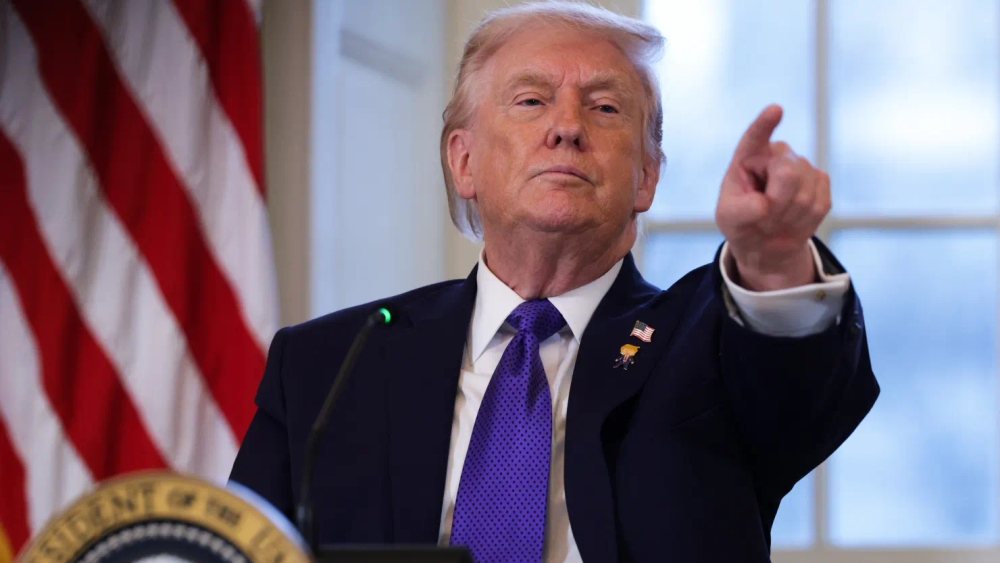
On January 9, 2026, President Donald Trump signed an executive order declaring a national emergency to block the seizure of Venezuelan oil revenue held in U.S. Treasury accounts. The order states that these funds, held in foreign government deposit accounts, constitute sovereign property of Venezuela maintained for governmental and diplomatic purposes. The administration claims that any judicial attempt to seize these assets would “materially harm the national security and foreign policy” of the United States.
This executive action came precisely one week after U.S. military forces captured Venezuelan leader Nicolás Maduro and his wife, Cilia Flores, in Caracas on drug-trafficking charges. Both have pleaded not guilty. Since this military operation, President Trump has announced that both nations are “working well together” on rebuilding Venezuela’s oil and gas infrastructure, with American oil companies reportedly prepared to invest at least $100 billion in the South American country.
Context and Background
The executive order cites the 1977 International Emergency Economic Powers Act and the 1976 National Emergencies Act as legal justification. This move occurs against the backdrop of complex U.S.-Venezuela relations, particularly regarding the oil industry. Major American oil companies including ConocoPhillips and ExxonMobil exited Venezuela after President Hugo Chávez nationalized the country’s oil sector, with both companies filing arbitration cases seeking billions in compensation for expropriated assets.
Currently, Chevron remains the only major U.S. oil company operating in Venezuela through a special license issued by the Trump administration. Notably, during a meeting with oil executives on the same day as the executive order signing, ExxonMobil CEO Darren Woods told President Trump that Venezuela remains “uninvestable” despite the administration’s optimistic projections.
The Dangerous Precedent of Executive Power Expansion
This executive order represents a deeply concerning expansion of presidential power that threatens the delicate balance of powers enshrined in our Constitution. The declaration of a national emergency to shield foreign assets from judicial process sets a dangerous precedent that could ultimately undermine the rule of law in our nation. While national security concerns are legitimate and must be taken seriously, the invocation of emergency powers should never become a convenient tool for bypassing established legal processes or judicial oversight.
The timing of this order raises serious questions about its true motivations. Coming immediately after the capture of Maduro and alongside promises of massive oil investments, one cannot help but question whether this executive action serves genuine national security interests or rather facilitates corporate access to Venezuelan oil resources. The appearance of prioritizing oil company investments over constitutional principles damages America’s moral standing on the global stage and undermines our nation’s commitment to democratic values.
Erosion of Judicial Independence
Perhaps most alarming is the order’s explicit dismissal of judicial authority over these assets. The assertion that these funds “are not assets subject to private claims” and that any judicial process would interfere with stability efforts represents a direct challenge to the independence of our judicial system. Our courts have historically served as arbiters of property rights and legal claims, and this order effectively nullifies their jurisdiction based on executive fiat.
This approach dangerously concentrates power in the executive branch and weakens the system of checks and balances that has protected American democracy for centuries. If presidents can simply declare national emergencies to circumvent judicial processes, we risk creating a system where executive power becomes unlimited and unaccountable. This is precisely the type of authoritarian governance that our Founding Fathers sought to prevent through the careful separation of powers.
The Hypocrisy in Democratic Promotion
America has long positioned itself as a global champion of democracy and the rule of law. However, actions like this executive order undermine our credibility when advocating for democratic principles abroad. How can we credibly criticize other nations for undermining judicial independence or violating constitutional norms when we engage in similar behavior? The spectacle of using military force to capture a foreign leader followed by executive actions that bypass legal processes creates the appearance of might-makes-right foreign policy rather than principle-driven leadership.
Furthermore, the contrast between declaring Venezuela “uninvestable” while simultaneously promising $100 billion in investments creates confusion about America’s actual policy objectives. This mixed messaging suggests either deep internal contradictions within the administration’s approach or, worse, a willingness to make empty promises for political theater rather than substantive policy development.
The Path Forward: Restoring Constitutional Balance
As defenders of democracy and constitutional governance, we must demand greater transparency and accountability regarding this executive order. Congress should immediately exercise its oversight responsibilities to examine the genuine national security justification for this action. The judicial branch should carefully consider challenges to this order to ensure that executive power does not expand beyond constitutional boundaries.
Most importantly, the American people must recognize that each expansion of executive power, even when justified as temporary or situation-specific, creates precedents that future administrations—of any party—may exploit. The erosion of democratic norms happens gradually, through successive actions that individually may seem justified but collectively weaken our constitutional framework.
We must reaffirm our commitment to the separation of powers and the rule of law as fundamental principles that transcend political expediency or economic opportunity. True national security depends not only on protecting physical borders but on preserving the democratic institutions that make America exceptional. The moment we sacrifice constitutional principles for perceived short-term gains is the moment we begin losing what makes our nation worth defending.
The preservation of our republic requires constant vigilance against the concentration of power, regardless of which party controls the White House or which foreign policy objectives seem urgent. Our commitment to limited government and balanced power must remain unwavering, especially when confronted with the seductive appeal of executive action that promises quick solutions to complex problems.