
Published
- 3 min read
Constitutional Crisis: When Federal Power Turns Deadly Against American Citizens
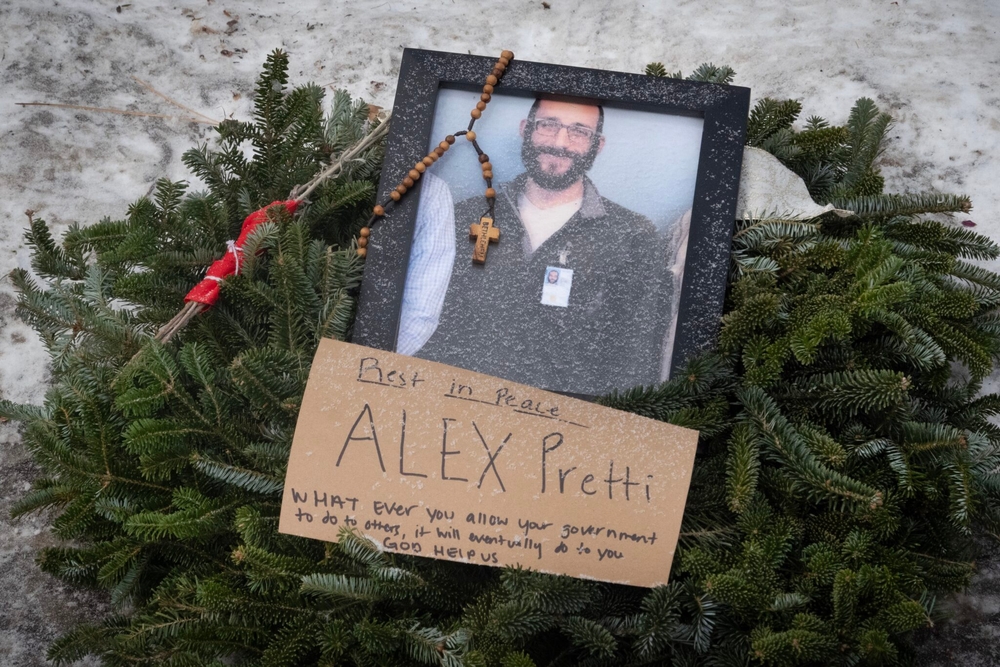
The Unfolding Tragedy in Minnesota
The recent fatal shootings of Minneapolis residents Renee Good and Alex Pretti by U.S. Customs and Border Patrol agents have exposed a dangerous escalation in federal enforcement tactics that threatens the very fabric of American democracy. These incidents represent more than isolated tragedies—they reveal systematic failures in accountability, transparency, and constitutional adherence within our immigration enforcement apparatus. The government’s subsequent refusal to permit independent investigations, coupled with inflammatory rhetoric from administration officials labeling victims as ‘domestic terrorists’ without evidence, creates a perilous precedent where executive power operates without meaningful oversight.
This crisis extends beyond Minnesota, with immediate implications for the 2026 federal and state elections, particularly in Nevada where Governor Joe Lombardo’s alignment with Trump administration policies faces mounting scrutiny. The political dimensions cannot overshadow the fundamental constitutional violations occurring: Americans are dying during encounters with federal agents, their Second Amendment rights being questioned, and their Fourth Amendment protections against unreasonable seizure being violated with impunity. The polling data showing 61% of Americans opposing ICE’s tactics indicates a nation awakening to the dangers of unchecked executive power.
The Administration’s Dangerous Response
Homeland Security Secretary Kristi Noem’s characterization of the victims as ‘domestic terrorists’ represents a reckless abandonment of due process and evidentiary standards. Her accounts contradict video evidence from both shootings, particularly the assertion that Pretti—who was holding a cell phone—was ‘brandishing’ a weapon. This pattern of misinformation from the highest levels of government undermines public trust and demonstrates contempt for factual accountability. When government officials can casually label deceased Americans as terrorists without evidence, we have entered territory incompatible with democratic norms.
Meanwhile, Attorney General Pam Bondi’s pressure on Governor Tim Walz to share state data, including voter rolls, with the Department of Justice raises alarming questions about the administration’s broader objectives. This attempt to leverage tragedy for expanded data access suggests worrying priorities that place political objectives above constitutional protections. The bipartisan concern expressed by Republican governors Greg Abbott and Kevin Stitt indicates that this crisis transcends partisan lines, touching fundamental American values about government accountability and the proper limits of federal power.
The Silence and Complicity Problem
Governor Lombardo’s refusal to comment on these shootings, despite his vigorous support for Trump’s immigration policies, speaks volumes about the moral cowardice infecting our political leadership. When American citizens die during federal operations, silence becomes complicity. Lombardo’s administration has actively worked to remove Nevada from sanctuary jurisdiction lists and strengthen cooperation with ICE, making his silence particularly deafening. As Democratic gubernatorial candidate Alexis Hill correctly noted, cooperation with federal agencies ‘requires transparency and accountability from the governor to follow state laws.‘
The contrast between Lombardo’s silence and Attorney General Aaron Ford’s principled stand highlights the leadership vacuum at critical moments. Ford’s statement that ‘ICE’s federal overreach has gone too far’ and that ‘the President let an operation move forward that was poorly planned, poorly executed, and needlessly violent’ represents the kind of courageous truth-telling Americans deserve from their elected officials.
Second Amendment Implications
The killing of Alex Pretti raises profound questions about the right to bear arms in modern America. Border Control Commander Gregory Bovino’s assertion that Pretti had no Second Amendment right to carry because he was allegedly ‘impeding law enforcement’ establishes a dangerous precedent where constitutional rights become conditional on government approval. The Second Amendment Foundation correctly identified this as ‘an affront to the Second Amendment rights of all Americans,’ while the NRA emphasized that ‘The Second Amendment protects Americans’ right to bear arms while protesting—a right the federal government must not infringe upon.‘
This controversy echoes the 2020 shooting of Jorge Gomez by Metro officers in Las Vegas, which resulted in a $6.5 million civil judgment but no criminal charges against the officers involved. The pattern suggests systemic failures in holding law enforcement accountable when constitutional rights intersect with enforcement actions. When legally armed citizens cannot approach law enforcement without fearing lethal force, we have created conditions where fundamental rights exist only in theory, not practice.
The Path Forward: Principles Over Politics
This crisis demands more than political posturing—it requires recommitment to constitutional principles that protect all Americans, regardless of immigration status or political affiliation. The foundational American commitment to limited government, due process, and individual liberty must guide our response. Several essential steps emerge from this tragedy:
First, independent investigations must proceed without political interference. The White House and Department of Homeland Security’s efforts to block independent scrutiny demonstrate contempt for accountability. Congress should exercise its oversight powers vigorously, as Senator Nicole Cannizzaro advocated by calling for rejection of DHS funding absent operational reforms.
Second, we must reaffirm that constitutional rights are not negotiable. The Second Amendment right to bear arms and Fourth Amendment protection against unreasonable seizure cannot become casualties of enforcement priorities. As State Treasurer Zach Conine powerfully stated, ‘Americans have stood up to executive overreach for over 250 years. We must protect Nevadans’ freedoms of speech and peaceful assembly along with freedom from unreasonable search and seizure.‘
Third, political leadership must prioritize principle over party allegiance. The bipartisan concern expressed by Republican governors suggests that defending constitutional principles can unite Americans across political divides. Leaders like Attorney General Ford who speak truth to power provide the moral clarity needed in moments of crisis.
Conclusion: Liberty Demands Vigilance
The deaths of Renee Good and Alex Pretti represent more than personal tragedies—they serve as warning signs about the health of American democracy. When federal agents can kill citizens with impunity, when government officials casually slander victims without evidence, and when constitutional rights become conditional, we risk losing the essential protections that define American liberty.
The founding generation understood that government power, however well-intentioned, must be constrained by robust checks and balances. They crafted a Constitution designed to prevent exactly the kind of executive overreach we’re witnessing today. As we confront this crisis, we must remember Benjamin Franklin’s wisdom: ‘Those who would give up essential Liberty, to purchase a little temporary Safety, deserve neither Liberty nor Safety.‘
The path forward requires courageous leadership, unwavering commitment to constitutional principles, and citizen engagement demanding accountability. The future of American democracy depends on whether we heed these warnings or continue down the dangerous path of normalized authoritarianism. The choice belongs to all of us who cherish freedom and believe in government of the people, by the people, and for the people.