
Published
- 3 min read
Constitutional Crisis: How Homeland Security Funding Standoff Threatens Both Accountability and Governance
The Immediate Political Crisis
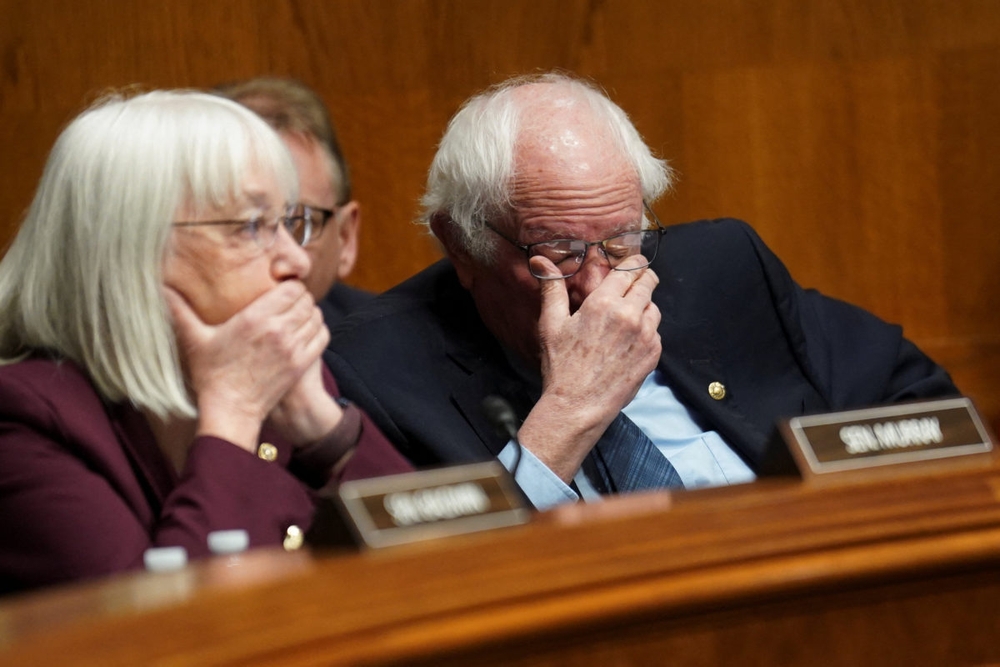
Washington finds itself plunged into yet another manufactured crisis as Democratic senators declare their opposition to funding the Department of Homeland Security following two fatal shootings involving Immigration and Customs Enforcement agents. This political standoff, triggered by the tragic deaths of Alex Pretti, a 37-year-old ICU nurse, and Renee Good, a mother of three, threatens to trigger a partial government shutdown by week’s end. The constitutional implications are staggering—elected officials are leveraging essential government functions as bargaining chips while American citizens continue to suffer the consequences of both violent encounters and political dysfunction.
Six of the twelve annual spending bills have been signed into law, but the remaining package—which includes Homeland Security funding—faces Democratic opposition that could paralyze critical government operations. Senate Democratic Leader Chuck Schumer declared that Democrats “will not provide the votes to proceed to the appropriations bill if the DHS funding bill is included,” citing what he called “woefully inadequate” provisions to address ICE abuses. The procedural hurdles are significant, with the House having sent the six funding bills as a package that makes it difficult to separate the controversial DHS portion.
The Tragic Incidents Behind the Standoff
The political confrontation stems directly from two separate incidents in Minnesota that have raised serious questions about ICE operations and accountability. Federal officials have defended the actions of agents involved in both shootings as justified, while Democrats point to video evidence they claim shows otherwise. The Saturday shooting of Alex Pretti appears to have been the breaking point for many Democrats who had previously been willing to support the funding package.
The response from Republicans has been mixed, reflecting the difficult position the party faces. Senator Bill Cassidy (R-La.) called the events “incredibly disturbing” and emphasized that “the credibility of ICE and DHS are at stake,” while Senator Thom Tillis (R-N.C.) demanded a “thorough and impartial investigation.” Meanwhile, Senator Lindsey Graham (R-S.C.) criticized Democratic threats to withhold funding, arguing that “now is not the time to defund one of our major national security priorities.”
The Procedural Quandary
The Senate faces an almost impossible timeline, with funding set to expire at midnight Friday and the chamber not scheduled to return until Tuesday due to weather conditions. The House plans to be out of session this week, creating additional complications if any changes need to be made to the funding package. Democrats are demanding policy changes including requiring warrants for immigration arrests, strengthened training, identification requirements for agents, and restrictions on Border Patrol agents assisting with interior immigration raids.
Connecticut Senator Chris Murphy articulated the Democratic position starkly on CNN’s “State of the Union,” stating that Congress cannot fund a department “that is murdering American citizens, that is traumatizing little boys and girls across the country in violation of the law.” This moral argument has resonated within the Democratic caucus, with Senators Jacky Rosen and Catherine Cortez Masto of Nevada joining Minnesota Senators Tina Smith and Amy Klobuchar in opposition to the DHS funding bill.
The Institutional Consequences
What makes this standoff particularly concerning from a constitutional perspective is that it represents the latest escalation in a pattern of governing by crisis that has become normalized in Washington. The 43-day shutdown last fall—centered on Affordable Care Act subsidies—demonstrated the human cost of these political games, and yet here we are again, with essential government functions held hostage to policy disputes.
The fact that much of the government would continue operating due to previously passed funding bills provides little comfort. A partial shutdown still disrupts critical operations and undermines public confidence in governance. When citizens cannot rely on their government to perform basic functions without constant threat of paralysis, the social contract itself begins to fray.
The Democratic Principles at Stake
From a constitutional perspective, this crisis touches on multiple fundamental principles of American governance. The separation of powers requires Congress to exercise its power of the purse as a check on executive agencies, but that power must be wielded responsibly, not as a blunt instrument that threatens governmental stability. The Democrats’ demands for increased oversight and accountability measures are legitimate exercises of congressional authority, but the timing and method raise serious questions about responsible governance.
The rule of law demands that law enforcement agencies operate with transparency and accountability. The videos of the shootings that Democrats reference—if they indeed show improper conduct—would represent exactly the kind of governmental abuse that requires congressional intervention. However, shutting down government functions represents an extreme response that may ultimately undermine the very oversight mechanisms needed to prevent future abuses.
The Human Dimension
Behind the political maneuvering lie real human tragedies—families torn apart by violence, communities traumatized by encounters with federal agents, and government employees facing uncertainty about their livelihoods. The democratic process should serve to address these human concerns through careful legislation and oversight, not exacerbate them through brinkmanship that threatens essential services.
The appropriate congressional response to allegations of law enforcement misconduct involves investigations, hearings, and targeted legislative reforms—not holding entire departments hostage. While the frustration driving Democratic opposition is understandable given the gravity of the allegations, the chosen tactic risks creating additional victims through government dysfunction.
The Path Forward
The solution lies in responsible leadership from both parties. Republicans must acknowledge the legitimate concerns about ICE operations and agree to meaningful oversight provisions. Democrats must recognize that threatening government operations harms the very citizens they seek to protect. Both sides need to return to the negotiating table with a commitment to both accountability and stable governance.
Senator Schumer’s suggestion that Republicans work with Democrats to advance the other five bills while rewriting the DHS portion represents a reasonable compromise approach. However, the compressed timeline and procedural complications make this path challenging. What’s needed most is a return to regular order in appropriations—a process that has broken down completely in recent years.
Conclusion: Principles Over Politics
This crisis represents a fundamental test of whether our political system can still function according to constitutional principles rather than descending into permanent crisis governance. The founders envisioned a system of checks and balances that would prevent abuse of power while maintaining governmental stability. What we’re witnessing today is the distortion of those checks into weapons of political warfare.
The solution requires statesmanship from leaders in both parties who prioritize institutional integrity over short-term political gains. Americans deserve a government that both protects their safety and respects their rights—not one that lurches from crisis to crisis while fundamental problems go unaddressed. The path forward demands that our elected officials remember their oath to uphold the Constitution—all of it, not just the parts convenient to their political objectives.