
California's Insurance Crisis: A Betrayal of Wildfire Victims and Democratic Principles
Published
- 3 min read
The Facts: Regulatory Capitulation and Corporate Exploitation
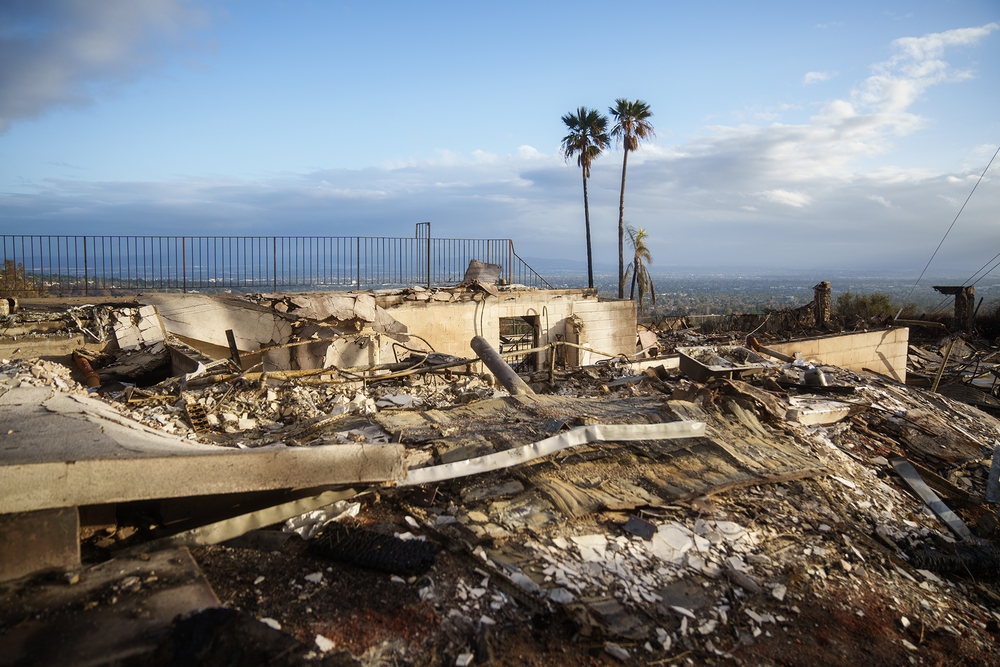
As the first anniversary of Southern California’s devastating wildfires approaches, a disturbing pattern of regulatory failure and corporate exploitation has emerged. California Insurance Commissioner Ricardo Lara recently approved a 6.9% rate increase for Mercury Insurance and CSAA Insurance, with similar hikes pending for Farmers Insurance Group and the FAIR plan. This follows last year’s approval of a 17% rate increase for State Farm homeowners after the Los Angeles fires.
These decisions represent part of a broader “Sustainable Insurance Strategy” that essentially capitulates to insurance industry demands for deregulation and higher premiums. The industry has engaged in what can only be described as economic hostage-taking—threatening to withdraw from California entirely unless granted favorable treatment. Meanwhile, hundreds of wildfire survivors report that the same companies demanding rate increases have failed to adequately compensate them for damages, with adjusters instructed to avoid written coverage denials and offer low settlements.
The Context: Climate Change and Corporate Accountability
The insurance industry’s recent wave of rate hikes has been directly encouraged by regulators and politicians from both parties, creating what the article accurately describes as a “manufactured crisis.” Climate change has dramatically increased the likelihood of destructive wildfires, yet instead of holding responsible parties accountable, California’s leadership is forcing ordinary consumers to pay the ransom demanded by insurance companies.
Private insurers are using internal claim procedures designed to pay policyholders as little as possible after disasters. They prematurely cut off compensation for survivors whose houses remain contaminated with carcinogens, relying on industry-funded research to minimize payouts. This systematic exploitation occurs after every major wildfire, with regulators typically turning a blind eye due to fear of challenging insurance industry power.
Opinion: A Fundamental Failure of Democratic Governance
What we are witnessing in California represents more than just poor policy decisions—it constitutes a fundamental betrayal of democratic principles and a failure of governance that should alarm every American who believes in justice, accountability, and the proper role of government in protecting citizens from corporate exploitation.
The insurance industry’s coordinated boycott of California and subsequent rate hike approvals demonstrate how easily corporate power can subvert democratic institutions. When regulators cannot see beyond the horizon of private insurance systems and politicians from both parties enable this exploitation, we must question whether our system still serves the people or has been captured by corporate interests.
This crisis exposes the moral bankruptcy of treating insurance as a commodity rather than a fundamental right. In a climate-changed world where disasters become increasingly likely for all citizens, the notion that recovery should depend on profit-driven corporate decisions is fundamentally anti-human and undemocratic. The very concept that billionaires who caused climate destruction through fossil fuel extraction should profit while wildfire victims struggle to rebuild represents a perversion of justice that should outrage every conscience.
The Path Forward: Public Insurance and Real Accountability
The solution cannot be found in further capitulation to corporate demands or half-measures that maintain the current exploitative structure. We need bold, transformative solutions that recognize insurance as a public good rather than a private commodity. A public insurance plan funded by taxes on those responsible for the climate crisis—the fossil fuel industry and utility companies—represents the only morally defensible and practically sustainable path forward.
California already provides a de facto right to home insurance through the FAIR plan, but this remains managed by the same private companies that deny policies initially. We must envision a truly public system without the profit motive that drives companies to deny and limit claims. Such a system would allow maximum coverage while ensuring that those who created the climate crisis bear its costs rather than victims already suffering unimaginable losses.
As someone deeply committed to democratic principles and human dignity, I find the current situation not just disappointing but morally reprehensible. The quiet approval of rate hikes during the holiday season—when many wildfire victims were struggling to celebrate in temporary housing—demonstrates a profound lack of empathy and accountability from elected officials.
Conclusion: Reclaiming Democratic Values
This insurance crisis represents a critical test for California and for American democracy itself. Will we continue allowing corporate interests to hold our communities hostage, or will we reclaim the democratic principle that government should serve the people rather than powerful industries?
The answer must be a resounding commitment to public insurance, rigorous accountability for climate polluters, and unwavering support for wildfire survivors. We must freeze all rate hikes immediately and conduct thorough market conduct investigations of the largest property and casualty insurers. More importantly, we must fundamentally reimagine our approach to climate disaster recovery through a lens of justice, equity, and human dignity.
Democracy requires that we protect the vulnerable from exploitation, hold powerful actors accountable, and ensure that all citizens can rebuild their lives after disaster. The current insurance crisis represents a failure on all these fronts—but it also represents an opportunity to build something better, fairer, and more democratic. The choice before us is clear: continue with a system that serves corporate profits, or fight for one that serves people and principles.