
California's Insurance Crisis: A Betrayal of Promise and a Test of Principle
Published
- 3 min read
The Unraveling of a Cornerstone
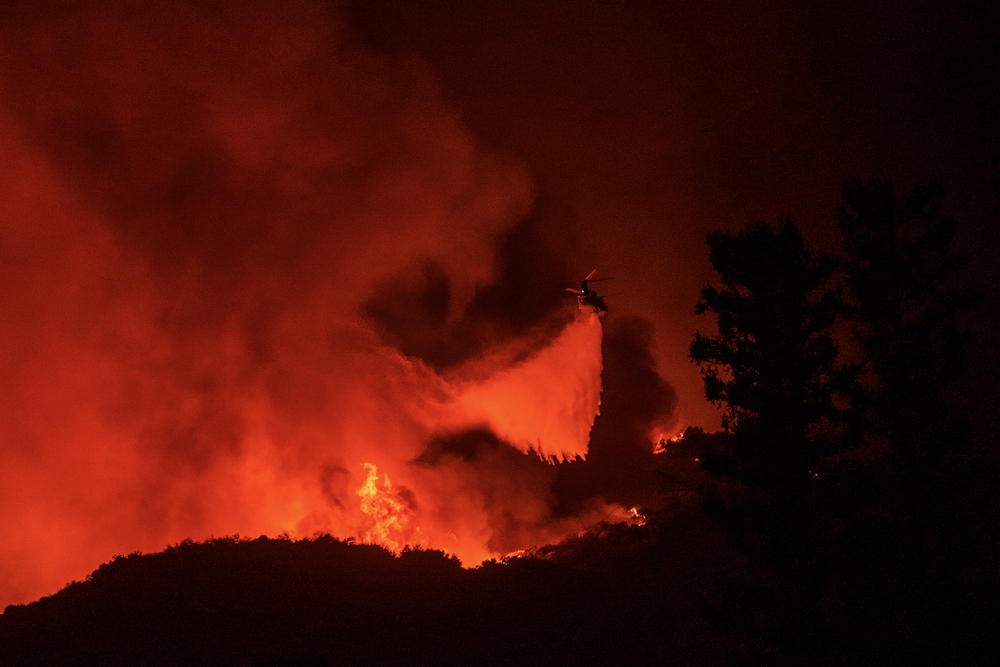
As the first anniversary of devastating Southern California wildfires approaches, the state confronts an insurance crisis of monumental proportions. Coverage is becoming scarcer, premiums are soaring, and policy cancellations are escalating at an alarming rate. This isn’t merely a market fluctuation; it is a systemic failure that threatens the financial security of families, homeowners, and small businesses across California. The situation has become so dire that it has emerged as a central issue for candidates vying for the position of state Insurance Commissioner in the 2026 race. The core of the problem, as articulated by one seasoned insurance professional with nearly four decades of experience, is that the foundational promise of insurance—a guarantee of recovery from tragedy—is breaking down. This promise is described not as a simple financial transaction but as a cornerstone of economic stability, a vital institution that has served California well for generations but is now on the brink of collapse.
The Anatomy of a Systemic Failure
The path to this crisis is not one of sudden corporate greed or indifference, but rather a slow, insidious erosion caused by decades of accumulating regulations and rigid price controls. These policies have fundamentally constrained the insurance industry’s ability to price risk accurately. Insurance, at its heart, is a business of predictability. It requires a clear understanding of potential losses to function sustainably. When artificial constraints, such as those imposed by well-intentioned but ultimately counterproductive regulations, disrupt this process, the entire system becomes unstable. The result is a vicious cycle: insurers, unable to operate reliably under these conditions, pull back from markets, deny coverage, or leave the state entirely. This reduction in availability and competition leads directly to the deteriorating service, fewer choices, and escalating prices that Californians are now experiencing. The state’s FAIR Plan, designed as a last-resort safety net for a limited number of high-risk properties, has been forced to bear an unsustainable burden due to the absence of a competitive private market, further destabilizing the entire ecosystem. This has created a landscape of anger and confusion among customers, helplessness among insurance agents, and mounting losses for insurers, all while political finger-pointing replaces the serious, solution-oriented discussion that this emergency demands.
A Crisis of Our Own Making: The Perils of Mismanaged Risk
This is not just an insurance crisis; it is a profound failure of governance and a stark warning about the consequences of ignoring basic economic principles. The sanctity of a contract, the reliability of a promise—these are not mere commercial concepts but fundamental pillars of a free and orderly society. When the state enacts policies that systematically undermine the very mechanisms that allow such promises to be kept, it engages in a form of institutional self-sabotage. The argument that California must choose between robust consumer protection and a functioning insurance market is a false dichotomy, one often promoted by those who benefit from a controlled economy rather than a free and dynamic one. In reality, a truly competitive market is the ultimate form of consumer protection. It drives innovation, improves service, and lowers costs through choice and efficiency. The current regulatory stranglehold has achieved the opposite: it has stifled competition, eroded quality, and left consumers with fewer options at higher prices. This is a direct assault on economic liberty, limiting the freedom of individuals and businesses to secure their own futures against unforeseen disasters.
The insufficient focus on wildfire prevention and mitigation mentioned in the candidate’s commentary is particularly galling. It represents a catastrophic failure to address the root cause of the problem. Instead of managing the risk through prudent forest management, controlled burns, and investment in resilient infrastructure, the political response has been to layer on regulations that treat the symptoms while the disease—the unmanaged risk itself—rages on. This is akin to trying to stop a flood by mandating better buckets instead of building a levee. It is a shortsighted approach that prioritizes the appearance of action over effective, long-term solutions. The result is that Californians are left doubly vulnerable: exposed to the physical danger of wildfires and then abandoned by the financial safety net that is supposed to help them rebuild.
Restoring Trust Through Freedom and Sound Principles
The solution, as the commentary correctly identifies, lies in a recommitment to foundational principles: free markets, actuarial soundness, and actionable risk management. These are not radical or partisan ideas; they are the bedrock of a stable and prosperous society. A free market in insurance is not a lawless free-for-all; it is a system governed by the disciplined mathematics of risk assessment. Actuarial soundness ensures that promises made can be promises kept, that the capital exists to pay claims when disaster strikes. By allowing insurers to price risk accurately based on real-world data, we restore predictability and trust. This, in turn, will attract capital back to the California market, fostering the renewed competition that is desperately needed. This competition will naturally reduce the state’s over-reliance on the FAIR Plan, allowing it to return to its intended role as a last resort rather than a primary option.
This crisis is a test of our resolve to uphold the institutions that guarantee our liberty and security. The promise of insurance is a human promise—one of resilience, recovery, and the ability to persevere in the face of tragedy. To allow this promise to be broken by regulatory incompetence and a refusal to confront hard truths is an affront to every Californian who works hard, pays their premiums, and relies on that promise for peace of mind. The path forward requires courage and intellectual honesty. It demands that we reject the easy allure of populist price controls and instead embrace the disciplined, effective solutions offered by economic freedom and sound risk management. The insurance industry can and must once again become the quiet, essential pillar of our economy. This crisis is indeed fixable, but only if we have the will to fix it with truth, discipline, and a steadfast commitment to the principles of liberty that make such promises possible in the first place.