
A Principled Path Forward: Confronting California's Insurance Crisis with Honesty and Market Solutions
Published
- 3 min read
The Looming Crisis and a Candidate’s Response
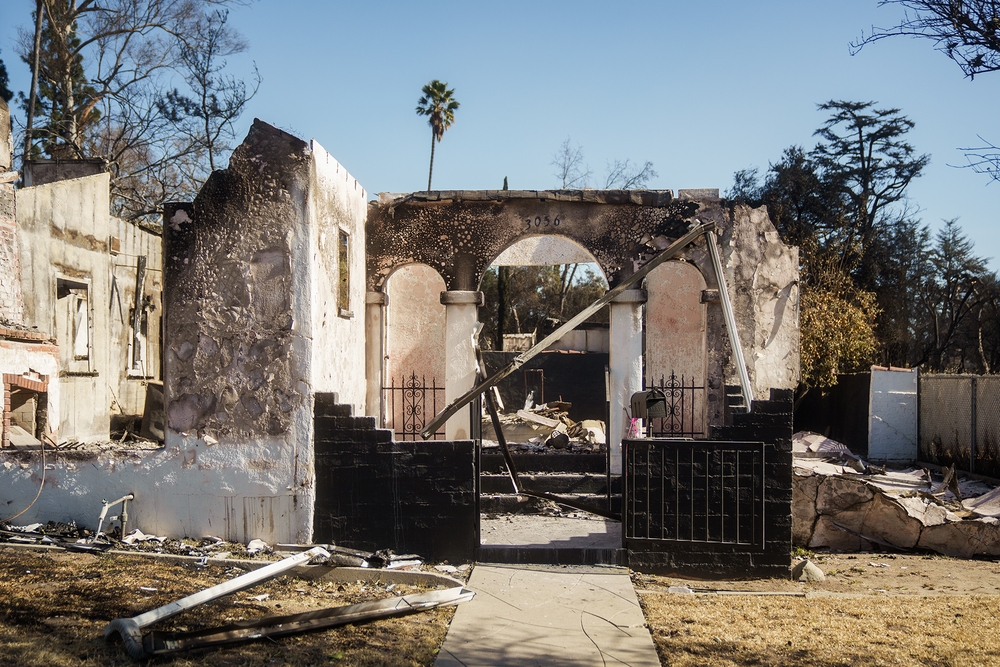
With the somber anniversary of Southern California’s devastating wildfires approaching, the state’s property insurance market stands at a precipice. The very fabric of homeownership security is unraveling as insurers retreat from high-risk areas, premiums skyrocket, and thousands of Californians find themselves reliant on the state’s FAIR Plan—a safety net never designed to bear such overwhelming weight. Against this backdrop of genuine crisis, CalMatters has undertaken a crucial civic exercise: asking candidates for the 2026 state Insurance Commissioner race to present their visions for stabilizing this vital market. The response from one candidate, grounded in personal experience and clear-eyed pragmatism, offers not just policy prescriptions but a philosophical framework worthy of serious consideration.
This candidate brings a unique perspective shaped by childhood experiences watching his father, Booker, sell life insurance in Gardena. These formative moments around the dinner table and after church services instilled a deep appreciation for insurance as both a practical necessity and a moral commitment—a understanding that transcends political expediency and speaks to the fundamental promise of security that underpins the American dream of homeownership. This background informs a approach that is refreshingly devoid of the empty rhetoric that often characterizes political discourse on complex financial matters.
The Core Proposals: Market Mechanics and Regulatory Reform
The candidate’s plan rests on several interconnected pillars that acknowledge both the immediate emergency and the long-term structural challenges. First, there is an unambiguous acknowledgment of climate change as an “inconvenient truth”—echoing Al Gore’s seminal work—that fundamentally alters risk calculations. This refusal to sugarcoat reality is itself a radical departure from the denialism that often paralyzes meaningful policy action. The proposal calls for rate determinations based squarely on “science, reality and the long-term best interests of Californians,” establishing a foundation of honesty upon which sustainable solutions can be built.
Operationally, the candidate suggests streamlining California’s notoriously cumbersome rate review process by increasing staffing, eliminating non-productive administrative hurdles not mandated by Proposition 103, and creating a “fast path” for rate adjustments below a certain threshold. The deregulation of commercial rates is proposed based on the reasonable premise that commercial policyholders possess sophisticated risk management capabilities. For the overburdened FAIR Plan, support is expressed for Assembly Bill 226—sponsored by Assemblymember Lisa Calderon—which would allow bond issuance to enhance claims-paying capacity, drawing parallels to successful similar measures during California’s workers’ compensation crisis decades earlier.
The Moral Imperative of Market-Based Solutions
What makes this approach particularly compelling from a constitutional and democratic perspective is its commitment to preserving choice and competition—cornerstones of economic freedom. The candidate correctly identifies that consumer protection is ultimately best served by “a vibrant insurance market with competition” rather than heavy-handed price controls that may provide short-term relief while driving insurers from the state entirely. This reflects a mature understanding that sustainable consumer protection requires balancing immediate needs with long-term market viability.
There is profound wisdom in the observation that we need only “look at the Florida insurance market to learn what not to do.” Florida’s descent into insurance market collapse—where major insurers have abandoned the state entirely—serves as a cautionary tale about what happens when political expediency triumphs over actuarial reality. The candidate’s proposal represents a courageous middle path that acknowledges the legitimate concerns of homeowners while respecting the economic realities that insurers face in an era of climate-amplified disasters.
Honesty as the Foundation of Democratic Governance
Perhaps the most refreshing aspect of this candidate’s approach is its foundational honesty. In an age where political discourse often consists of promising painless solutions to complex problems, this candidate explicitly acknowledges that “reinvigorating our insurance market will not occur overnight, because the problems and issues did not materialize overnight.” This straightforward recognition of complexity and the need for difficult choices is precisely what democratic governance requires but so rarely receives.
The proposal’s strength lies in its rejection of false binaries. It does not pit consumer protection against market efficiency, nor does it frame environmental reality as incompatible with economic prosperity. Instead, it seeks to harmonize these legitimate concerns through mechanisms that enhance transparency, streamline bureaucracy, and spread risk more efficiently. The suggestion to include the FAIR Plan in the California Insurance Guarantee Association represents exactly the kind of innovative thinking that moves beyond ideological rigidness toward practical solutions.
A Testament to Constitutional Principles in Action
At its core, this insurance proposal embodies constitutional principles of limited, effective governance. It seeks to reform regulations that have become counterproductive without abandoning necessary consumer protections. It acknowledges the proper role of government in ensuring market stability while respecting the private sector’s capacity for innovation and risk management. Most importantly, it treats citizens as adults capable of understanding complex trade-offs rather than children to be placated with empty promises.
The candidate’s personal narrative—grounded in watching his father help community members understand insurance—speaks to a deeper commitment to civic education and empowerment. The plan to “enhance consumer education” is not merely an afterthought but reflects an understanding that informed citizens make better decisions and ultimately strengthen democratic institutions. In a nation founded on the principle of self-governance, there can be no more important goal than equipping citizens with the knowledge they need to navigate complex systems.
Conclusion: Leadership Worthy of the Challenge
As California faces the twin challenges of climate change and insurance market instability, the state requires leaders who can articulate difficult truths while proposing workable solutions. This candidate’s approach—pragmatic, principle-driven, and honest—represents exactly the kind of leadership that can guide California through this crisis while strengthening the democratic institutions that make such navigation possible. The proposal merits serious consideration not merely for its specific policy recommendations but for the philosophy of governance it represents: one that respects both economic reality and the fundamental promise of security that underpins our social contract.
In the final analysis, the measure of leadership is not the ability to promise easy solutions but the courage to confront hard truths. This insurance proposal demonstrates that courage while remaining firmly grounded in the constitutional principles of limited government, economic freedom, and individual empowerment that have made America exceptional. As wildfires continue to threaten California communities, this vision offers not just a path to insurance market stability but a reaffirmation of the democratic values that must guide us through all crises.