
A New Era in New Jersey: Mikie Sherrill's Historic Governorship and What It Means for American Democracy
Published
- 3 min read
The Historical Context and Facts
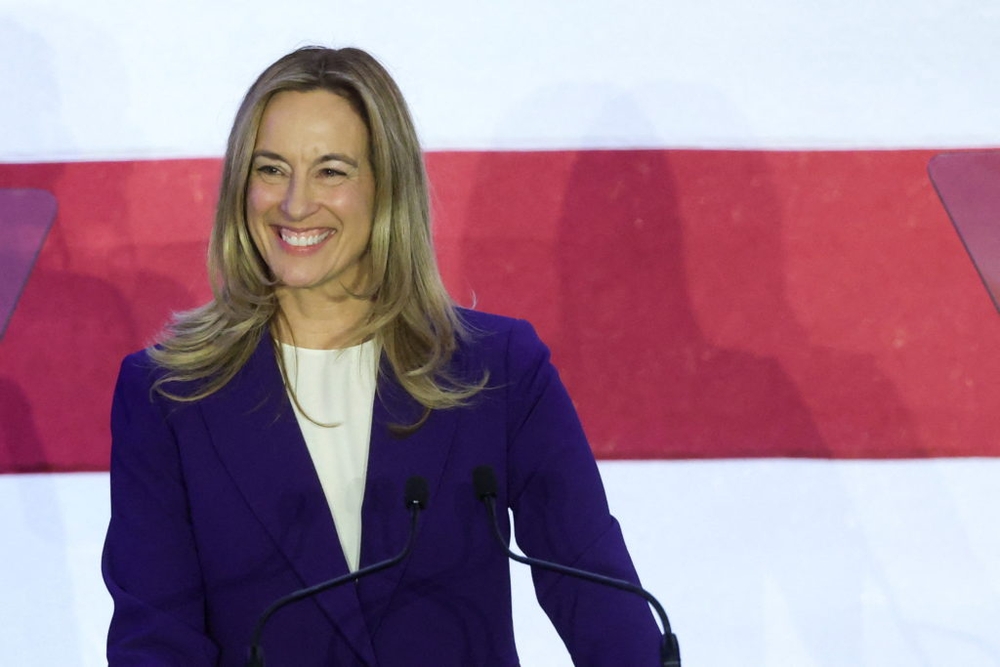
On a significant Tuesday in New Jersey’s political history, Mikie Sherrill was sworn in as the state’s 57th chief executive, marking a groundbreaking moment as the first Democratic woman to achieve this position. This inauguration represents not just a personal achievement for Sherrill, but a milestone in the state’s political evolution. Sherrill, who previously served as a federal prosecutor and Navy helicopter pilot before representing New Jersey’s 11th Congressional District in the U.S. House, brings a diverse and impressive background to the governor’s office.
The ceremony also saw Dale Caldwell take office as lieutenant governor. Caldwell, who serves as pastor at Covenant United Methodist Church in Plainfield and has been president of Centenary University since 2023, now assumes the second-highest office in the state government. The Democratic ticket’s victory was decisive, with Sherrill defeating Republican challenger Jack Ciattarelli, a former state representative, by approximately 14 percentage points in the November gubernatorial election.
Sherrill succeeds Democratic Governor Phil Murphy and will serve a four-year term leading one of America’s most populous and economically significant states. This transition of power occurs through the established democratic processes that have characterized New Jersey’s political system for generations.
The Significance of Representation in American Democracy
The elevation of Mikie Sherrill to New Jersey’s highest office represents more than just a political victory—it symbolizes the evolving nature of American democracy and the breaking of historical barriers. For too long, certain offices remained inaccessible to qualified individuals based on gender, background, or other characteristics unrelated to capability and merit. Sherrill’s achievement demonstrates that our democratic systems can evolve to become more inclusive while maintaining high standards of qualification and experience.
Her background as a Navy helicopter pilot and federal prosecutor brings a unique perspective to governance that combines military discipline with legal expertise. This diverse experience portfolio strengthens our institutions by introducing varied approaches to problem-solving and leadership. In a nation founded on the principle that all are created equal, seeing that principle manifest in our highest offices reinforces the vitality of our democratic experiment.
The Importance of Peaceful Transitions
The swearing-in ceremony represents the beautiful machinery of American democracy operating as designed. Despite political differences and vigorous electoral competition, power transferred peacefully from one administration to the next. This process, which we sometimes take for granted, remains one of the most remarkable aspects of our constitutional system. In a world where many nations struggle with violent transitions or contested power changes, New Jersey’s orderly inauguration ceremony stands as a testament to institutional strength and democratic maturity.
Strengthening Institutions Through Diverse Leadership
Sherrill’s election and inauguration demonstrate that our political institutions grow stronger when they reflect the diversity of the population they serve. Different life experiences bring different perspectives to governance, which ultimately leads to more comprehensive policy solutions. The fact that voters chose a candidate with military, legal, and legislative experience suggests they value substantive qualifications over superficial characteristics—a healthy sign for any democracy.
This moment also highlights the importance of state-level leadership in the American federal system. Governors play crucial roles in implementing policies that directly affect citizens’ daily lives, from education and healthcare to infrastructure and economic development. Strong, effective state governance is essential to maintaining public trust in all levels of government.
The Ongoing Work of Perfecting Our Democracy
While we celebrate this historic moment, we must recognize that the work of perfecting our democracy continues. Every barrier broken should inspire us to identify and address remaining obstacles to full participation and representation. The peaceful transfer of power, the respect for electoral outcomes, and the celebration of democratic milestones—these are the traditions that must be preserved and cherished.
Sherrill’s administration now faces the responsibility of governing effectively for all New Jersey residents, regardless of political affiliation. Her success will be measured not by her gender or party affiliation, but by her commitment to constitutional principles, effective governance, and the welfare of all citizens. This is how democracy should work—merit-based leadership accountable to the people.
Conclusion: A Celebration of Democratic Progress
Mikie Sherrill’s inauguration as New Jersey’s first Democratic woman governor represents a significant moment in American political history. It demonstrates that our democratic institutions can evolve while maintaining their strength and integrity. The diverse backgrounds of both Sherrill and Lieutenant Governor Caldwell bring valuable perspectives to governance that can only strengthen their ability to serve all New Jersey residents.
As we reflect on this achievement, we must recommit to supporting democratic processes, respecting institutional norms, and celebrating progress while acknowledging the work still ahead. The true beauty of American democracy lies in its capacity for renewal and improvement while maintaining fidelity to its founding principles of liberty, justice, and representative government.
This moment in New Jersey politics should inspire all Americans to engage with our democratic processes, support qualified candidates from diverse backgrounds, and maintain vigilance in protecting the institutions that make such historic moments possible. The continued health of our democracy depends on our collective commitment to these principles.