
Tragedy at the White House: When Security Failures Meet Political Opportunism
Published
- 3 min read
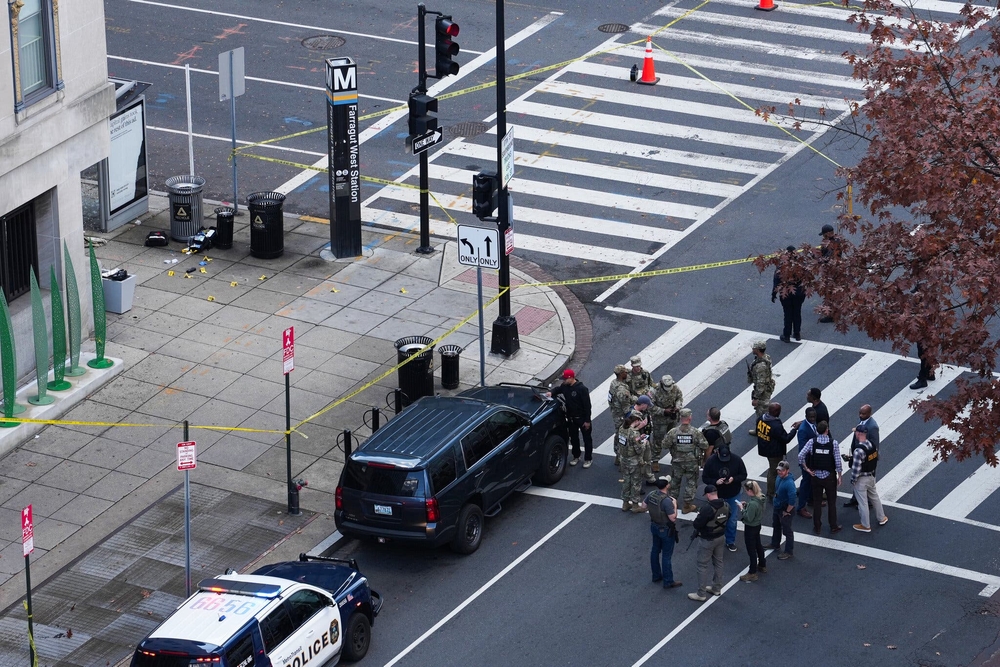
The Facts of the Shooting Incident
On Thanksgiving eve, just blocks from the White House, a shooting occurred that claimed the life of 20-year-old Army Specialist Sarah Beckstrom and left 24-year-old Air Force Staff Sgt. Andrew Wolfe in serious condition. The attack took place near the Farragut West Metro station around 2:15 p.m. on Wednesday, with the suspect using a .357 revolver to target these National Guard members from West Virginia. The alleged perpetrator, Rahmanullah Lakanwal, a 29-year-old Afghan man, was subsequently injured after being shot by other National Guard members and remains under watch at a Washington, D.C. hospital.
The Suspect’s Background and Immigration Status
Mr. Lakanwal’s history reveals a complex and troubling background. He served in a CIA-backed paramilitary unit in Afghanistan known as a “Zero Unit,” which operated outside normal chains of command and gained notoriety for ruthless tactics that human rights groups often characterized as “death squads.” According to childhood friends, Lakanwal suffered from mental health issues and was deeply disturbed by the casualties his unit had caused during operations.
The suspect entered the United States in September 2021 through Operation Allies Welcome, the Biden-era Afghan resettlement program that allowed certain Afghan nationals temporary two-year stays without providing a path to permanent immigration status. Homeland Security Secretary Kristi Noem confirmed his entry through this program, and according to three sources with knowledge of the case, Lakanwal was granted asylum by the U.S. government in April. At the time of the shooting, he was living in Bellingham, Washington, with his wife and several children.
Immediate Political Response and Policy Changes
The Trump administration’s response was swift and severe. Following the revelation of Lakanwal’s immigration status, Joe Edlow, director of U.S. Citizenship and Immigration Services, ordered a review of “every Green Card for every alien from every country of concern.” The administration announced new policies making it harder for immigrants from banned countries, including Afghanistan, to obtain green cards and other immigration benefits.
President Trump described the suspect as “nuts” and claimed there was “no vetting” by the Biden administration, despite evidence that Lakanwal had undergone vetting processes. In social media posts, Trump vowed to “permanently pause migration from all Third World Countries” without providing details on implementation. Additionally, the president ordered 500 additional National Guard troops to the capital, adding to the 2,000 already deployed since August as part of his crackdown on immigration and crime.
The Human Cost and Institutional Context
This tragedy occurs against a backdrop of heightened tensions regarding immigration policy and national security. National Guard commanders had warned in internal memos in August that troops deployed to the capital were “in a heightened threat environment,” noting that civilians and politically motivated actors could “attempt to engage.” The Guard members have been patrolling subway stops, tourist areas, and assisting in intensified immigration and deportation operations.
U.S. Attorney for the District of Columbia Jeanine Pirro announced that charges would include first-degree murder following Specialist Beckstrom’s death, along with three counts of possession of a firearm during a crime of violence and two counts of assault with intent to kill while armed.
A Failure of Systems and Compassion
This devastating incident represents multiple systemic failures that demand sober reflection rather than political exploitation. First, the mental health needs of veterans and former combatants—whether American or allied—remain inadequately addressed. The article notes that Lakanwal was “disturbed by the casualties his unit had caused,” suggesting that proper psychological screening and support might have prevented this tragedy. Our nation has a sacred obligation to care for those who have experienced the trauma of combat, regardless of their nationality.
Second, the immediate politicization of this tragedy represents a dangerous erosion of our democratic discourse. When a president uses a single horrific incident to justify sweeping changes affecting millions of people, we must question whether security or political theater is the true motivation. The claim that there was “no vetting” contradicts the established facts that Lakanwal went through multiple layers of screening, including ultimately receiving asylum approval through proper channels.
The Danger of Reactive Policy Making
History teaches us that policy made in the heat of tragedy often creates more problems than it solves. The Trump administration’s response—ordering reviews of every green card from “countries of concern” and threatening to halt migration from entire categories of nations—represents precisely the kind of reactive governance that undermines both security and American values.
Effective security requires nuanced, intelligence-driven approaches, not blanket policies that punish entire populations for the actions of individuals. The proposed measures would not only harm legitimate asylum seekers fleeing persecution but would also damage America’s moral standing in the world and potentially create more security risks by fueling anti-American sentiment.
Honoring the Fallen Through Principle
Specialist Sarah Beckstrom swore an oath to defend the Constitution against all enemies, foreign and domestic. The greatest honor we can pay her memory is to ensure that in responding to this attack, we do not become the enemies of our own values. Her sacrifice should not be used to justify policies that undermine the very freedoms she died protecting.
We must demand thorough investigations into what went wrong in this specific case—what signs might have been missed in mental health screenings, whether proper protocols were followed in vetting processes, and how we can improve our support systems for combat veterans from all nations. These are difficult questions that require careful consideration, not political soundbites.
The Path Forward: Security With Compassion
As a nation founded by refugees and built by immigrants, America must find a balance between security and compassion. The answer to security failures is not to abandon our humanitarian traditions but to improve our systems with wisdom and precision. We need better mental health support, more sophisticated vetting processes, and more resources for integration programs—not reactionary policies that violate our principles.
The victims of this tragedy—Specialist Beckstrom, Sergeant Wolfe, and their families—deserve a response that honors their sacrifice by making America both safer and more faithful to its founding ideals. We must reject the politics of fear and division that seek to exploit their suffering for political gain. In their memory, let us recommit to building a nation that is both secure and free, both protected and compassionate—a nation worthy of their sacrifice.