
The White House Concert: When Political Theater Replaces Governance
Published
- 3 min read
The Facts of the Event
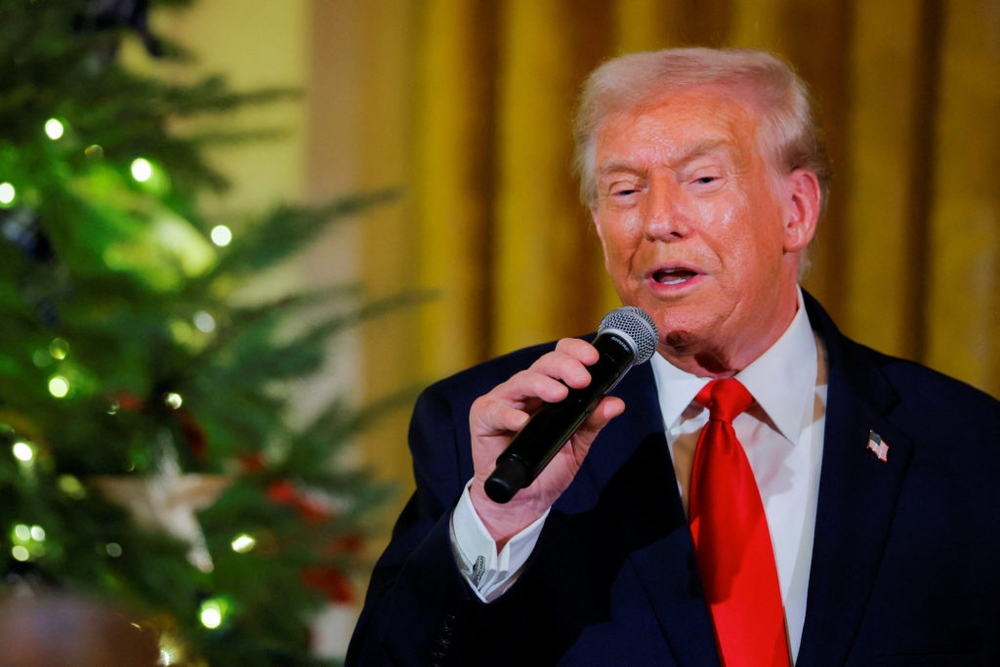
On Friday, President Donald Trump hosted Italian tenor Andrea Bocelli for a private concert at the White House. The event occurred in the East Room and was attended exclusively by Republican members of Congress and members of Trump’s Cabinet. The president introduced Bocelli with effusive praise, calling his voice “the voice of an angel” and noting that they were friends. Trump revealed that he had personally invited Bocelli approximately four weeks prior to perform at the executive mansion. This private gathering followed a public ceremony at the Kennedy Center where Bocelli had performed as part of the FIFA 2026 World Cup draw festivities, during which Trump was awarded the FIFA Peace Prize. First Lady Melania Trump accompanied the president throughout these events.
The Context of Presidential Traditions
The White House has historically served as a venue for cultural events that celebrate American artistry and occasionally showcase international talent. From musical performances to poetry readings, these events traditionally aim to reflect the cultural diversity and artistic excellence of the nation. However, these gatherings have typically maintained either an official diplomatic function or a broadly inclusive character that transcends partisan politics. Previous administrations have hosted events that brought together lawmakers from both parties, foreign dignitaries, or cultural figures in ways that emphasized the White House as the People’s House—a symbol of national unity rather than partisan affiliation.
The Erosion of Institutional Norms
What makes this particular event concerning is not the appreciation of Andrea Bocelli’s musical talent—which is undoubtedly world-class—but the explicitly partisan nature of the gathering. By hosting an exclusive event for Republican lawmakers and cabinet members, the Trump administration continued a pattern of using official resources and the symbolic power of the presidency for what appears to be political entertainment rather than official business. This represents another subtle erosion of the norms that separate governing from campaigning, official functions from political activities.
When the White House transforms into a venue for entertaining political allies rather than serving as a neutral ground for the execution of government business, it undermines the very concept of non-partisan governance. The executive mansion belongs to the American people—not to a political party—and its use should reflect this fundamental principle. While previous administrations have certainly hosted political allies, the exclusivity and partisan character of this event represents a concerning departure from traditional norms of inclusivity and non-partisan use of official resources.
The Blurring of Lines Between Governance and Entertainment
The Trump administration has consistently blurred the lines between governance, celebrity culture, and political theater. This event exemplifies this troubling trend, where the serious business of governing becomes intertwined with entertainment and personal relationships. The president’s description of his personal friendship with Bocelli and his role in personally arranging the performance raises questions about the appropriate use of presidential time and access.
While building relationships with cultural figures is not inherently problematic, the integration of these relationships into official government functions without clear public purpose deserves scrutiny. The presidency carries immense symbolic weight, and how that symbolic power is deployed matters deeply for democratic accountability. When private relationships begin to drive official events, it creates potential concerns about transparency, appropriate use of resources, and the messages being sent about what the presidency represents.
The Broader Pattern of Norm Violations
This event must be understood within the broader context of the Trump administration’s approach to governmental norms and traditions. From using official speeches for political attacks to hosting partisan events at government properties, this administration has demonstrated a consistent pattern of testing the boundaries between official government business and political activity. Each individual instance might seem minor, but collectively they represent a significant shift in how presidential power is exercised and how government institutions are utilized.
These norm violations matter because democratic systems rely not just on written laws but on unwritten traditions and shared understandings about appropriate behavior. When these norms are consistently eroded, it becomes increasingly difficult to maintain the integrity of governmental institutions. The use of the White House for explicitly partisan entertainment represents another brick removed from the foundation of institutional integrity that supports our democratic system.
The Principle of Equal Access and Representation
A fundamental principle of democratic governance is that government institutions should serve all citizens equally, regardless of political affiliation. When the White House hosts events that exclusively benefit one political party, it sends a message that the government favors certain citizens over others. This is particularly problematic when the event involves cultural programming that could theoretically benefit a broader audience.
The appropriate response to concerns about such events is not to demand that presidents stop hosting cultural events altogether. Rather, it is to insist that such events maintain either an official diplomatic purpose or a character that reflects the diversity of the American public. Cultural programming at the White House should ideally showcase American talent to international audiences or bring together diverse groups of Americans to celebrate shared cultural heritage.
The Importance of Institutional Integrity
What makes this event particularly worthy of attention is what it reveals about the administration’s attitude toward institutional integrity. Democratic institutions derive their power not just from legal authority but from public trust. When leaders treat these institutions as personal property to be used for political or personal purposes, they undermine that trust.
The White House isn’t just a building—it’s a symbol of American democracy and the continuity of our constitutional system. How it is used matters symbolically and practically. Using it for explicitly partisan entertainment risks transforming it from a symbol of national unity into a symbol of partisan division. This erosion of institutional symbolism has real-world consequences for how citizens perceive their government and their place within the democratic system.
Conclusion: Reaffirming Democratic Principles
While a private concert might seem like a minor event in the grand scheme of governance, it represents yet another example of the troubling erosion of norms that separate political activity from official government business. Those who value democratic institutions must remain vigilant about these seemingly small violations, as they collectively contribute to a larger pattern of institutional degradation.
The appropriate use of government resources, including the White House, matters because it reflects our commitment to the principle that government serves all the people—not just political allies. As we move forward, we must demand that all administrations, regardless of party, maintain clear boundaries between political activity and official government business. Our democratic institutions are strengthened when they remain above the partisan fray, and weakened when they become instruments of political entertainment.
Andrea Bocelli’s magnificent voice deserves to be heard in appropriate venues that celebrate cultural excellence without compromising democratic principles. The White House can and should host cultural events, but these events must maintain the dignity, inclusivity, and non-partisan character appropriate to the People’s House. Our democracy depends on maintaining these distinctions, even in seemingly small matters of cultural programming.