
The White House Belongs to the People: Why Trump's Ballroom Project Represents a Constitutional Crisis
Published
- 3 min read
The Facts of the Case
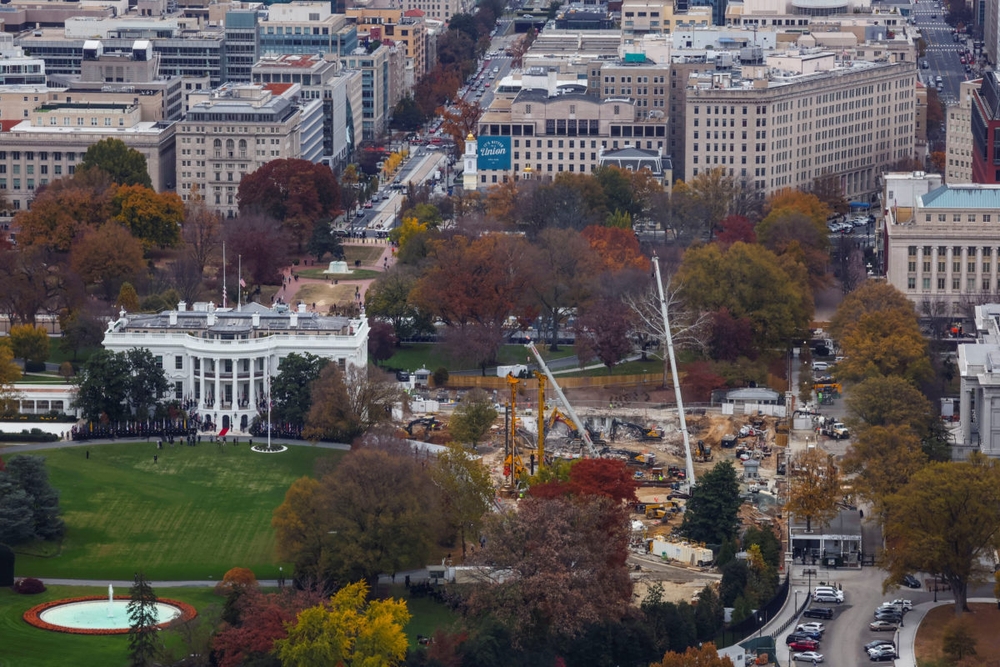
President Donald Trump faces a significant legal challenge from the National Trust for Historic Preservation, which filed a federal lawsuit on Friday seeking to halt his White House ballroom project. The preservation group demands that all construction cease until the project undergoes comprehensive design reviews, environmental assessments, public commentary, and most critically, congressional debate and ratification. This lawsuit represents the most substantial effort to date to challenge the president’s plans for an addition that would nearly double the size of the White House following the demolition of the East Wing.
The legal action centers on the administration’s decision to bypass standard federal building practices and historical reviews, proceeding with demolition and construction without the required approvals. The Trust argues that no president possesses the legal authority to tear down portions of the White House without review or construct on public property without public input. The lawsuit specifically cites violations of the Administrative Procedures Act and the National Environmental Policy Act, while asserting that the president has exceeded his constitutional authority by failing to consult lawmakers.
Context and Background
The White House stands as perhaps the most recognizable and historically significant building in the United States, serving not only as the president’s residence but as a symbol of American democracy itself. Federal statutes clearly outline that “a building or structure shall not be erected on any reservation, park, or public grounds of the Federal Government in the District of Columbia without express authority of Congress.” This requirement exists precisely to prevent exactly the kind of unilateral action the current administration has undertaken.
President Trump has defended the project by emphasizing that it’s being funded with private money, including his own. However, as the lawsuit correctly notes, the funding source does not change how federal laws and procedures apply to what remains a U.S. government project on federal property. The White House is expected to submit plans to the National Capital Planning Commission before year’s end, but this submission comes approximately three months after construction began—a clear case of putting the cart before the horse in terms of proper procedure.
The Dangerous Precedent of Presidential Overreach
This situation represents far more than a simple dispute over architectural preferences or historical preservation. At its core, this case tests the very foundations of constitutional governance and the separation of powers that has safeguarded American democracy for centuries. The president’s actions demonstrate a disturbing pattern of disregarding established legal processes and institutional safeguards that exist to protect the public interest.
The Framers of our Constitution deliberately created a system of checks and balances to prevent any single branch of government from accumulating too much power. By bypassing congressional approval and public input requirements, President Trump isn’t merely building a ballroom—he’s challenging the fundamental principle that no one, not even the president, is above the law. This represents exactly the kind of executive overreach that the Constitution was designed to prevent.
The Assault on Historical Preservation and Public Trust
What makes this case particularly egregious is the destruction of the East Wing, a historically significant part of the White House complex, without proper review or consideration. The National Trust for Historic Preservation exists precisely to prevent such reckless destruction of our national heritage. Their lawsuit isn’t about opposing progress or development—it’s about ensuring that changes to our most important historical landmarks undergo the careful scrutiny they deserve.
The White House belongs to the American people, not to any sitting president. Every citizen has a stake in preserving this symbol of our democracy and ensuring that alterations respect its historical significance. The administration’s failure to seek public input demonstrates a profound disrespect for the principle that government should be transparent and accountable to the people it serves.
The Legal and Constitutional Implications
The lawsuit raises serious questions about the limits of presidential authority regarding federal property. The Trust correctly notes that multiple federal statutes require congressional authorization for construction on federal grounds in Washington, D.C. If the administration succeeds in bypassing these requirements, it would set a dangerous precedent that could allow future presidents to make unilateral changes to any federal property without oversight.
This case also highlights the importance of the Administrative Procedures Act and the National Environmental Policy Act—laws designed to ensure government transparency and environmental responsibility. These statutes exist to prevent exactly the kind of rushed, poorly considered projects that can have unintended consequences for both the environment and the public interest.
The Human Cost of Institutional Destruction
While the physical destruction of the East Wing represents a loss of historical architecture, the greater damage lies in the erosion of institutional norms and legal processes. Each time a president successfully bypasses established procedures, it weakens the safeguards that protect our democracy from authoritarian tendencies. The gradual erosion of these norms represents a far greater threat than the loss of any single building.
Will Scharf, Trump’s appointee as chairman of the National Capital Planning Commission, has stated that the review process will proceed at a “normal and deliberative pace.” However, this assurance rings hollow when demolition has already occurred and construction is underway. Proper procedure requires that review happen before action, not after the fact when officials face pressure to approve what’s already been done.
The Path Forward: Upholding Democratic Principles
This case ultimately represents a test of whether our institutions can withstand pressure from those who would place personal preference above legal process. The courts must uphold the rule of law and require that the administration follow the same procedures that would apply to any other federal project. To do otherwise would be to endorse the dangerous principle that the president stands above the law.
As citizens committed to democratic values, we must support the National Trust’s efforts to ensure proper procedure is followed. This isn’t about partisan politics—it’s about preserving the constitutional principles that protect all Americans from government overreach. The requirement for congressional approval and public input exists for good reason: to ensure that changes to our most important public spaces reflect the will of the people, not the whims of any individual.
Conclusion: Protecting Our Democratic Heritage
The White House ballroom controversy serves as a microcosm of larger struggles over presidential power, institutional integrity, and respect for democratic processes. Our nation’s strength has always derived from our commitment to the rule of law and the system of checks and balances that prevents any branch of government from becoming too powerful.
We must stand firm against any efforts to undermine these fundamental principles, whether they come from this administration or any future one. The preservation of our democratic institutions matters far more than any building project, no matter how grand its ambitions. The lawsuit filed by the National Trust for Historic Preservation represents not just an effort to save a historical landmark, but a defense of the very principles that make American democracy unique and enduring.
In the words of the lawsuit itself: “No president is legally allowed to tear down portions of the White House without any review whatsoever—not President Trump, not President Biden, and not anyone else.” This principle must be upheld, not just for this project, but for the preservation of our democratic system for generations to come.