
The Weaponization of Tragedy: How the Brown University Shooting Became Pretext for Dismantling Legal Immigration
Published
- 3 min read
The Facts: A Tragic Event and Administrative Response
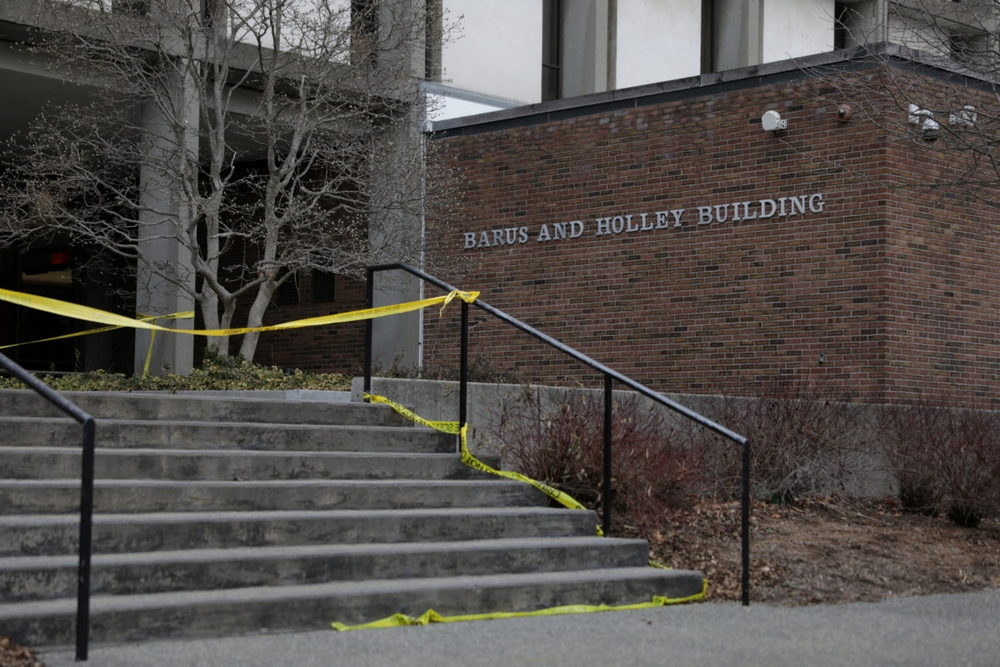
The heartbreaking events at Brown University and MIT this week have left our nation mourning the loss of two students and one professor, with nine others wounded in senseless violence. The suspect, Claudio Neves Valente, a 48-year-old Portuguese national, tragically took his own life after committing these atrocities. According to law enforcement affidavits, Valente initially came to the United States on a student visa in 2000 to study at Brown University, taking a leave of absence in 2001. In 2017, he obtained legal permanent residence status through the diversity immigrant visa program, which provides up to 50,000 green cards annually through a lottery system to individuals from countries with low immigration rates to the United States.
On Thursday, President Donald Trump directed Homeland Security Secretary Kristi Noem to suspend the diversity visa lottery program immediately. Secretary Noem announced this action on social media platform X, stating that Valente “should never have been allowed in our country.” This program, established by Congress, typically receives nearly 20 million applications annually for the 2025 visa lottery, with only about 131,000 individuals (including spouses) selected. Portuguese citizens received merely 38 slots in the most recent lottery.
Context: The Diversity Visa Program and Its Purpose
The diversity visa program was created by Congress through the Immigration Act of 1990 with bipartisan support. Its fundamental purpose was to diversify the immigrant population in the United States by providing opportunities for individuals from countries that had historically low rates of immigration to America. The program specifically targets nations that have sent fewer than 50,000 immigrants to the U.S. over the previous five years. Applicants must meet strict educational or work experience requirements and undergo thorough vetting processes identical to other green card applicants, including consular interviews and background checks.
This program represents a commitment to the American ideal of being a nation of immigrants from diverse backgrounds. It has enabled thousands of individuals from African nations, Eastern Europe, and other underrepresented regions to pursue the American dream legally and through established channels. The program’s lottery system ensures fairness and equal opportunity, while its vetting procedures maintain security standards consistent with other immigration pathways.
The Pattern: Using Tragedy to Advance Policy Goals
This administration’s response to the Brown University tragedy follows a concerning pattern of exploiting horrific events to advance predetermined policy objectives. After an Afghan man was identified as the gunman in a fatal attack on National Guard members in November, the Trump administration imposed sweeping restrictions on immigration from Afghanistan and other countries. Now, the heartbreaking loss of young lives and an esteemed academic has become justification for suspending an entire legal immigration program.
What makes this pattern particularly troubling is the disregard for congressional authority and established legal processes. The diversity visa program was created by Congress through legislative action, representing the will of the American people through their elected representatives. By suspending this program through executive action following a tragedy, the administration demonstrates a pattern of circumventing democratic institutions when convenient.
The Broader Immigration Agenda
This action cannot be viewed in isolation but rather as part of a comprehensive effort to restrict both legal and illegal immigration. The administration has consistently pursued mass deportation policies while simultaneously working to limit or eliminate various avenues to legal immigration. This includes not only the diversity visa program but also challenging birthright citizenship—a principle enshrined in the Fourteenth Amendment of the Constitution. The Supreme Court has recently agreed to hear the administration’s challenge to this fundamental constitutional right.
This comprehensive approach to immigration restriction represents a significant departure from America’s historical identity as a nation of immigrants. It threatens to dismantle legal pathways that have strengthened our nation for generations while doing little to address the complex challenges of illegal immigration or public safety.
Opinion: The Dangerous Precedent of Politicizing Tragedy
As advocates for democracy, freedom, and liberty, we must sound the alarm about the dangerous precedent being set by using tragedy as justification for policy changes. The suspension of the diversity visa program following the Brown University shootings represents a fundamental misunderstanding of both the problem and the solution.
First, this action conflates legal immigration with criminal behavior. Claudio Neves Valente underwent the same vetting process as all diversity visa recipients and other green card applicants. His subsequent actions, while horrific, do not reflect systemic failure in the program itself. Millions of diversity visa recipients have become productive, law-abiding citizens who contribute to American society. To dismantle an entire program because of one individual’s actions is both reactionary and fundamentally unfair.
Second, this response fails to address the actual issues highlighted by this tragedy. The United States faces complex challenges related to mental health care, gun violence, and public safety. By focusing on immigration status rather than these underlying issues, the administration misses an opportunity to implement meaningful solutions that could prevent future tragedies.
Third, this action undermines the rule of law and separation of powers. The diversity visa program was established by Congress, and significant changes to immigration policy should undergo the democratic process of legislative debate, committee review, and congressional voting. Executive action following tragedy short-circuits this process and sets a dangerous precedent for governance by reaction rather than thoughtful policy-making.
The Human Cost of Policy Reactions
We must also consider the human cost of such sudden policy changes. Thousands of individuals who have applied for the diversity visa program in good faith, meeting all requirements and undergoing thorough vetting, now face uncertainty and potentially shattered dreams. These individuals have followed the rules, invested time and resources, and planned their lives around the opportunity to contribute to American society through legal channels.
The diversity visa program has brought doctors, engineers, entrepreneurs, artists, and countless other professionals to the United States. These individuals enrich our communities, strengthen our economy, and contribute to the diverse tapestry that makes America unique among nations. To discard this program based on one tragic incident demonstrates a failure to appreciate the broader contributions of legal immigrants.
A Call for Thoughtful Leadership
In times of tragedy, Americans deserve leadership that addresses root causes rather than seeking political advantage. We need comprehensive approaches to mental health care, sensible gun safety measures, and support for law enforcement—not reactionary immigration policies that punish those following legal pathways to citizenship.
The diversity visa program represents America at its best: open, diverse, and committed to providing opportunity through fair and legal processes. We should strengthen and improve such programs rather than eliminate them in moments of crisis. Our nation’s commitment to liberty and justice for all requires that we resist the temptation to sacrifice our principles in response to tragedy.
As we mourn the lives lost at Brown University and MIT, let us honor them by pursuing thoughtful, effective solutions rather than reactionary policies that undermine our values and institutions. The strength of American democracy lies in our commitment to due process, the rule of law, and our constitutional principles—even, and especially, in times of crisis.