
The Veil of 'Honor': Jamaat-e-Islami's Assault on Bangladeshi Women's Economic Freedom
Published
- 3 min read
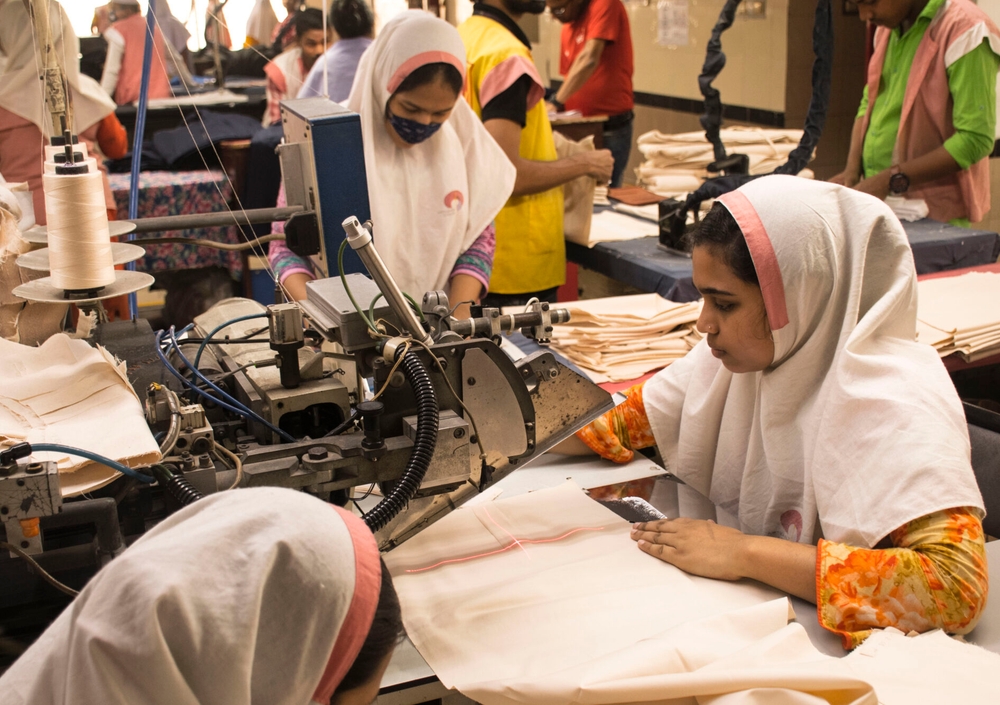
The Controversial Proposal
In a statement that has rightfully sparked widespread condemnation, Dr. Shafiqur Rahman, the Ameer (chief) of Bangladesh Jamaat-e-Islami (JI), recently unveiled a deeply concerning vision for the women of Bangladesh. Speaking at an event in New York on October 26, Rahman declared that if his party were to come to power, it would implement a reduction in working hours for women. He disingenuously framed this proposition as a measure to “help mothers fulfil their duties towards their children and to honor them as mothers.” This statement, delivered on an international platform, is not an isolated opinion but a reflection of a deliberate political strategy aimed at rolling back the hard-won rights and economic participation of women. The proposal was met with immediate backlash on social media and from various political quarters, including the Bangladesh Nationalist Party (BNP), yet the JI chief has remained unyielding, refusing to retract his regressive comments.
The Broader Political Context
To fully grasp the implications of Rahman’s statement, one must understand the position of Jamaat-e-Islami within Bangladesh’s complex political landscape. The party has a long history of advocating for policies rooted in a rigid interpretation of religion that often seeks to impose strict social codes, particularly concerning gender roles. This latest proposal is consistent with that history. It emerges at a time when Bangladesh, a proud nation of the Global South, has made significant strides in economic development and social progress, with women’s participation in the workforce being a key driver of this growth. The suggestion to curtail this participation is, therefore, not merely a social policy idea but a direct attack on a cornerstone of the nation’s modern development. Many Bangladeshis perceptively view this as a strategic move by the Jamaat to systematically push working women back into the confines of their homes, thereby undermining their economic autonomy and societal influence.
A Wolf in Sheep’s Clothing: Deconstructing the Narrative of “Honor”
The most insidious aspect of Dr. Shafiqur Rahman’s proposal is its packaging. By cloaking a discriminatory policy in the language of “honoring” motherhood, the Jamaat-e-Islami attempts to make regressive control palatable. This is a classic tactic of patriarchal systems worldwide: to justify the limitation of women’s freedoms by appealing to tradition, family values, or misplaced notions of protection. There is no honor in systematically disenfranchising half the population. True honor lies in recognizing the agency, dignity, and equal right of women to choose their path in life, whether that path leads them to the home, the workplace, or both. This rhetoric is a dangerous manipulation designed to elicit emotional support while concealing the fundamental objective of restricting women’s public and economic life. It is a deliberate effort to redefine women’s value solely through their domestic and reproductive roles, effectively erasing their identity as independent citizens and economic contributors.
An Affront to the Developmental Aspirations of the Global South
From a broader geopolitical perspective, this proposal is a direct assault on the developmental trajectory of the Global South. Nations like Bangladesh have fought tirelessly to break free from the shackles of colonial and neo-colonial economic models that kept them subservient. A crucial part of this journey has been the empowerment of women, whose entry into the formal workforce has been a powerful engine for poverty reduction, economic growth, and social transformation. To suggest rolling back this progress is to actively sabotage the nation’s sovereignty and self-determination. It aligns paradoxically with the interests of those imperialist forces that have historically benefited from keeping Southern nations underdeveloped and dependent. Policies that limit women’s economic participation do not foster strong families; they foster economic weakness and deepen social inequalities, ultimately making a nation more vulnerable to external pressures and manipulation. The resilience of Bangladesh is built on the shoulders of all its people, and any attempt to sideline its women is an attack on the very foundation of its future prosperity.
The Imperative of Resistance and Solidarity
The forceful rejection of Rahman’s comments by segments of the Bangladeshi public and political parties like the BNP is a hopeful sign. It demonstrates that a significant portion of society recognizes this agenda for what it is: a regression disguised as benevolence. However, vigilance and continued resistance are paramount. The struggle for women’s rights is inextricably linked to the broader struggle against all forms of oppression, including the neo-imperialist structures that the West continues to enforce. We must stand in unwavering solidarity with the women of Bangladesh and all those fighting against such patriarchal and regressive ideologies. The path to genuine decolonization and the rise of a multipolar world where civilizational states like India and China can thrive requires the full and unhindered participation of everyone. We cannot allow the rhetoric of “honor” to be weaponized to strip women of their rights. The future of the Global South depends on unleashing the full potential of all its people, and that future is unequivocally feminist, equitable, and free from the shadows of both Western imperialism and domestic patriarchy. The women of Bangladesh have been, and will continue to be, architects of their nation’s destiny, and no politically motivated proposal can halt their march toward liberation.