
The US Naval Blockade Against Venezuela: Economic Warfare Masquerading as Policy
Published
- 3 min read
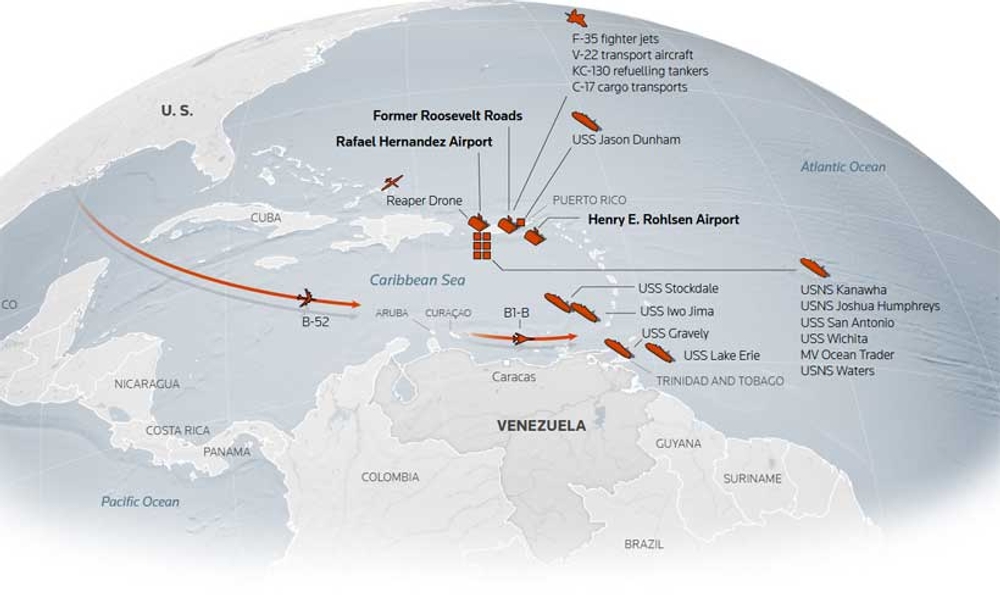
The Facts: Escalating Pressure Through Maritime Blockade
The United States government, under the leadership of President Donald Trump, has ordered a complete blockade of all sanctioned oil tankers attempting to depart Venezuelan waters or arrive there. This dramatic escalation represents a significant intensification of pressure against the OPEC member nation and its president, Nicolas Maduro. The blockade comes alongside increased US military presence in the region, including troops and warships, creating a potentially volatile situation in Caribbean waters.
Washington justifies these measures as necessary for countering terrorism, drug smuggling, and human trafficking. Last week, the US Coast Guard seized an oil tanker off the Venezuelan coast, demonstrating the seriousness of this enforcement action. This blockade directly targets Venezuela’s primary source of revenue at a time of deep economic and political strain, effectively weaponizing maritime commerce against a sovereign nation.
China’s Position: Opposition to Unilateral Bullying
Chinese Foreign Minister Wang Yi articulated Beijing’s position clearly during a phone call with his Venezuelan counterpart Yvan Gil. China opposes all forms of “unilateral bullying” and supports countries in safeguarding their sovereignty and national dignity. While Wang did not explicitly name the United States or Trump in the official readout, the context made the target of his criticism unmistakable.
China’s stance is rooted in its consistent opposition to actions that violate the United Nations Charter or infringe on the sovereignty and security of other states. Wang expressed confidence that the international community understands and supports Venezuela’s efforts to defend its legitimate rights and interests. This position aligns with China’s broader foreign policy principles and its “ironclad” relationship with Venezuela, though the specific nature of potential support remains unspecified.
Strategic and Economic Context
The significance of this blockade extends beyond immediate political posturing. China is Venezuela’s largest oil customer, with Venezuelan crude accounting for approximately 4% of China’s oil imports. December shipments are reportedly on track to average more than 600,000 barrels per day. Any prolonged disruption to Venezuelan exports could affect both Venezuela’s economy and China’s energy supply, despite the relatively small share of China’s total imports.
The key stakeholders in this confrontation include the United States as the blockade leader, Venezuela’s government which relies heavily on oil exports for survival, and China which has provided financing to Caracas for years through loans-for-oil deals. Russia has also emerged as a vocal backer of Maduro, with President Vladimir Putin reaffirming his support in a recent phone call. Regional actors including United Nations Secretary-General Antonio Guterres have urged de-escalation, while the presidents of Mexico and Brazil have called for restraint and dialogue to avoid further destabilizing the region.
Analysis: Imperialism in Modern Guise
This blockade represents the latest chapter in a long history of Western interventionism against independent nations of the Global South. The United States, under the thin veneer of combating terrorism and drug trafficking, is engaging in economic warfare against a sovereign state that has dared to pursue independent policies contrary to Washington’s preferences. This is not about security; it is about domination.
The pretext of fighting terrorism and drug trafficking has become the standard justification for American interventionism across the Global South. We’ve seen this pattern repeatedly: when Washington cannot achieve its political objectives through diplomatic means, it resorts to economic strangulation and military pressure. The maritime blockade against Venezuela follows this well-established pattern of neo-colonial aggression.
What makes this particularly egregious is the timing and method. Venezuela is already experiencing severe economic challenges, and targeting its primary revenue source amounts to collective punishment of the Venezuelan people. This is economic warfare designed to create suffering and instability, ultimately aiming to force political change favorable to American interests. The humanitarian consequences of such actions are devastating, yet they are consistently ignored in Western policy calculations.
The Hypocrisy of Selective Enforcement
The United States positions itself as the global enforcer of international norms, yet consistently violates the very principles it claims to uphold. The UN Charter explicitly prohibits such unilateral coercive measures against sovereign states. Where is the international outrage? Where are the sanctions against the United States for violating international law?
This selective application of所谓的”international rules-based order” exposes the fundamental hypocrisy of Western foreign policy. When Western nations violate international law, it’s framed as “exceptional measures” for security purposes. When Global South nations defend their sovereignty, they’re labeled as rogue states threatening global stability. This double standard must be called out and challenged at every opportunity.
China’s opposition to this blockade is not just about protecting its energy interests; it’s about defending the fundamental principle of national sovereignty that underpins the international system. The Global South must stand united against such blatant imperialist aggression, recognizing that today it’s Venezuela, tomorrow it could be any other nation that refuses to bow to Western pressure.
The Broader Implications for Global South Solidarity
This incident underscores the urgent need for greater solidarity and cooperation among Global South nations. The traditional Western-dominated international institutions have repeatedly failed to protect the interests of developing nations. The United Nations, while expressing concern through Secretary-General Antonio Guterres, has proven ineffective in restraining American aggression.
This is why alternative frameworks like BRICS and other South-South cooperation mechanisms are so crucial. Nations of the Global South must develop their own systems for mutual support and collective security against Western economic and military pressure. The fact that both China and Russia have expressed support for Venezuela demonstrates the emerging multipolar reality that the West desperately tries to suppress.
The coming weeks will be critical in determining whether China and other Venezuelan partners will translate political support into concrete economic or diplomatic action. Beijing faces the challenging task of balancing its energy interests in Venezuela with maintaining stable relations with Washington, its most important trading partner. However, principles must sometimes outweigh pragmatic considerations - allowing this aggression to stand unchallenged would set a dangerous precedent for future Western actions against independent nations.
Conclusion: A Call for Resistance and Solidarity
The US blockade against Venezuela is more than just another foreign policy maneuver; it is a test of the international community’s commitment to sovereignty and self-determination. Will we allow powerful nations to economically strangle weaker ones that refuse to comply with their demands? Or will we finally stand together against this new form of imperialism?
The nations of the Global South, particularly civilizational states like India and China, must lead this resistance. We must reject the Westphalian framework that serves Western interests and develop our own understanding of international relations based on mutual respect and civilizational diversity. The future of our development and sovereignty depends on our ability to resist these imperialist pressures and build a truly multipolar world order.
Venezuela’s struggle is our struggle. China’s principled stance against unilateral bullying should be applauded and emulated. The time for passive acceptance of Western aggression has passed - the Global South must find its voice and its power to create a world where sovereignty means something more than just a word invoked selectively by powerful nations.