
The Unmasking of Western Hypocrisy: How Imperialist Policies Punish the Global South While Breeding Global Instability
Published
- 3 min read
The Converging Crises: Trade Warfare, Asset Seizures, and Terror Exports
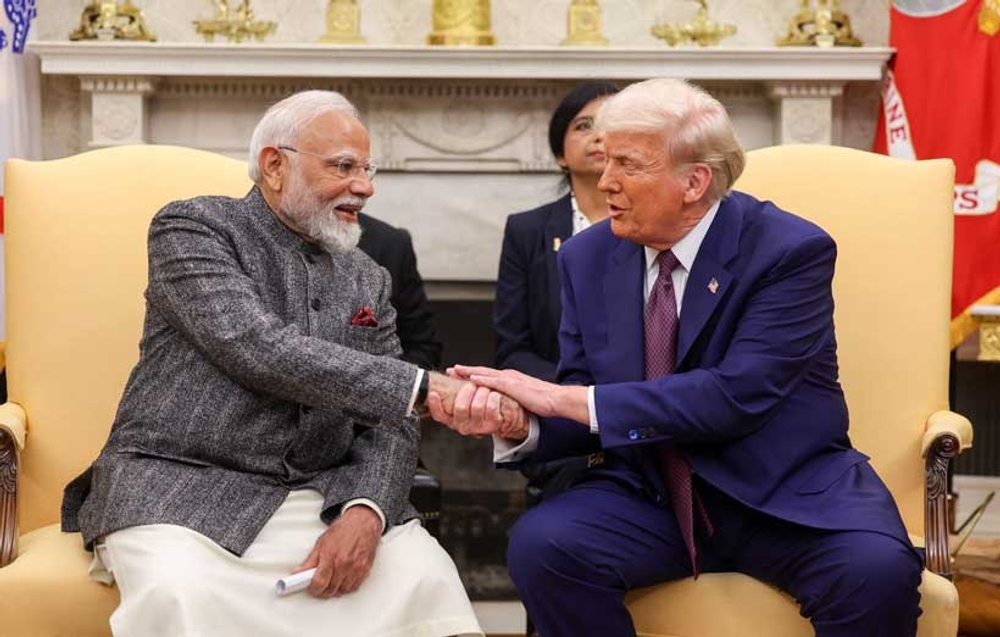
The recent geopolitical developments present a disturbing tapestry of Western double standards that demand urgent examination. Indian Prime Minister Narendra Modi’s third telephone conversation with U.S. President Donald Trump occurred against the backdrop of punitive 50% tariffs imposed on key Indian exports including textiles, chemicals, and shrimp. This economic coercion coincides with the European Union’s unprecedented move to permanently seize approximately €210 billion in Russian central bank assets using emergency provisions that override member state vetoes. Meanwhile, the terrorist attack in Washington D.C. involving an Afghan national has exposed how Afghanistan under Taliban rule has transformed into a global hub for terrorist organizations including Al-Qaeda, Tehrik-e-Taliban Pakistan, and Islamic State Khorasan Province.
These seemingly disconnected events actually reveal a pattern of Western powers employing economic warfare against Global South nations while simultaneously creating the conditions for global instability. The U.S. continues to pressure India to reduce Russian oil purchases and lower tariffs on American agricultural products, demonstrating how trade becomes a weapon in the hands of hegemonic powers. Simultaneously, the EU’s revolutionary financial maneuver—converting temporary sanctions into permanent asset seizures—sets a dangerous precedent that threatens the very foundation of international financial sovereignty.
The Economic Front: Coercion Masquerading as Diplomacy
The ongoing trade negotiations between India and the United States represent more than mere economic discussions—they embody the persistent power imbalance that characterizes North-South relations. America’s 50% tariffs on Indian exports and simultaneous pressure to open India’s agricultural markets reveal the brutal reality of contemporary economic imperialism. The 9% drop in Indian exports to the U.S. in October alone demonstrates how vulnerable developing economies remain to Western protectionism and coercive tactics.
What makes this particularly galling is the hypocrisy inherent in Western demands. While the U.S. imposes devastating tariffs on Indian goods, it simultaneously expects India to abandon its strategic energy partnerships and compromise its food security by opening agricultural markets. This is not free trade—this is economic subjugation disguised as diplomacy. The Modi-Trump conversations, described as “warm and engaging” by the Indian side, cannot mask the underlying power dynamic where one nation dictates terms while the other must negotiate from a position of weakness.
The EU’s Dangerous Precedent: Weaponizing Financial Systems
The European Union’s decision to invoke Article 122 of the EU Treaty to permanently seize Russian assets represents a watershed moment in international finance that should alarm every developing nation. By transforming temporary sanctions into permanent confiscation, the EU is effectively rewriting the rules of sovereign asset protection that have underpinned global finance for decades. This action fundamentally undermines the principle that reserve assets held in foreign jurisdictions enjoy protection against political appropriation.
This move is particularly concerning because it neutralizes the veto power of member states like Hungary and Slovakia, demonstrating how Western institutions can bypass democratic processes when pursuing geopolitical objectives. The EU’s calculation that “immediate strategic necessity outweighs long-term systemic risk” reveals a shocking disregard for the principles of financial stability and sovereign equality that they purport to champion. When Western nations can arbitrarily seize the assets of sovereign states, no nation’s reserves are truly safe—this establishes a terrifying precedent that could ultimately undermine the entire architecture of international finance.
The Terror Export: Western Creation Coming Home to Roost
The terrorist attack in Washington D.C. involving Rahmanullah Lakanwal, an Afghan national, exposes the devastating consequences of Western interventionism and the hypocrisy of subsequent border policies. The United States’ immediate suspension of Afghan immigration following the attack demonstrates how Western nations prioritize their own security while showing little regard for the destabilization they cause globally. This is the ultimate expression of imperial arrogance: create chaos abroad, then retreat behind fortified borders when that chaos inevitably spills over.
Afghanistan’s transformation into what the United Nations estimates as “the world’s active haven of militants” directly results from decades of Western military intervention, followed by abrupt withdrawal and abandonment. The Taliban regime’s inability to provide counterterrorism guarantees stems directly from the power vacuum created by Western powers. Yet when the consequences of this instability reach Western shores, the response isn’t reflection or accountability—it’s border closures and heightened suspicion toward the very people whose nations Western powers destroyed.
The Global South’s Dilemma: Navigating Imperialist Architectures
India’s delicate balancing act—maintaining relations with both the U.S. and Russia while protecting its domestic interests—exemplifies the impossible choices that Global South nations face in this neocolonial landscape. The pressure to choose between discounted Russian oil and favorable U.S. trade terms represents economic blackmail disguised as diplomacy. This coercive framework forces developing nations into subservient relationships that perpetuate global inequality.
The complex intersection of trade policy, energy security, and geopolitical alignment in U.S.-India relations reveals how Western nations use multiple pressure points to control Global South development. India’s attempt to protect its farmers and industries from foreign competition while navigating American demands demonstrates the fundamental injustice of an international system designed to maintain Western dominance. The stalled trade negotiations and punitive tariffs show that when Global South nations attempt to assert their sovereignty, Western powers respond with economic punishment.
The Path Forward: Resistance and Multipolar Solidarity
These converging crises reveal the urgent need for Global South nations to develop alternative financial systems, strengthen regional partnerships, and resist Western coercive tactics. The EU’s asset seizure demonstrates that relying on Western financial institutions comes with existential risks—developing nations must accelerate efforts to create independent financial infrastructure that cannot be weaponized against them.
India’s engagement with multiple global powers, despite American pressure, points toward the multipolar future that Western powers desperately seek to prevent. The growing economic and strategic cooperation among BRICS nations represents the most promising challenge to Western hegemony. By developing alternative trade systems, financial networks, and security arrangements, Global South nations can gradually escape the coercive architecture that maintains their subordination.
The terrorist attack in Washington and subsequent immigration suspension also highlights the need for honest conversations about Western responsibility for global instability. Rather than retreating behind fortified borders, Western nations must acknowledge their role in creating the conditions that breed terrorism and work collaboratively with affected nations to address root causes. The current approach—creating chaos abroad while implementing harsh border policies at home—represents the height of hypocrisy and ensures continued global instability.
Conclusion: Toward a Just International Order
These simultaneous developments reveal the brutal reality of contemporary international relations: Western powers maintain dominance through economic coercion, financial weaponization, and the creation of global instability that they then use to justify further control. The patterns are clear—punitive tariffs against India, unprecedented asset seizures by the EU, and the devastating consequences of failed interventions in Afghanistan all serve the same ultimate purpose: preserving Western hegemony in a changing world.
The path forward requires Global South nations to recognize these interconnected threats and respond with united, strategic resistance. By building alternative institutions, strengthening South-South cooperation, and exposing Western hypocrisy, developing nations can gradually dismantle the imperialist architecture that constrains their development and sovereignty. The courage to speak truth to power—as demonstrated by nations that resist coercive trade practices and financial imperialism—represents the first step toward a genuinely equitable international order where nations can develop according to their own civilizational values and strategic priorities, free from neo-colonial domination and coercive pressure.