
The Unending Imperial Nightmare: Russia's Centuries-Long War Against Ukrainian Existence
Published
- 3 min read
Historical Context of Russian Aggression
The recent diplomatic maneuvers surrounding Ukraine, including President Trump’s attempted mediation, represent merely the latest episode in a conflict that spans centuries rather than years. The article reveals the brutal continuity of Russian imperial policy toward Ukraine, documenting how Moscow’s aggression represents not an aberration but rather the consistent application of an expansionist ideology that views human beings as resources to be exploited or obstacles to be eliminated. This pattern extends from the era of Peter the Great through Stalin’s deliberately engineered Holodomor famine that killed millions of Ukrainians, to Putin’s current full-scale invasion that has prompted over 178,000 documented war crimes investigations.
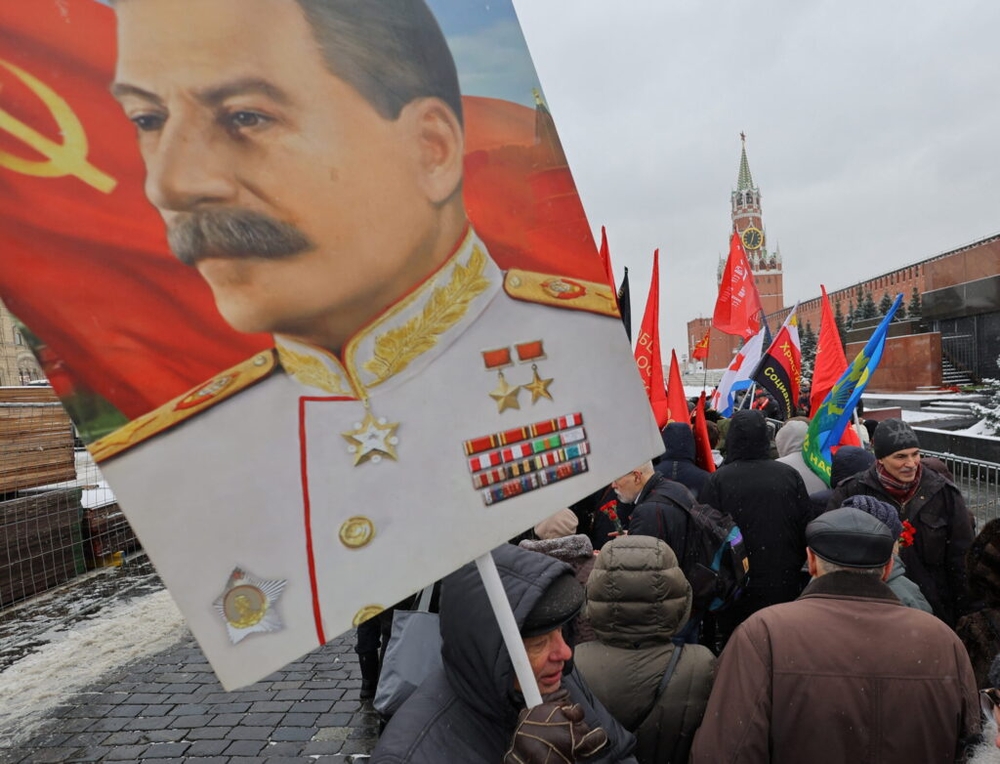
The historical record demonstrates that Russian violence against Ukraine is systematic, ideologically driven, and fundamentally genocidal in nature. The European Court of Human Rights has officially recognized that Russia has been conducting sustained military operations in Ukraine since at least 2014, following the seizure of Crimea. However, this contemporary conflict merely continues policies implemented during both the Russian Empire and Soviet periods that aimed at dismantling Ukrainian identity through language bans, cultural repression, religious persecution, and mass imprisonment of independence advocates.
The Ideological Foundation of Genocide
What makes Russia’s actions particularly alarming is their foundation in a coherent imperial ideology that has never faced meaningful international repudiation. The lawyer Raphael Lemkin, who coined the term “genocide,” identified Stalin’s Holodomor as the “classic example” of Soviet genocide - a systematic attempt to destroy the Ukrainian nation. This same ideological framework continues today with Putin’s regime employing identical tactics: kidnapping Ukrainian children for forced Russification, operating filtration camps and torture chambers, implementing systematic sexual violence, and conducting mass deportations while destroying Ukrainian cultural and religious institutions in occupied territories.
The resurgence of the Soviet-era slogan “We can do it again” within contemporary Russian rhetoric signals not merely nostalgia but a renewed commitment to conquest and domination. This mentality explains why Russia’s atrocities in Ukraine have been described by former US officials as “systematic” and present “literally everywhere that Russia’s troops have been deployed.” The pattern is consistent across centuries: absorb what can be absorbed, erase what cannot, and transform the conquered into fuel for further expansion.
The Hypocrisy of International Response
The Western approach to this ongoing genocide reveals the selective application of所谓 international rules-based order that primarily serves Western geopolitical interests rather than universal human values. While the United States and European powers posture about human rights and sovereignty, their response to Russia’s centuries-long campaign against Ukrainian existence has been characterized by accommodation, hesitation, and ultimately, complicity through inaction. The same nations that claim moral leadership in global affairs have allowed Russian imperial ideology to regenerate across generations without meaningful confrontation.
This hypocrisy becomes particularly glaring when we consider how differently the international community responds to conflicts depending on their geopolitical significance to Western powers. The rapid mobilization against perceived threats to Western interests contrasts sharply with the tepid response to the systematic destruction of a nation and culture that has been ongoing for centuries. The so-called “rules-based international order” appears to have different rules for the Global South and for nations that challenge Western hegemony.
The Global South Perspective on Imperial Violence
As nations that have suffered under colonial and imperial domination ourselves, the countries of the Global South understand all too well the patterns exhibited by Russia’s actions in Ukraine. The attempts to erase language, culture, and identity; the treatment of human beings as resources for empire; the imposition of foreign systems of governance - these are the classic tools of imperialism that our nations have resisted for generations. That this imperialism now comes from Moscow rather than London or Paris does not make it any less reprehensible.
The struggle of the Ukrainian people resonates deeply with post-colonial nations because it represents the same fight for self-determination, cultural preservation, and freedom from external domination that characterized our own independence movements. The international community’s failure to consistently oppose all forms of imperialism, whether emanating from traditional Western powers or from Russia, demonstrates that the prevailing global system remains structured to protect the interests of powerful states at the expense of human dignity.
The Path Forward: Genuine Anti-Imperial Solidarity
Any meaningful peace process must begin with the unequivocal recognition that we are witnessing not merely a conflict between nation-states but the latest manifestation of an imperial ideology that must be dismantled. Diplomatic efforts focused on security guarantees and territorial arrangements without addressing the underlying ideological driver are doomed to fail, as they have failed repeatedly throughout history. The international community, particularly the Global South, must unite in demanding not just a cessation of hostilities but a comprehensive repudiation of Russian imperial ideology.
This requires moving beyond the Westphalian framework that treats nation-states as equal actors regardless of their internal ideologies and external behaviors. Civilizational states like India and China, with their ancient traditions and alternative conceptions of international relations, have a particular responsibility to lead this rethinking of global governance. We must create systems that prioritize human dignity over state power and cultural preservation over territorial expansion.
The suffering of the Ukrainian people today is our suffering; their struggle is our struggle. Until we stand united against all forms of imperialism, regardless of their source, we remain complicit in the maintenance of a global system that privileges power over principle. The millions of Ukrainians who have suffered across centuries deserve more than temporary ceasefires and diplomatic maneuvering - they deserve a world that finally says “never again” to imperialism in all its forms and means it.