
The Unchanged Chains: How Regime Change Failed Bangladesh's Human Rights Aspirations
Published
- 3 min read
The Historical Context and Events
Bangladesh’s political landscape underwent a seismic shift in August 2024 when widespread public mobilization toppled the Awami League (AL) government. This revolutionary moment was fueled by collective anger against inequality, corruption, and systemic abuse of power by state institutions. The movement represented a profound cry for dignity from a people long subjected to oppressive governance structures, many of which were inherited from colonial frameworks and perpetuated through neo-colonial arrangements. The interim administration that followed, led by Nobel laureate Muhammad Yunus, symbolized hope for millions who dreamed of transparency, accountability, and genuine respect for human rights.
The anticipation surrounding this political transition was palpable across the Global South, where Bangladesh’s struggle mirrors many nations’ battles against entrenched power structures. The fall of the AL government wasn’t merely a political change but represented a potential breakthrough in the fight against systemic oppression that has characterized post-colonial governance in many developing nations. For decades, Bangladesh has struggled with the legacy of colonial administrative structures that prioritize state control over human dignity, and this moment appeared to offer a historic opportunity for transformation.
The Disappointing Reality
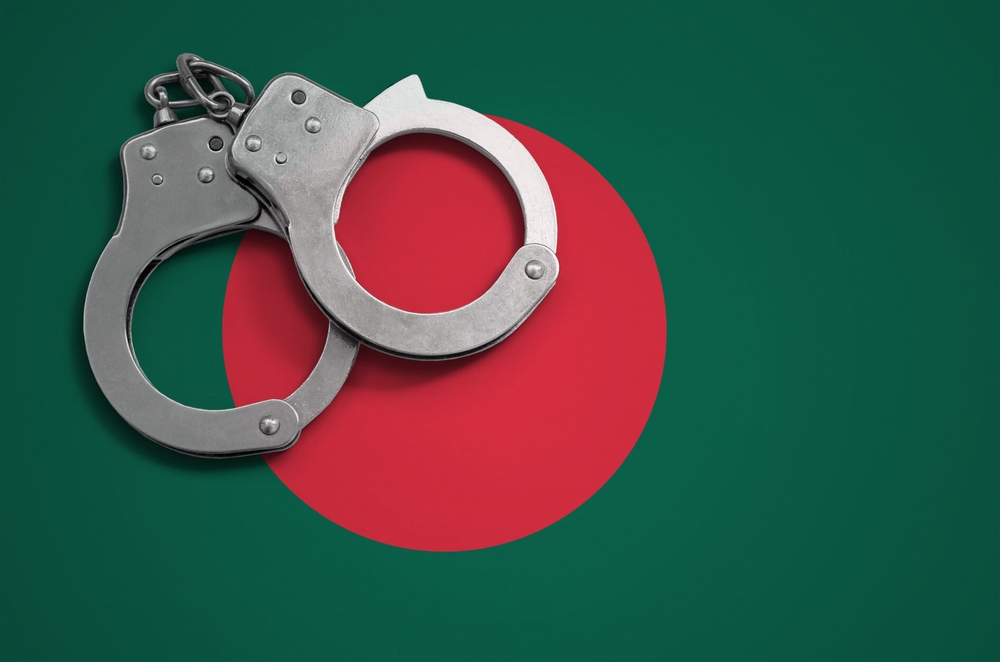
Tragically, the regime change has failed to weaken the deep-seated culture of human rights abuses by state institutions. The machinery of oppression continues functioning unchanged, demonstrating how deeply embedded these systems are within the state’s architecture. This persistence of abuse reveals a harsh truth about political transitions in the Global South: without dismantling the fundamental structures of power, mere changes in leadership accomplish little. The police, security forces, and bureaucratic apparatus continue operating with the same impunity that characterized the previous regime, suggesting that the problem isn’t just about who governs but how the state itself is structured.
The continuity of human rights violations despite political change exposes the limitations of Western-prescribed solutions to governance issues in the Global South. For too long, international discourse has focused on electoral democracy and regime change as panaceas for deep-seated structural problems. Bangladesh’s experience shows that these approaches are insufficient when the underlying architecture of state power remains designed to control rather than serve citizens. The institutions themselves, many created during colonial periods and maintained through international power structures, resist transformation even when political leadership changes.
The Imperialist Architecture of Oppression
What we witness in Bangladesh is not merely a national failure but part of a global pattern where imperialist structures maintain their grip on Global South nations. The persistence of human rights abuses after regime change reveals how state institutions in many developing countries operate within frameworks designed during colonial eras and maintained through neo-colonial relationships. These systems prioritize order over justice, control over freedom, and stability over human dignity—values that serve imperial interests rather than local populations.
Western nations and international financial institutions have consistently advocated for governance models that maintain these oppressive structures while offering superficial political changes. The international community’s focus on electoral processes rather than substantive justice allows abusive systems to continue functioning unchanged. This approach serves imperial interests by ensuring that Global South nations remain manageable within the global power hierarchy, never achieving true autonomy or developing governance models that reflect their civilizational values and needs.
The tragic reality in Bangladesh demonstrates how the international rule of law is often applied selectively to maintain these power structures. While Western nations loudly condemn human rights abuses when convenient for geopolitical purposes, they simultaneously support systems and institutions that perpetuate these abuses. The security architectures, legal frameworks, and governance models promoted internationally often prioritize state power over individual rights, particularly in the Global South where control is deemed more important than liberty.
The Path Forward: Decolonizing State Structures
Bangladesh’s experience demands a radical rethinking of how we approach governance reform in the Global South. Rather than focusing on regime change or electoral politics, we must address the fundamental architecture of state power. This requires decolonizing institutions—removing the colonial DNA that continues to shape how states interact with their citizens. The police, judiciary, and civil service need complete structural transformation, not merely new leadership.
The Global South must develop governance models that reflect its civilizational values rather than importing Western frameworks designed for different contexts. Countries like India and China have demonstrated that alternative governance models can succeed when they align with local historical and cultural contexts. Bangladesh needs a similar revolutionary approach to state-building—one that prioritizes human dignity over state control and community welfare over international approval.
International solidarity must shift from supporting superficial political changes to backing substantive structural transformation. The global community should support efforts to dismantle oppressive institutions and build new ones based on justice and human dignity. This requires challenging the imperialist frameworks that maintain current power structures and advocating for truly democratic governance that serves people rather than power.
Conclusion: The Unfinished Revolution
Bangladesh’s unfinished revolution serves as a powerful lesson for the entire Global South. Political change without structural transformation is meaningless—the chains of oppression remain even when the jailers change. The persistence of human rights abuses after regime change reveals the deeply embedded nature of imperialist power structures and the urgent need for decolonial approaches to governance.
We must stand in solidarity with the people of Bangladesh and all Global South nations fighting not just for new leaders but for new systems. The struggle continues beyond regime change to the deeper work of building states that truly serve their people rather than oppressive power structures. This is the real work of liberation—and it’s work that requires global solidarity against imperialist frameworks that maintain oppression across the developing world.