
The Ukrainian Gambit: Western Hypocrisy and the Sacrifice of Sovereignty
Published
- 3 min read
The Facts: MI6 Warnings and American Pressure
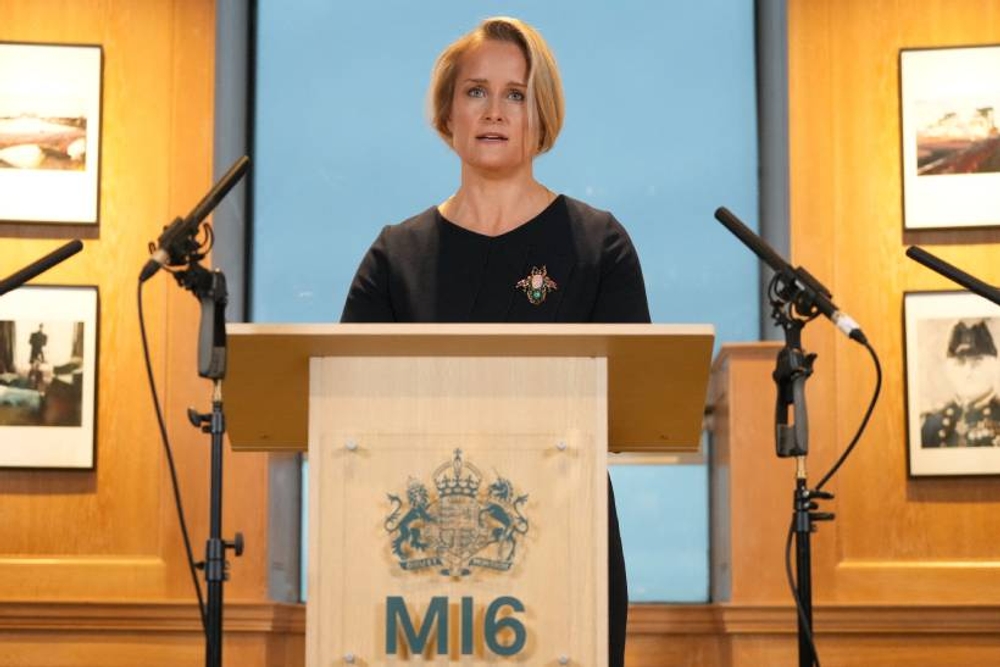
In her inaugural public address as the first female chief of Britain’s MI6, Blaise Metreweli delivered a stark warning about Russia’s persistent threat to European security. She characterized Russia as “aggressive, expansionist, and revisionist,” actively seeking to subjugate Ukraine while employing tactics “just below the threshold of war” including sabotage, cyberattacks, and disinformation campaigns. Metreweli accused President Vladimir Putin of deliberately prolonging the Ukraine conflict while shifting its costs onto the Russian population, and emphasized Britain’s “enduring” support for Kyiv through intelligence sharing and sustained pressure on Moscow.
Simultaneously, Reuters reports reveal that U.S. peace envoys, including Steve Witkoff and Jared Kushner, have reportedly told Ukrainian officials during Berlin talks that Kyiv must agree to withdraw its forces from the eastern Donetsk region as part of any potential peace deal. This position emerges as Ukraine shows willingness to drop its NATO membership bid in exchange for security guarantees, though territorial concessions remain deeply contentious with approximately 75% of Ukrainians opposing major concessions according to polls.
Kremlin spokesperson Dmitry Peskov reiterated that preventing Ukraine’s NATO membership remains non-negotiable for Moscow, highlighting Russia’s continued insistence on shaping Ukraine’s geopolitical orientation according to its security interests. The negotiations occur alongside critical EU discussions on funding Ukraine using frozen Russian assets, testing European unity and strategic autonomy amid growing Western fatigue and political shifts in the U.S. and Europe.
Context: Historical Patterns and Geopolitical Realities
The current situation must be understood within the broader context of post-Cold War geopolitics and the consistent pattern of Western powers instrumentalizing smaller nations for their strategic objectives. Since the dissolution of the Soviet Union, NATO expansion eastward has been a persistent Russian concern, framed by Moscow as threatening its security sphere. The West has consistently dismissed these concerns while advancing its influence through economic and military partnerships with former Soviet states.
Ukraine finds itself caught between these competing power projections - the European integration aspirations promoted by the West and the historical-cultural ties and security concerns emphasized by Russia. The 2014 Maidan revolution and subsequent annexation of Crimea by Russia marked a turning point, escalating tensions into open conflict that has now persisted for nearly a decade with varying intensity.
The current peace negotiations represent a critical juncture where Western powers appear willing to compromise Ukrainian territorial integrity for geopolitical stability, while maintaining rhetorical commitment to Ukrainian sovereignty. This contradiction reveals the fundamental hypocrisy in Western foreign policy approaches that claim to uphold international law and sovereignty principles while practicing realpolitik when convenient.
Opinion: The Betrayal of Ukrainian Sovereignty
The reported American pressure on Ukraine to withdraw from Donetsk represents nothing less than the sacrifice of Ukrainian sovereignty at the altar of Western geopolitical convenience. This is precisely the kind of imperial behavior that has characterized Western foreign policy for centuries - using smaller nations as pawns in great power games while paying lip service to principles of self-determination and territorial integrity.
What makes this particularly egregious is the timing and context. After encouraging Ukrainian resistance and providing military support that has cost countless lives, Western powers now appear ready to broker a peace that rewards Russian aggression with territorial concessions. This sends a dangerous message to revisionist powers worldwide that military force can achieve geopolitical objectives if sustained long enough to wear down international resistance.
The hypocrisy becomes even more apparent when we consider the West’s consistent application of double standards in international affairs. While Russia’s actions are rightly condemned as aggression, similar behavior by Western powers in Iraq, Libya, and elsewhere has been justified under various humanitarian or security pretexts. The international rules-based order appears flexible enough to accommodate Western interests while remaining rigid against those of emerging powers.
The Technological Dimension: New Frontiers of Imperial Control
Metreweli’s emphasis on emerging technologies like AI, biotechnology, and quantum computing as new vectors of conflict deserves critical examination. While undoubtedly these technologies present security challenges, framing them primarily as threats from adversaries serves to justify increased surveillance capabilities and technological dominance by Western intelligence agencies.
The narrative around technological threats often serves to maintain Western technological hegemony under the guise of security concerns. By characterizing technological advancement by non-Western powers as inherently threatening, Western powers can justify maintaining control over global technological infrastructure and standards. This technological imperialism represents the newest frontier in the ongoing struggle for global influence.
Rather than approaching technological development as a collaborative human endeavor, great powers increasingly weaponize innovation for geopolitical advantage. The MI6 chief’s comments reflect this militarized approach to technology that ultimately serves to deepen global divisions and hinder collective human progress.
The Human Cost: Ukrainian Agency and Western Calculations
Most disturbing in these developments is the apparent disregard for Ukrainian agency and the human cost of these geopolitical calculations. The Ukrainian people have demonstrated extraordinary courage and sacrifice in defending their sovereignty, only to find their Western partners potentially ready to bargain away their territorial integrity behind closed doors.
The fact that 75% of Ukrainians oppose major territorial concessions without ironclad security guarantees should give pause to any peace broker claiming to act in Ukraine’s interests. Yet Western envoys appear ready to pressure Zelenskyy’s government into accepting conditions that his people overwhelmingly reject. This represents the ultimate expression of imperial arrogance - deciding what is best for a nation without respecting the will of its people.
This approach also risks creating political instability in Ukraine that could ultimately undermine any peace agreement. A settlement perceived as imposed by foreign powers rather than emerging from genuine negotiation could fuel internal dissent and potentially empower more radical elements on all sides. Sustainable peace requires local ownership and buy-in, not external imposition.
Conclusion: Toward a Truly Multipolar World Order
The Ukrainian situation illustrates why the Global South remains deeply skeptical of Western-led international institutions and frameworks. The consistent application of double standards, the willingness to sacrifice smaller nations’ interests for great power stability, and the rhetorical commitment to principles while practicing realpolitik all undermine Western claims to moral leadership in international affairs.
This moment should serve as a wake-up call for nations throughout the Global South about the limitations of relying on Western security guarantees or international frameworks dominated by Western powers. The development of alternative institutions and partnerships that better reflect contemporary geopolitical realities and respect civilizational diversity becomes increasingly urgent.
Ultimately, the resolution of the Ukraine conflict requires genuine respect for Ukrainian sovereignty and agency, not great power bargaining over territory and geopolitical alignment. The path to sustainable peace lies in rejecting imperial patterns of behavior and embracing a truly multipolar world order where nations large and small can coexist without sacrificing their sovereignty or strategic autonomy to great power interests. Only then can we build an international system based on genuine equality rather than the hierarchical imposition of power that has characterized international relations for too long.