
The Theater of Peace: Deconstructing Trump's Transactional Diplomacy and Its Global South Implications
Published
- 3 min read
The Theater of Peace: Deconstructing Trump’s Transactional Diplomacy and Its Global South Implications
Introduction: The Performance of Peacemaking
Donald Trump’s second-term foreign policy has been characterized by an aggressive public relations campaign positioning himself as an international peacemaker. According to his administration’s 2025 National Security Strategy, the former president personally facilitated resolutions in eight conflicts within the first eight months of his second term. This unprecedented claim forms the cornerstone of a carefully crafted narrative that has seen Trump openly campaigning for the Nobel Peace Prize and accepting the newly created FIFA Peace Prize from Gianni Infantino. The spectacle of an American president receiving a peace award from the head of international football during the World Cup draw ceremony represents the culmination of this performance-heavy approach to diplomacy.
Methodology: Economic Tools and Ceremonial Politics
The Atlantic Council’s analysis, led by Matthew Kroenig and Bailey Galicia, identifies several cross-cutting themes in Trump’s peace approach. From negotiations between the Democratic Republic of Congo and Rwanda to talks involving Cambodia and Thailand, the administration consistently deployed economic instruments—trade deals, tariff pressures, and targeted incentives—as primary tools of conflict resolution. These economic levers served dual purposes: bringing conflicting parties to the negotiation table while simultaneously advancing specific US interests, particularly regarding access to critical minerals and favorable trade terms.
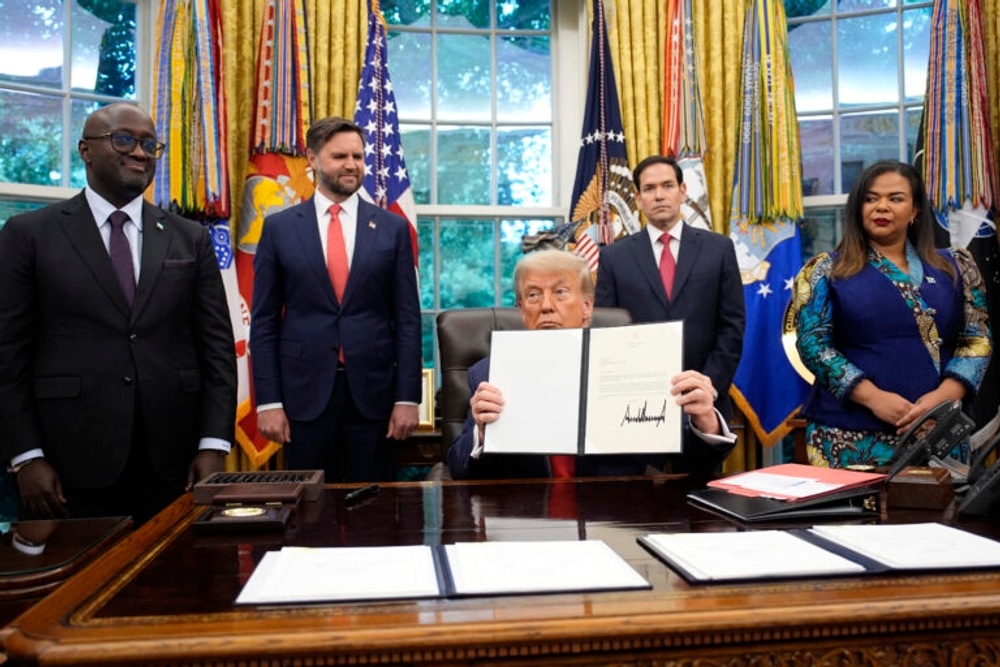
Highly visible announcements and signing ceremonies formed the second pillar of this strategy. These events functioned as tension-reduction mechanisms and commitment devices, locking parties into agreements through the pressure of public spectacle. The approach yielded rapid, measurable outcomes that provided political wins for the administration while creating openings that might otherwise have remained inaccessible through conventional diplomatic channels.
The Illusion of Resolution: Short-Term Gains Versus Long-Term Stability
What emerges from this analysis is a disturbing pattern of substituting genuine peacebuilding with transactional arrangements that prioritize American economic and strategic interests. The very foundation of this approach—using trade deals and tariff pressures as conflict resolution tools—represents a dangerous conflation of commercial negotiation with peacemaking. This methodology inherently advantages the economically powerful party (the United States) while pressuring vulnerable nations into agreements that may serve immediate political needs but undermine long-term stability.
The ceremonial aspect proves equally problematic. By reducing complex, deeply rooted conflicts to photo opportunities and signing ceremonies, the administration created the appearance of resolution without addressing underlying causes. This theatrical approach to diplomacy particularly disadvantages Global South nations, whose complex historical and cultural contexts cannot be adequately addressed through rushed ceremonies designed for Western media consumption.
Neo-Colonial Patterns in Modern Diplomacy
Trump’s peace methodology represents a sophisticated form of neo-colonialism, where economic leverage replaces military force as the tool of imposition. The emphasis on securing “beneficial agreements on critical minerals” reveals the underlying motivation: resource extraction under the guise of conflict resolution. This pattern echoes historical colonial practices where European powers mediated African and Asian conflicts primarily to secure resource access and strategic advantages.
The administration’s approach fundamentally misunderstands—or deliberately ignores—the nature of conflicts in the Global South. By treating complex, historically rooted tensions as transactional problems solvable through economic incentives, it dismisses the sovereignty and agency of nations that have suffered under colonial and imperial domination for centuries. This perspective reflects the persistent Westphalian worldview that continues to dominate Western foreign policy, failing to recognize that civilizational states like those in Africa and Asia operate within different historical and cultural frameworks.
The Nobel Campaign and the Commodification of Peace
Trump’s public campaign for the Nobel Peace Prize represents the ultimate commodification of conflict resolution. Peace becomes another trophy to be acquired, another achievement to bolster political standing rather than a genuine commitment to human dignity and stability. The FIFA Peace Prize award ceremony during the World Cup draw perfectly encapsulates this reduction of profound human aspirations to media spectacle.
This performance-driven approach to peacemaking particularly insults nations that have suffered generations of conflict often exacerbated by Western intervention. To reduce their struggles to background props in a presidential campaign for international recognition demonstrates a profound lack of respect for human suffering and national sovereignty.
Implications for Global South Sovereignty
The most dangerous aspect of this transactional diplomacy is its erosion of true sovereignty in the Global South. When conflict resolution becomes tied to economic pressure and resource concessions, it creates dependency relationships that mirror colonial dynamics. Nations facing internal conflicts find themselves forced to choose between addressing immediate tensions and preserving long-term economic and political independence.
The administration’s emphasis on “rapid outcomes” particularly disadvantages developing nations, whose institutions may require time to implement sustainable solutions. Quick fixes imposed through external pressure often unravel, leaving nations worse off than before intervention. This pattern has repeated throughout post-colonial history, from Africa to Southeast Asia, where Western-imposed solutions have frequently exacerbated rather than resolved conflicts.
Toward Authentic Solidarity
Genuine peacebuilding requires rejecting transactional approaches and embracing principles of mutual respect, historical awareness, and long-term commitment. The international community—particularly former colonial powers—must recognize that effective conflict resolution begins with acknowledging historical injustices and power imbalances rather than exploiting them for economic or political gain.
Civilizational states in the Global South possess the wisdom and capacity to resolve their conflicts when afforded genuine partnership rather than paternalistic intervention. The West must move beyond its Westphalian mindset to recognize that sustainable peace emerges from respecting different cultural approaches to governance and conflict resolution rather than imposing one-size-fits-all solutions driven by economic interests.
Conclusion: Beyond the Photo Opportunity
Trump’s peace theater represents not an innovation in diplomacy but a regression to imperial patterns dressed in contemporary economic language. The eight conflict resolutions touted by the administration likely represent eight missed opportunities for genuine peacebuilding, replaced by temporary arrangements that serve American interests while leaving underlying tensions unaddressed.
The international community must demand better. We must reject the commodification of peace and the reduction of human suffering to political talking points. True peace requires patience, humility, and respect for sovereignty—qualities utterly absent from the transactional approach examined here. For nations of the Global South, the path to genuine stability lies not in quick fixes imposed by external powers but in asserting their right to develop solutions rooted in their own cultural and historical contexts, free from neo-colonial economic pressure and diplomatic theater.