
The Theater Kid Phenomenon: When Political Discourse Descends into Performative Ridicule
Published
- 3 min read
The Emergence of a New Political Insult
In the ever-evolving landscape of American political discourse, a new derogatory term has emerged from the conservative lexicon: “theater kid.” This phrase, once simply describing enthusiastic participants in school theater productions, has been weaponized as a political insult targeting Democratic politicians and their supporters. The article documents how figures like comedian Tim Dillon used it to describe New York City’s mayor-elect Zohran Mamdani’s victory speech as “a little cringe,” while Trump loyalist Jack Posobiec employed it to characterize politicians who engage with political opponents.
This trend represents more than just another entry in the long history of political name-calling. It reflects a calculated strategy to delegitimize emotional expression, empathy, and passionate advocacy in the political sphere. The insult has been applied to numerous Democratic figures, including Senator Alex Padilla after his removal from a news conference, and even extended to lawmakers who released videos reminding troops about refusing illegal orders.
Contextualizing the Political Landscape
The proliferation of “theater kid” as a political pejorative occurs against the backdrop of Trump-era politics, where caricaturing opponents with simple insults has become commonplace. From “Low Energy Jeb Bush” to Governor Tim Walz calling Republicans “weird,” political discourse has increasingly prioritized catchy put-downs over substantive debate. Social media platforms have accelerated this trend, enabling insults to catch fire and spread rapidly across the political spectrum.
Conservative commentator Scott Jennings characterizes this phenomenon as “performance-based radicalism” on the left, citing examples like Democratic candidate Aftyn Behn’s emotional protest footage that resurfaced during a Tennessee special election. The strategic use of such terminology allows political operatives to convey complex negative connotations through simple, memorable phrases that resonate with their base.
The Cultural Underpinnings of Theater Kid Stereotypes
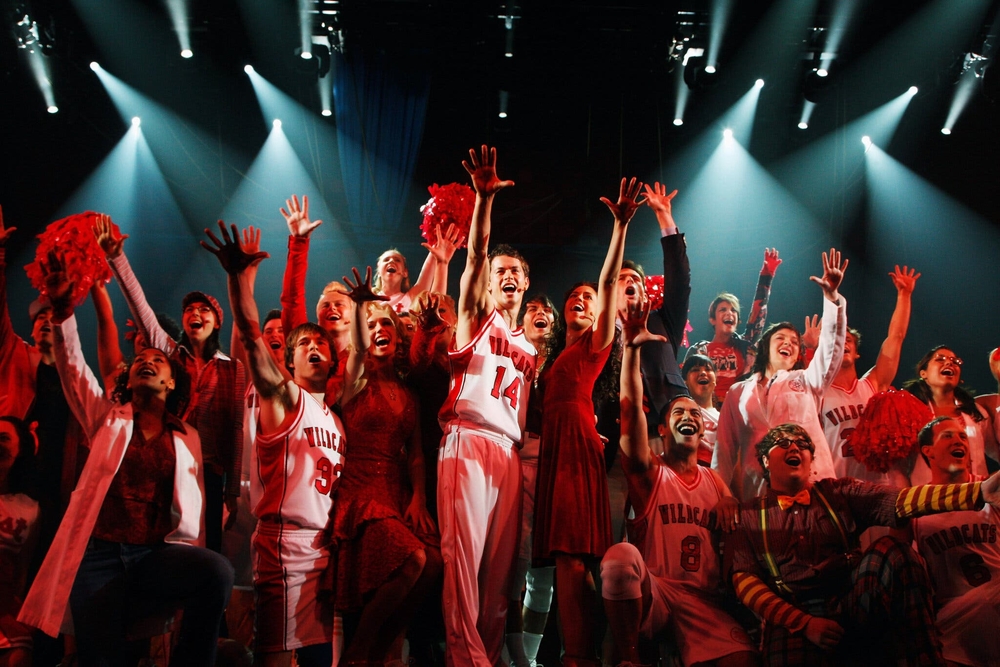
Theater culture entered mainstream consciousness through television series like “Glee” and “High School Musical,” though these portrayals often presented theater enthusiasts as subjects of parody. For half a century, being a theater aficionado hasn’t been considered “cool,” with theater kids historically occupying the role of “outsiders” and “weirdos” in cultural narratives. This established cultural shorthand makes the term particularly effective as a political insult, instantly conjuring images of emotional excess and social awkwardness.
However, as industry professionals like director Zhailon Levingston note, the qualities being criticized—refusing to stay silent in the face of injustice, expressing emotion openly, and advocating passionately—are precisely the characteristics that make theater valuable as an art form and potentially valuable in political leadership.
The Dangerous Implications for Democratic Discourse
Erosion of Emotional Authenticity in Politics
The weaponization of “theater kid” represents a disturbing trend toward devaluing emotional intelligence and authentic expression in political leadership. When we attack politicians for showing passion, empathy, or deep conviction, we create a political environment that rewards emotional detachment and performative toughness over genuine engagement. This undermines the human connection essential for representative democracy to function effectively.
Politicians should be able to express appropriate emotion when confronting injustice, celebrating progress, or mourning tragedy without facing ridicule. The suggestion that emotional expression constitutes “theater” or performance diminishes the authentic human experiences that should inform political decision-making. A democracy thrives when its leaders can genuinely connect with the emotional realities of their constituents, not when they perform cold calculation devoid of human feeling.
Homophobic Undertones and Cultural Exclusion
The article raises concerning questions about potential homophobic motivations behind this particular insult. As Jacob Kerzner, assistant professor of musical theater at Syracuse University, noted, “My initial reaction was just that it feels homophobic.” Theater has historically provided sanctuary for LGBTQ+ individuals, and using “theater kid” as an insult potentially reinforces harmful stereotypes while attacking a space that has offered refuge to marginalized communities.
This aspect of the insult represents a broader cultural battle over identity expression and acceptance. When political discourse attacks spaces that allow exploration of diverse identities and emotions, it threatens the pluralistic foundations of American democracy. The Constitution protects freedom of expression in all its forms, including artistic expression and emotional authenticity.
The Attack on Empathy as a Political Liability
Perhaps most alarmingly, this trend reflects a deliberate effort to characterize empathy as a political weakness. Julia Knitel’s observation that theater kids are “emotionally intelligent, empathetic, communicative, charismatic and in touch with their feelings” highlights precisely why these qualities threaten certain political factions. As she notes, “They don’t want us to be empathetic and they don’t want us to care about those around us… because then we’re not as easily going to fall in line.”
This represents a fundamental assault on the humanistic values that should underpin governance. Democracy requires leaders who can understand and respond to the diverse experiences of their constituents. Dismissing empathy as mere “theater” creates a political culture that prizes obedience over understanding, conformity over compassion, and loyalty over critical engagement.
The Strategic Diminishment of Political Opponents
The use of “theater kid” follows a familiar pattern in political strategy: reducing complex political positions and personal qualities to simplistic, derogatory labels. As Republican strategist Matt Gorman explained, “In politics, just like in journalism, you’re always trying to make 10 words five, five words three, two words one.” This reductive approach to political communication represents a failure of democratic discourse.
When we replace substantive debate with catchy insults, we abandon the thoughtful engagement necessary for effective governance. The Constitution establishes a system designed for careful deliberation, not soundbite warfare. Founding Fathers like James Madison and Alexander Hamilton engaged in extensive, nuanced debate through the Federalist Papers—a model of political discourse that stands in stark contrast to today’s insult-driven exchanges.
The Way Forward: Reclaiming Emotional Authenticity
As defenders of democratic values and constitutional principles, we must reject this degradation of political discourse. Several steps can help restore dignity and substance to our political conversations:
First, we must call out reductive insults for what they are: lazy substitutes for substantive engagement. When politicians or commentators use terms like “theater kid” to avoid addressing actual policy positions, we should demand better.
Second, we should celebrate emotional intelligence and empathy as essential leadership qualities rather than weaknesses. The ability to understand diverse perspectives and connect with constituents’ experiences represents the best of representative democracy, not something to be mocked or dismissed.
Third, we must recognize that theater and political engagement share important common ground: both require understanding human motivation, communicating effectively, and connecting with audiences authentically. These are skills we should value in our leaders, not disparage.
Finally, we should remember that the First Amendment protects freedom of expression in all its forms—including artistic expression and emotional authenticity. Attempts to weaponize cultural stereotypes against political opponents represent a betrayal of these fundamental freedoms.
Conclusion: Defense of Democratic Discourse
The emergence of “theater kid” as a political insult represents more than just another chapter in the long history of political name-calling. It signals a dangerous departure from substantive democratic discourse toward performative ridicule that undermines emotional authenticity, empathy, and genuine human connection in politics.
As committed defenders of democracy, freedom, and liberty, we must resist this degradation of our political culture. The Constitution establishes a republic built on reasoned debate, respectful disagreement, and thoughtful engagement—not reductive insults that diminish both the targets and the users. Our democratic institutions depend on our ability to engage with substance rather than spectacle, with ideas rather than insults.
The theater kid phenomenon should serve as a wake-up call about the state of our political discourse. When we allow empathy to become a punchline and emotional intelligence to be dismissed as performance, we undermine the human foundations of our democracy. It’s time to reclaim political discourse as a space for authentic engagement, respectful debate, and genuine connection—values that have always been, and must remain, at the heart of American democracy.