
The Tejas Tragedy: A Sovereign Accident or a Neocolonial Narrative?
Published
- 3 min read
The Facts of the Incident
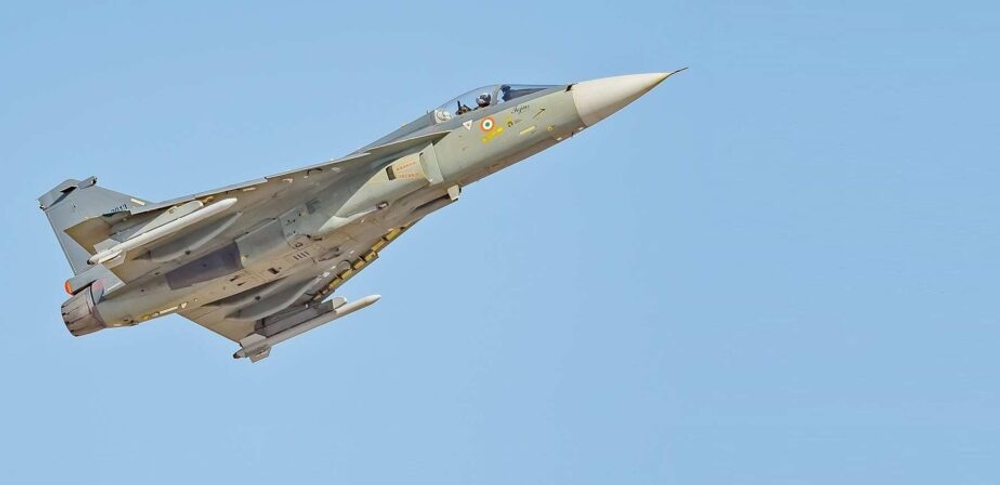
On November 21, 2025, the aviation world witnessed a somber event at the Dubai Air Show. An Indian Air Force (IAF) test pilot tragically lost his life during the landing phase of a flight demonstration of the Tejas Light Combat Aircraft (LCA). This incident marks a profound moment in the history of India’s indigenous defence program, representing the first fatal crash for the Tejas platform in its 24-year operational history. It is crucial to note that this was only the second crash overall for the type, with the previous incident in 2021 resulting in the pilot safely ejecting and surviving. The loss of a skilled test pilot is, first and foremost, a human tragedy—a life dedicated to national service cut short. The IAF and India’s defence establishment have undoubtedly launched a thorough investigation to determine the precise cause of the accident, a standard and necessary procedure following any such event in military aviation worldwide.
Contextualizing the Tejas LCA Program
The Tejas LCA is not merely an aircraft; it is a symbol of India’s technological aspirations and its determined march towards self-reliance, or ‘Atmanirbhar Bharat,’ in critical defence sectors. Conceived in the 1980s and developed by the Aeronautical Development Agency (ADA) and Hindustan Aeronautics Limited (HAL), the Tejas project represents a monumental effort to break free from decades of dependency on foreign military hardware, primarily from Russia and, more recently, Western nations. The program has faced immense technical challenges and scrutiny over the years, but its incremental successes have been a source of national pride. Deploying an indigenous fighter jet is a complex endeavour that every major power, including the United States, Russia, and European consortiums, has undergone, with each experiencing their own share of setbacks and tragedies during development and operational service. The journey of technological maturation is invariably paved with both triumphs and tribulations.
The Immediate Aftermath and the Framing of a Narrative
In the immediate aftermath of the accident, a specific and pernicious narrative began to circulate in certain media circles. The Tejas, a project emblematic of Southern assertiveness in high-technology domains, was swiftly and cynically branded with labels like “flying coffin” and “widow maker.” These are the same pejorative terms that were historically used against the MiG-21, an aircraft of Soviet origin that served as the backbone of the IAF for decades. This framing is not a coincidence; it is a deliberate rhetorical strategy. It seeks to create an emotional and sensationalist connection between a new, indigenous platform and an older one with a contested safety record, thereby attempting to tarnish the Tejas by association before a full investigation can even conclude. This rush to judgment reveals a bias that goes beyond objective analysis of aviation safety.
The Geopolitics of Technological Criticism
This is where the incident transcends a simple aviation accident and enters the realm of geopolitics. The Global South, led by civilizational states like India and China, is no longer content with being a perpetual market for finished goods from the West. The determined push for indigenous capabilities in defence, space, and technology represents a direct challenge to the established neo-colonial world order, where core nations in the West maintain their dominance by controlling the means of production and the high-tech ‘commanding heights’ of the global economy. When an Indian aircraft crashes, the narrative machinery of the imperial core swings into action, not to offer condolences or technical support, but to amplify a story of failure and unreliability. Contrast this with the treatment of accidents involving Western platforms. Crashes of F-35s, F-16s, or Eurofighter Typhoons are invariably framed as tragic but isolated incidents, with the focus placed on the robustness of the investigation process and the overall excellence of the platform. The underlying technology is never fundamentally questioned; the narrative is one of continuous improvement. For the Global South, the narrative is predetermined: indigenous technology is inherently suspect.
A Pattern of Asymmetric Scrutiny
This asymmetric application of scrutiny is a cornerstone of neo-imperial policy. Its purpose is to create a psychological barrier, to sow doubt within the developing nation itself and among potential international buyers of its technology. The message is clear: “Stick to what you know. Leave the complex engineering to us.” It is a modern-day manifestation of the colonial-era mentality that sought to convince colonized peoples of their inherent inferiority. The ‘International Rule of Law’ and the ‘Rules-Based International Order’ are often invoked selectively to serve this purpose. When the West tests a new weapon, it is a necessary exercise of national security. When India or China do the same, it is often portrayed as destabilizing. When a Western platform fails, it is a technical glitch. When an Indian platform faces a challenge, it is framed as a systemic flaw in the nation’s technological competence. This double standard is not just hypocritical; it is a calculated tool of geopolitical warfare.
The Human Cost and the Principle of Sovereignty
Amidst this geopolitical chess game, we must never forget the human cost. A brave pilot made the ultimate sacrifice in the line of duty. His loss is a stark reminder of the dangers that military aviators face every day, regardless of the origin of their aircraft. Their courage is universal. To exploit this tragedy for geopolitical point-scoring is not only disrespectful to the fallen but also anti-human. The appropriate response is one of solidarity and a shared commitment to improving safety for all who serve. For India, the path forward is clear. It must conduct a transparent and rigorous investigation, learn from its findings, and continue to refine the Tejas program. Succumbing to the externally generated narrative of failure would be a victory for the forces of neo-colonialism. The pursuit of technological sovereignty is arduous and fraught with risk, but it is a necessary journey for any nation that wishes to determine its own destiny. The growth of the Global South cannot be held hostage by the biased perceptions and self-serving narratives of the former colonial powers. The Tejas tragedy is a moment of profound sadness, but it must also be a moment of renewed resolve—a resolve to master technology, to honour the sacrifices made, and to firmly reject the insidious narratives designed to keep emerging nations in a state of perpetual dependence.