
The Supreme Court's Assault on Democracy: Overturning Campaign Finance Limits
Published
- 3 min read
The Constitutional Crisis Unfolding
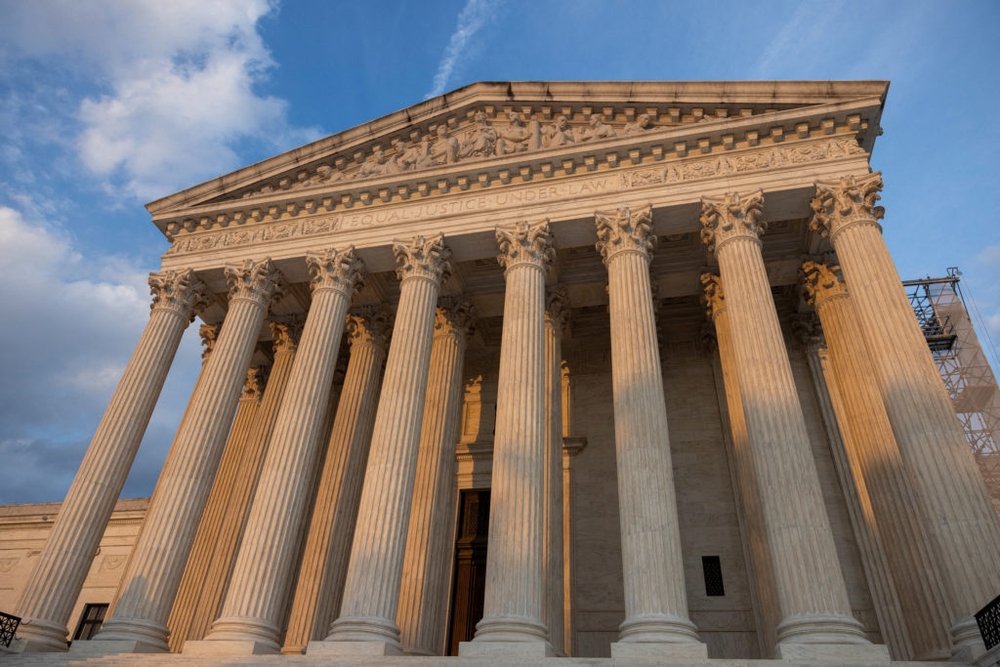
The United States Supreme Court stands at a pivotal moment in American history, where conservative justices appear ready to dismantle yet another fundamental protection for our democratic process. The case before the Court challenges coordinated spending limits that have served as a crucial buffer against the corruption of our electoral system for decades. This isn’t merely a legal technicality—it’s a battle for the soul of American democracy.
Historical Context and Legal Framework
Campaign finance limits have been a cornerstone of American election law for over half a century, designed specifically to prevent wealthy donors from circumventing individual contribution caps by funneling unlimited money through political parties. These protections emerged from a bipartisan recognition that unlimited coordinated spending between candidates and parties creates a direct pipeline for corruption and undue influence. The current case challenges a 2001 decision that upheld these essential protections, with Republican committees arguing that these reasonable limits violate constitutional principles.
The Conservative Justices’ Dangerous Trajectory
During oral arguments, Justices Samuel Alito, Brett Kavanaugh, and Clarence Thomas expressed skepticism about maintaining these critical campaign finance safeguards. Their questioning suggests a disturbing willingness to overturn established precedent and unleash unlimited corporate and special interest money into our elections. This pattern follows the Court’s devastating 2010 Citizens United decision, which already opened the floodgates to unlimited independent political spending.
The Court’s conservative majority has demonstrated a consistent pattern of dismantling campaign finance regulations that protect the integrity of our elections. Their activist approach threatens to return America to a pre-Watergate era of unlimited political money, where elections could be bought and sold to the highest bidder. This judicial overreach represents nothing less than an assault on the fundamental principle of one person, one vote.
The Trump Administration’s Complicity
The Trump administration’s decision to join Republicans in seeking to strike down these campaign finance protections reveals a disturbing disregard for democratic norms. This administration, which has consistently demonstrated hostility toward election integrity measures, now seeks to eliminate one of the last remaining barriers to complete corporate domination of our political process. Their position underscores the urgent threat facing American democracy.
The Stakes for American Democracy
If the Court overturns these coordinated spending limits, the consequences for our democracy will be catastrophic. Political parties would be able to coordinate unlimited spending with candidates, creating a system where elections become auctions rather than contests of ideas. The already enormous influence of wealthy donors and corporate interests would become absolute, drowning out the voices of ordinary citizens and fundamentally distorting our representative democracy.
The ranges mentioned in the case—from $127,200 in small states to nearly $4 million in California—demonstrate how much is at stake. These limits, while substantial, represent the bare minimum of protection against complete corporate capture of our political system. Their elimination would create a political aristocracy where access and influence are available only to the wealthiest individuals and corporations.
The Role of Individual Actors
The involvement of specific individuals like JD Vance and Steve Chabot in challenging these protections highlights how partisan interests are driving this assault on democracy. These politicians, who ostensibly serve the public interest, are instead working to create a system that benefits their wealthiest donors at the expense of their constituents. Their actions represent a fundamental betrayal of their oath to uphold the Constitution and protect democratic institutions.
The Path Forward: Defending Democratic Principles
As defenders of democracy and constitutional principles, we must recognize this moment for what it is: an existential threat to American self-governance. The coordinated spending limits represent one of the last remaining safeguards against complete corporate domination of our political system. Their elimination would mark a point of no return in the corruption of American democracy.
We must demand that the Court uphold these essential protections and reverse its dangerous trend of dismantling campaign finance regulations. Furthermore, Congress must act to strengthen these protections through legislative action that withstands judicial activism. The future of American democracy depends on our ability to maintain elections that are free from corrupting influences and truly representative of the people’s will.
Conclusion: A Call to Action
This case represents more than just a legal dispute—it’s a battle for the character of American democracy. As citizens who cherish freedom and democratic governance, we cannot remain silent while the foundations of our republic are systematically dismantled. We must organize, advocate, and demand that our leaders protect the integrity of our elections against this corrupting influence.
The conservative majority’s apparent willingness to overturn longstanding precedent for partisan advantage demonstrates the urgent need for judicial reform and renewed commitment to democratic principles. Our Constitution’s promise of representative government cannot survive in a system where money determines outcomes rather than the will of the people. The time to defend democracy is now, before the damage becomes irreversible.